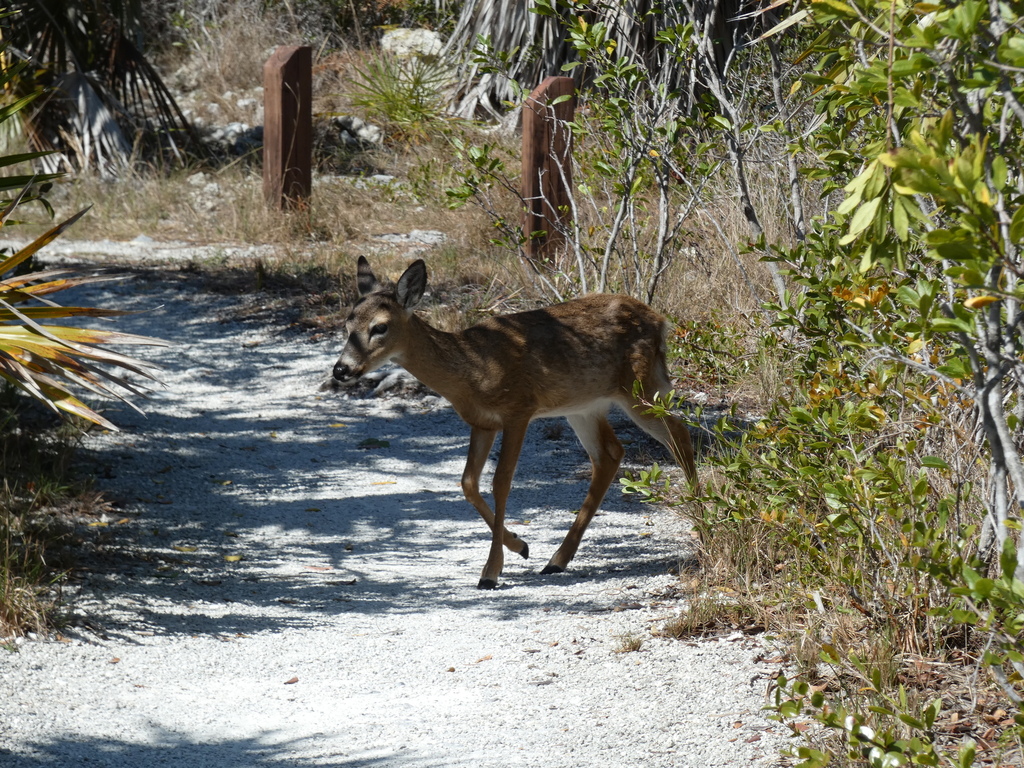
If you didn’t know the Florida Everglades National Park is flat. It also not a swamp. The water is mostly fresh water flowing out of Lake Okeechobee. The water flows slowly washing vast tracks of flat land in water. This gives rise to a unique ecosystem. The agricultural system saw this a wasted land and through a series of levees and dikes proceeded to carve this vibrant eco system in a tracts of land suitable for sugar cane and a variety of other crops. As early as the 1920s, voices like Earnest Coe and later in the 40s Marjory Stoneman Douglas became stalwart advocates of preserving this unique environment for generations to come. Additionally, it is also a UNESCO world heritage site (Click Here).
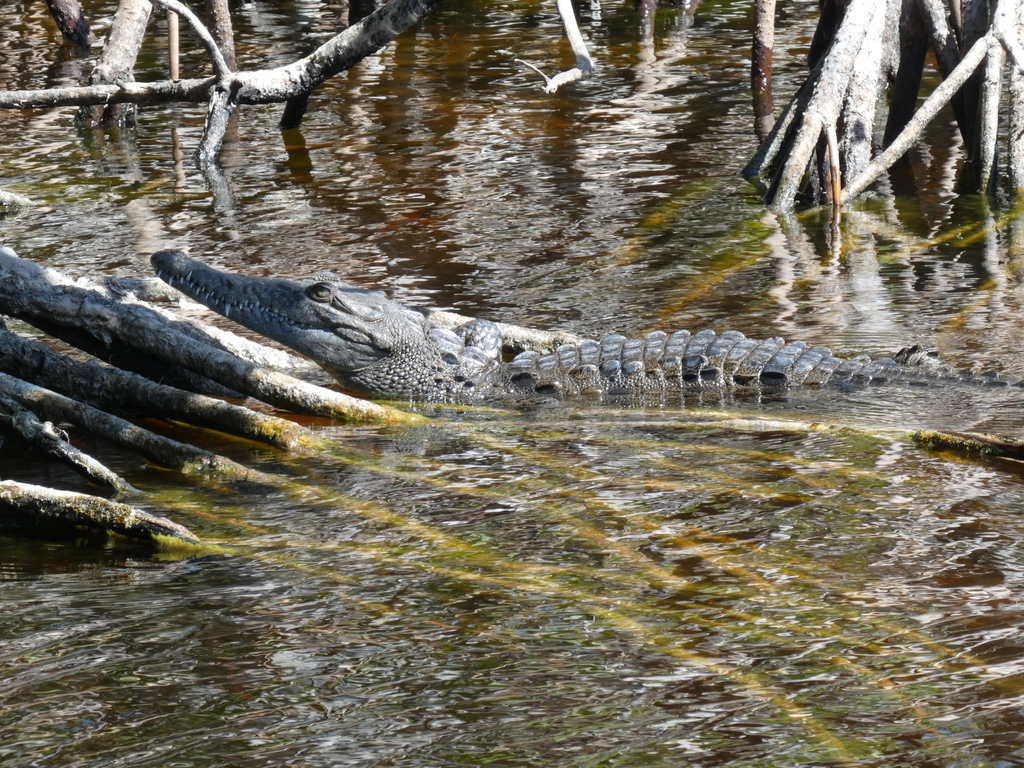
At the north end of the park is Shark Valley. Get there early because we started when they opened and were still car 40 to enter. This 15 mile leisurely bike ride though saw grass and canals to an observation tower and back features lots of alligators, turtles, fish, and birdlife (even though it was a drought). Why shark valley? Well interestingly enough it is the headwaters for the shark river slough, where several live-birth rearing sharks to give birth – such as the Bull Shark.
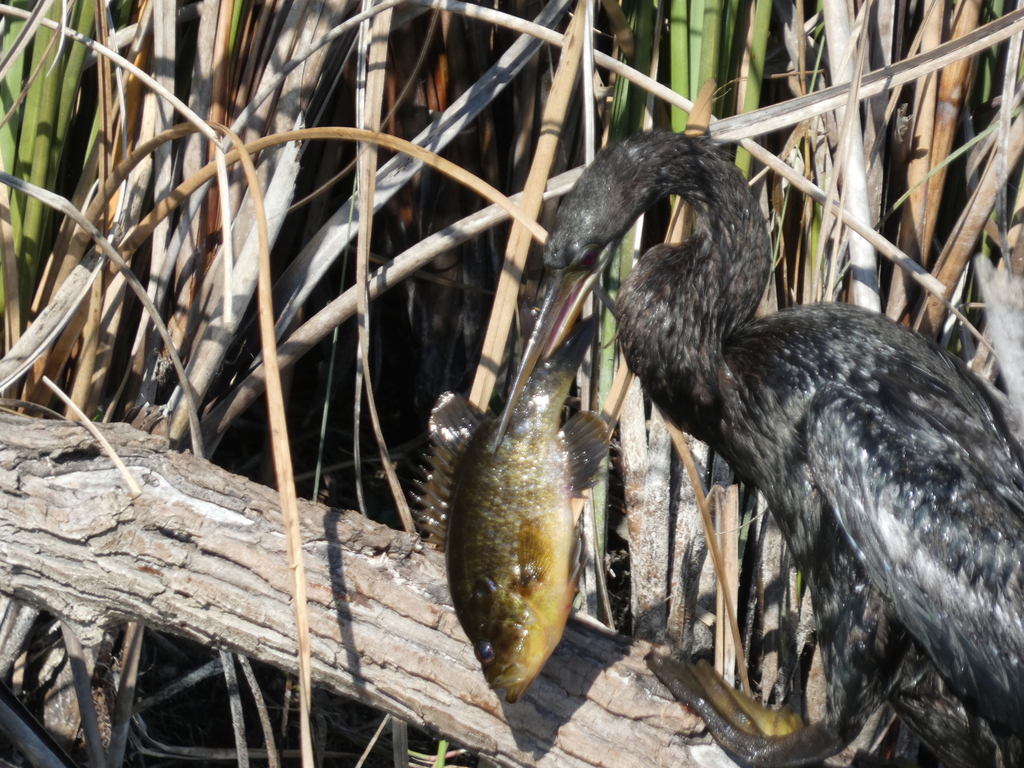
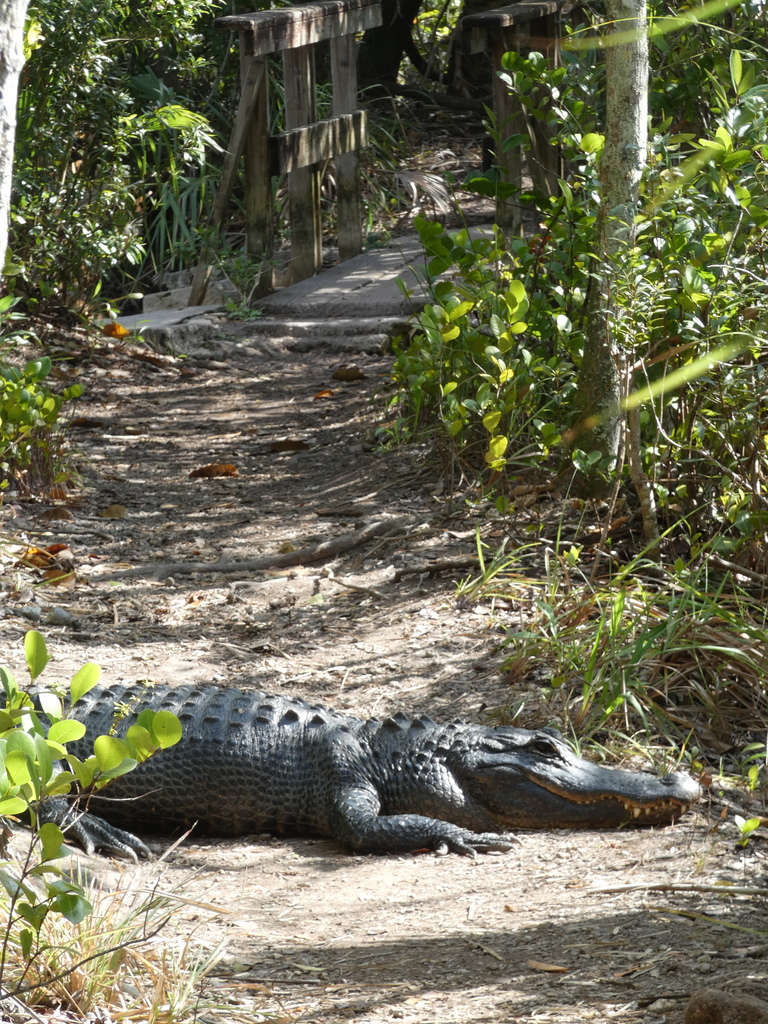
An Airboat Ride
There are multiple air boat operators in the everglades we opted for Buffalo-Tiger operators run by the Miccosukee People. With giant ear phones one they sped through the shallow water for 30-40 minutes and got much closer to some of the wildlife than I would have thought.
The southern everglades
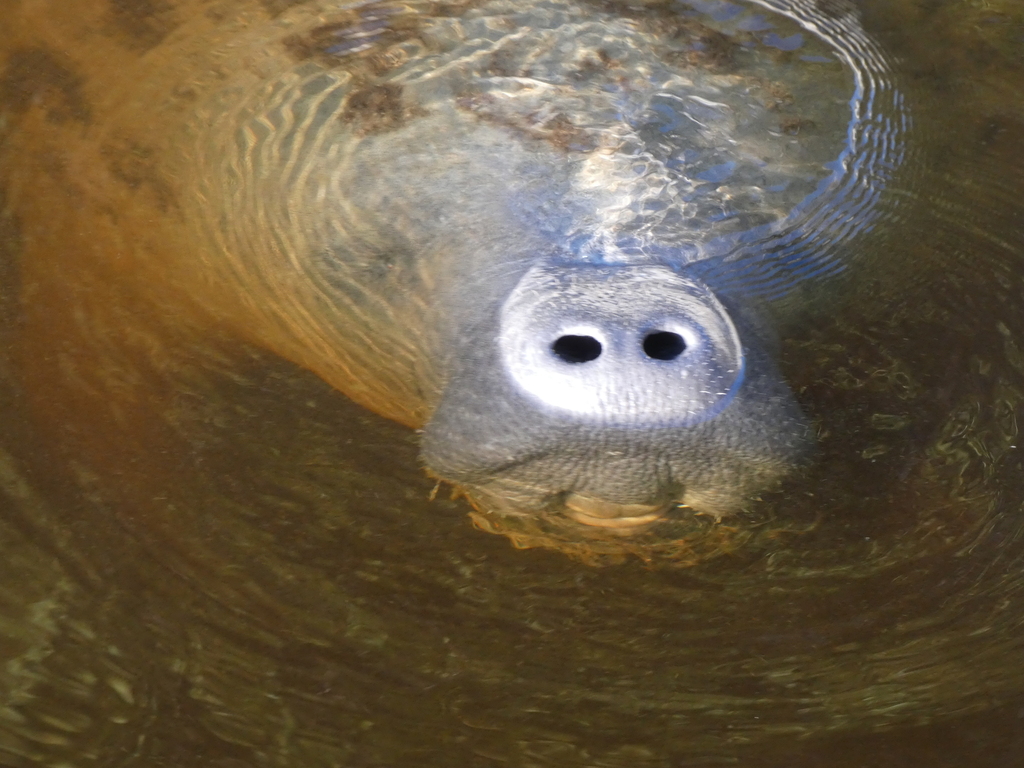
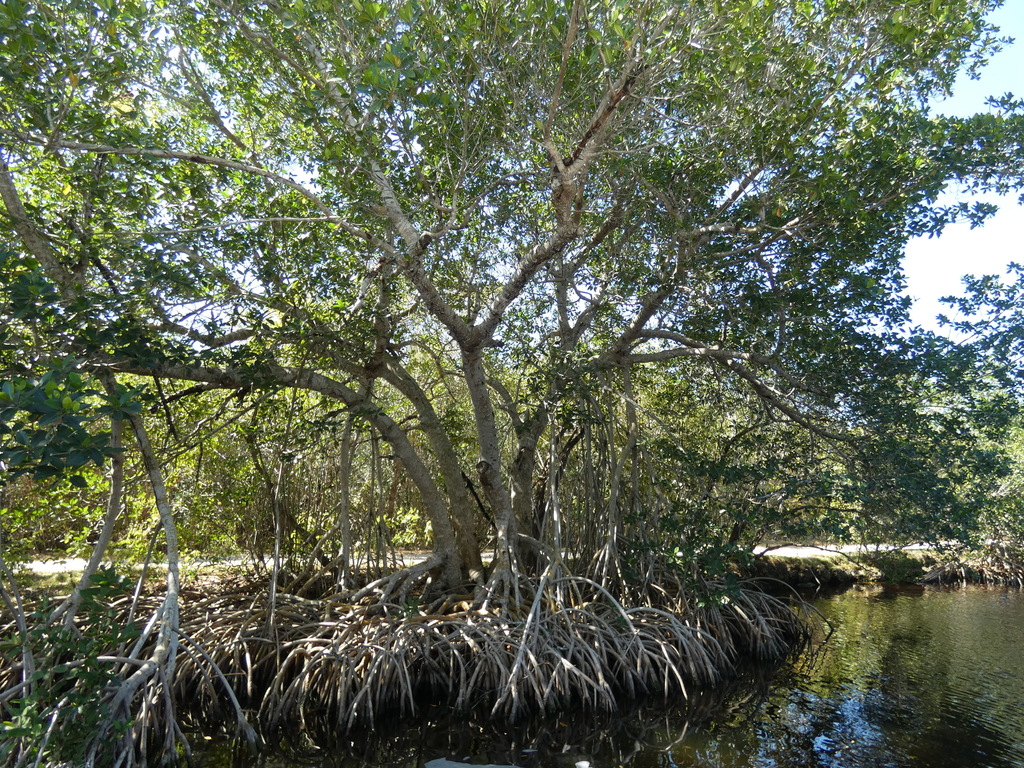
There was far more variety to see there than I thought. In the harbor we saw manatees and dolphins in the harbor, flora and fauna during a canal-way boat tour through the largest contiguous red-mangrove forest in the western hemisphere. We even enjoyed a brief hike on the coastal praire and to a hammock. (Hammocks are small rises in the land that allow quite a bit of trees and shrubs grow, that cannot make it in the flat marshes. )
Some Keys
Like a string of pearls, the keys extend linked by a single highway. Each islands has beaches, mangroves, and
One of the highlights came on Big Pine Key. In the 1950s, this subspecies of deer was down to 25 individuals and it was named to the Endangered Species List with the follow-on establishment of the Key Deer National Wildlife Refuge. Through the efforts conservation, the population is now between 700-800. Ironically, climate change and rising sea levels have put a new question to conservationists. The key deer only exist here in this part of the world. Big pine key is about 4 feet above sea level. Just a few feet of sea level rise means their entire habitat will disappear. Where then will the deer go? (PBS Story here)