Well not really all the 700 islands that make up the Bahamas….just two: Nassau and Andros.
Nassau
Nassau the capital was crowded. With a population 250,000 it represents more than half of the total Bahamian populations. At 80 square miles, this puts Nassau’s density about 3125 per square mile, which is pretty dense. That said there were pockets of greenery and a mix of old and new. Many Cruise ships dock in Nassau, which means there are quite a few industries that support the giant tourist influx. We had two goals: Explore the island and scuba dive with sharks.
The fish fry in Nassau sports quite a few eateries all highlighting “conch” and other fish delicasies. Most food is fried, but the portions were very generous!
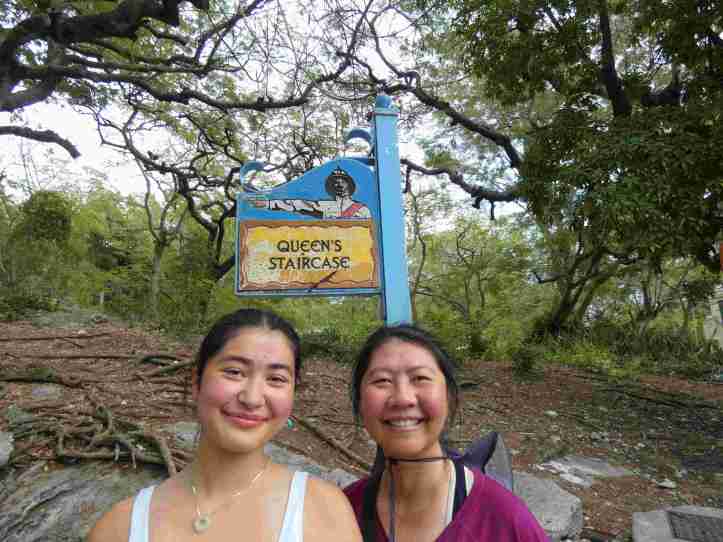
Walking from there we hit the Queen’s staircase. Although quite a few cruise passengers and tour groups walked up and down and jockeyed for their photo moment on the steps. The stairs were carved out of limestone by slaves in the late 1700s to provide a direct route from the city and port to the fort. It was renamed to honor Queen Victoria. The plaque says is a powerful symbol of resilience of the Bahamanian people.
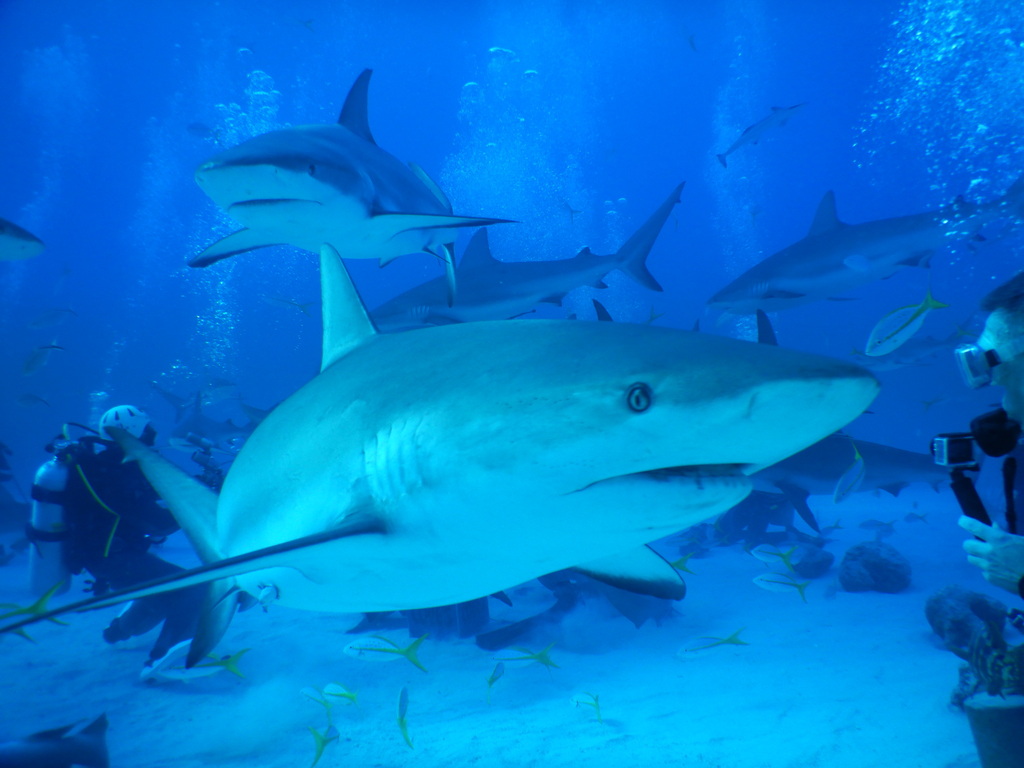
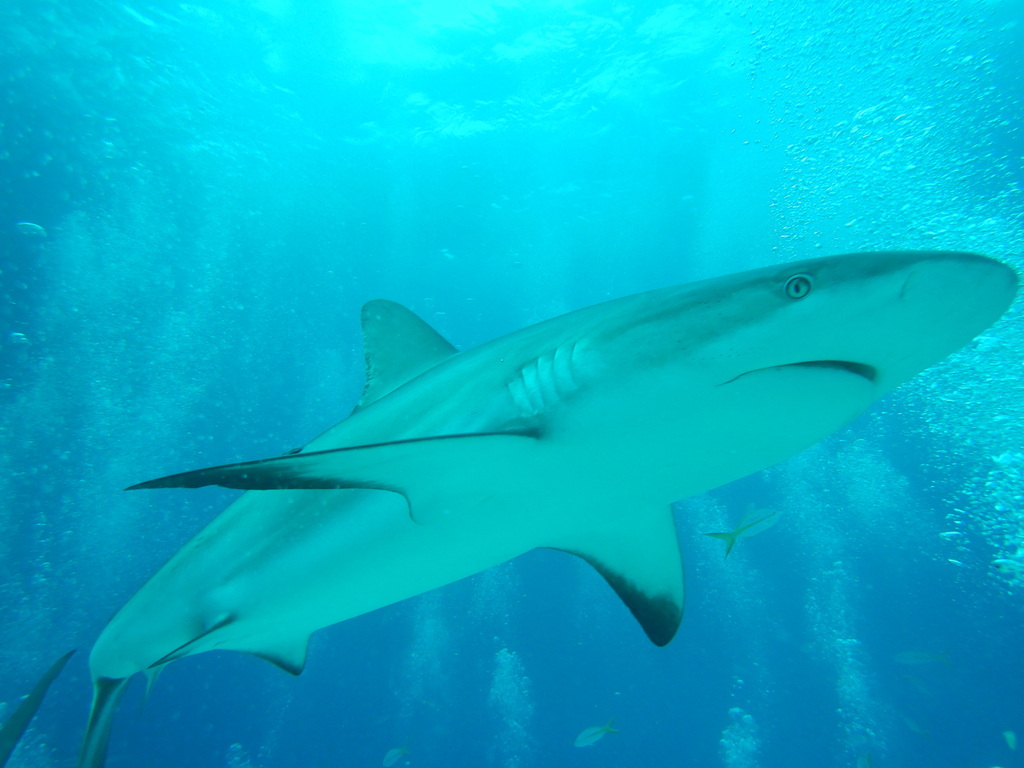
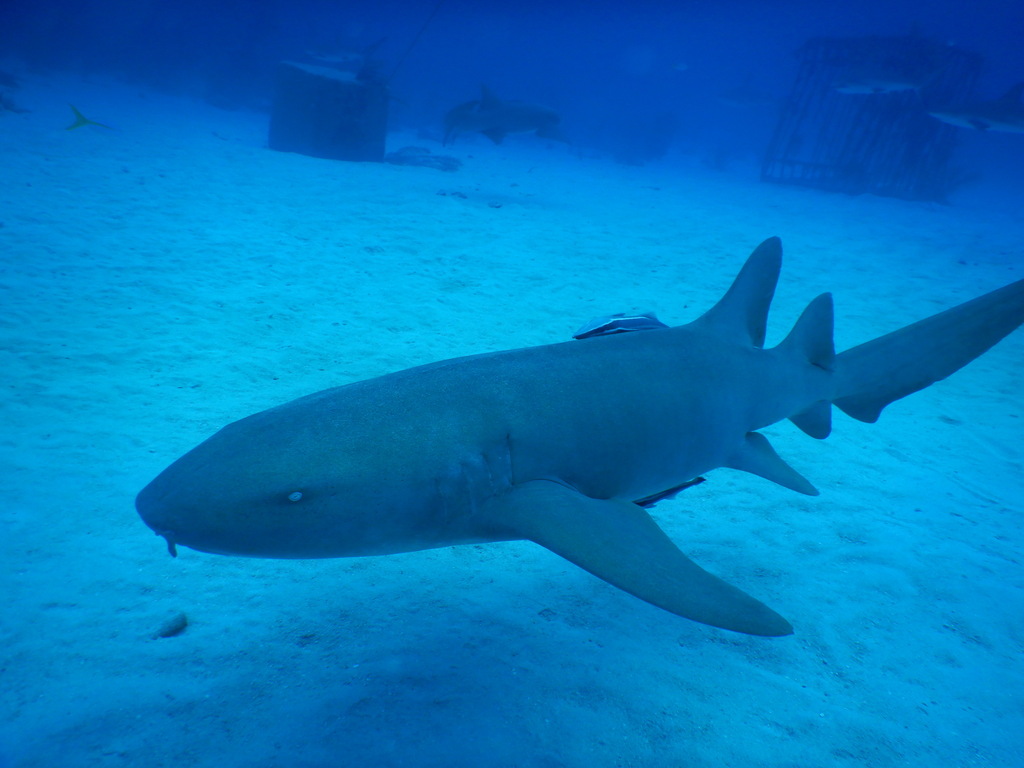
Scuba diving with sharks provided one of the most unique and experiences. We had to take a scuba course, and participate in two pre dives before the main event.
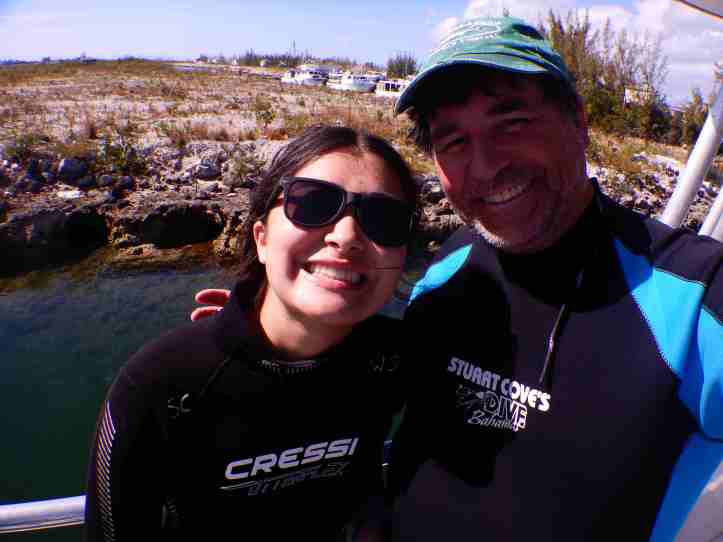
On the first dives highlighted several of the underwater sculptures created by Jason deCaires Taylor (Click Here). Several have been commissioned by Bahamas Reef Environment Educational Foundation using a pH-nuetral cement to help draw attention to and provide foundations for reefs.
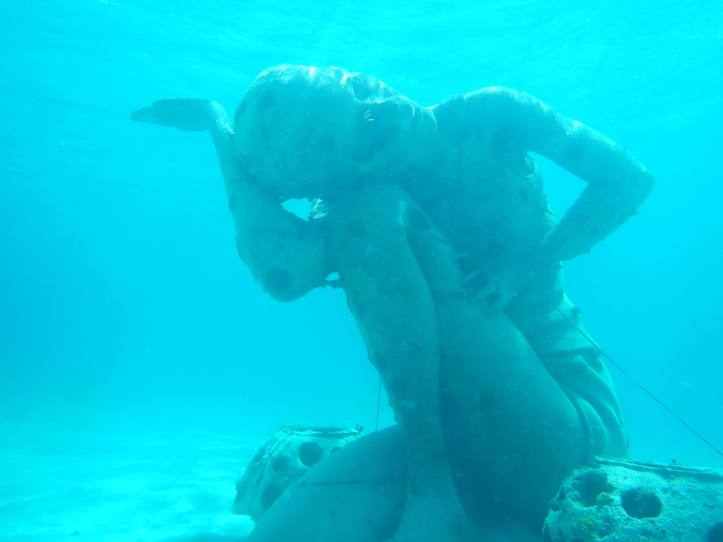
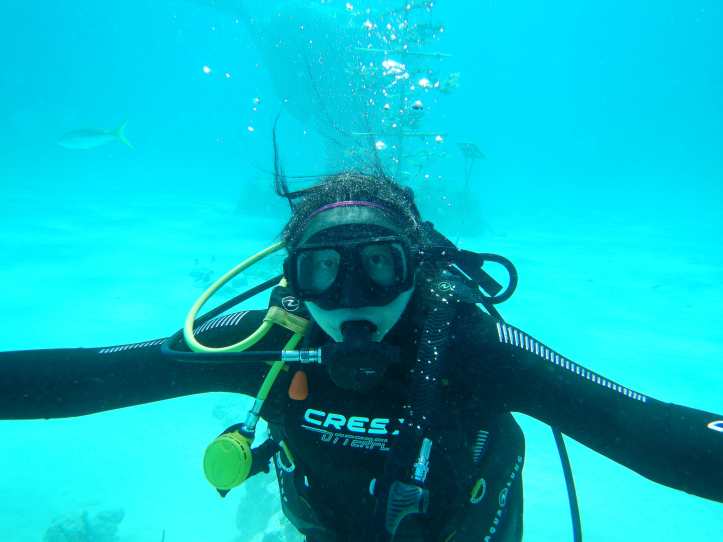
It truly was spectacular. Diving through the shipwreck was great, but watching the sharks in a feeding frenzy was like nothing we had witnessed. No hand waving. All limbs had to be kept close to the torso, and people had to be as still as possible.
Andros
Just a quick 15 minutes small plane ride dropped us in Andros Town – The largest of the Bahaman Islands. In contrast, to Nassau, it is 2300 square miles with a population of 8000, meaning a density of less than 1/4 of a person per square mile – So lots of elbow room here. Vast beaches, shorelines, and interior forests were the hallmark of this island.
We rented a car for the day and drove the the northern part of the island exploring the coastal communities and Blue Holes National park. Interestingly, there are over 700 blue holes on Andros. Blue holes started as a cave above ground during an ice age, then the roof collapses, the sea level rises, and viola a not so instant blue hole. As they are linked to cave systems, many divers explore the underwater cave structures. Also, they collect fresh water on top, but the deeper one goes, the water becomes salty. Where the two meet is a hostile environment for life, yet some extremophiles called halophiles live there are are studied by scientists who find life in the most inhospitable corners of the world. Some are small and some are not. Uncle Charlies, Rainbow, and Captain Bills blue holes. Two had platforms allowing adventurous souls to jump in, all had ropes to climb out. Even thought the water is cold, once in, it is refreshing and quite nice. The rainbow blue hole allowed for a fish pedicure as an added bonus.
The reef along Andros is the 3rd largest barrier reef in the world and offered some amazing snorkeling opportunities. But conchs were some of the most interesting things we found. Even though they are endangered in the coastal USA waters, in the Bahamas they are plentiful and tasty.
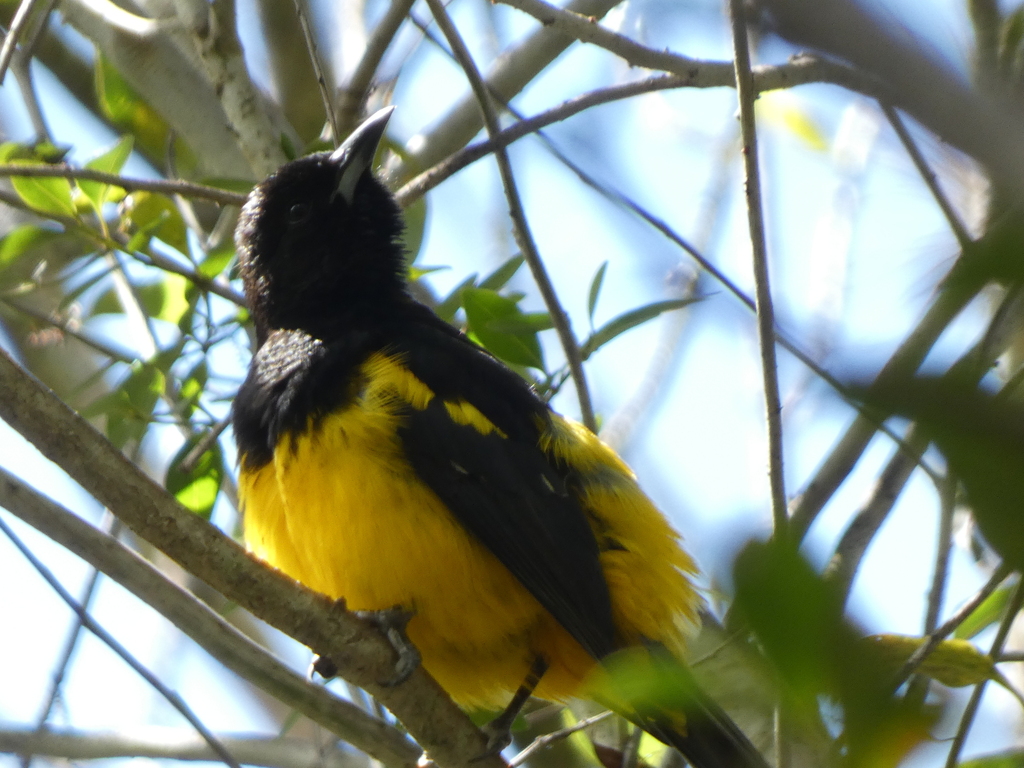
Seeing some of the endemic wildlife was also on the menu.
While they used to log Andros, commercial production as been greatly reduced. Although many of the old logging roads can be explored, the forest is returning.

