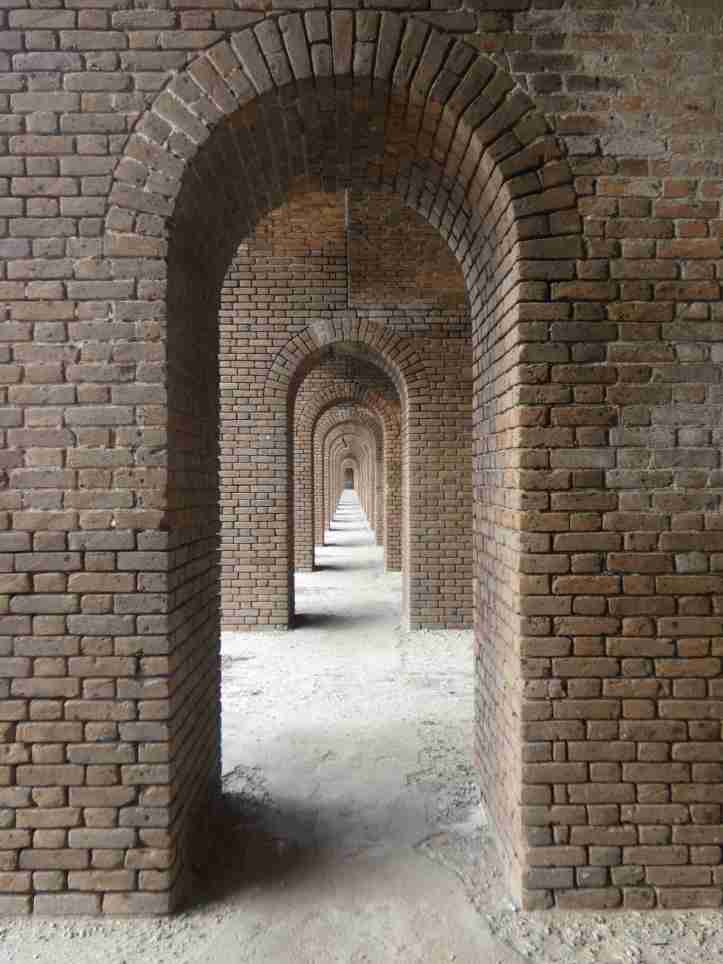
70 miles west of Key West on garden key the United States of America built it’s biggest fort ever – Fort Jefferson.To get there is a bit of an ordeal. Navigating Key West is no small feat. With no parking, high fees, and tourists everywhere, its far from the enclave community it used to be 30-40 years ago. From Key West, the Yankee Freedom shuttles people to the Dry Tortugas. Alternatively some people take seaplanes or private yacht hires, but on the Yankee Freedom you get to meet so many different people from across the USA. On the way out I sat with a retired guidance counselor and teacher from Michigan. On the way back I got to sit with hog farmers from Pennsylvania, and road trippers from Ohio. Although there were some kids on the trip, most were retired adults trying to check off their visit to one of the USA most remote National Parks.
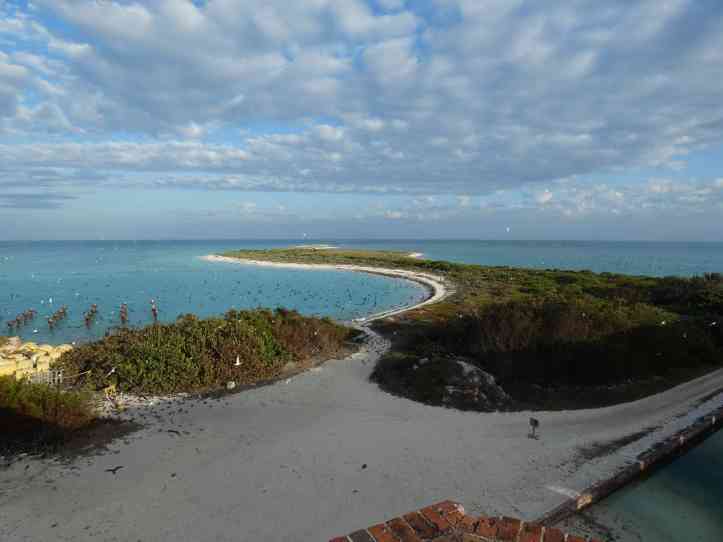
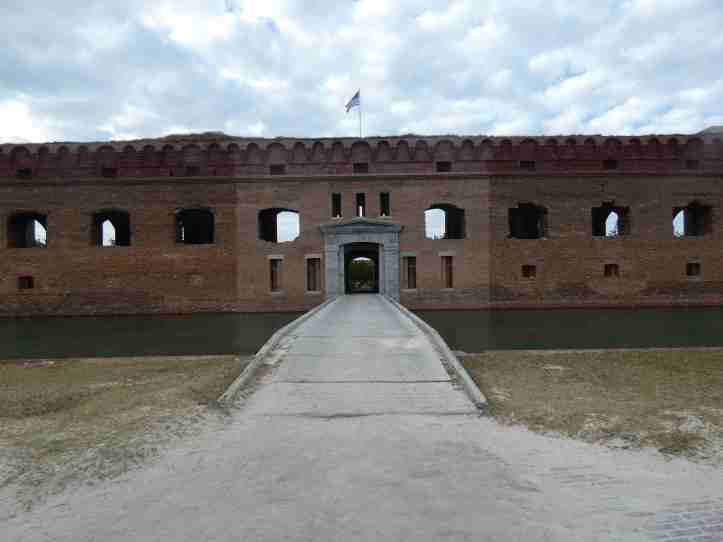
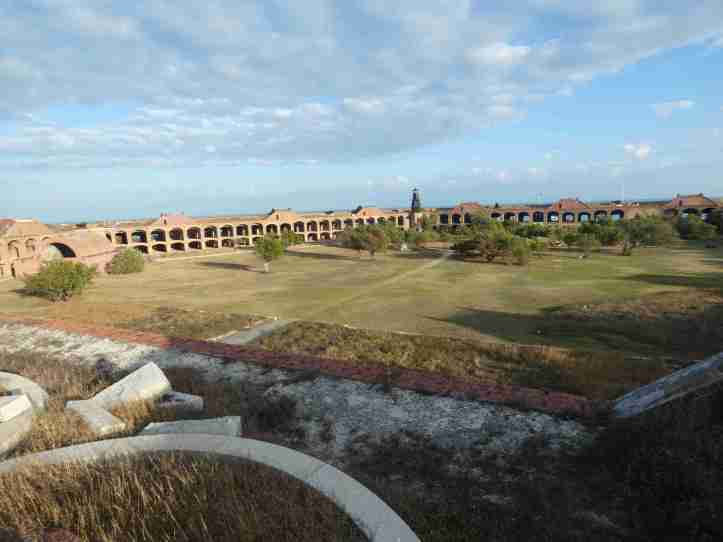
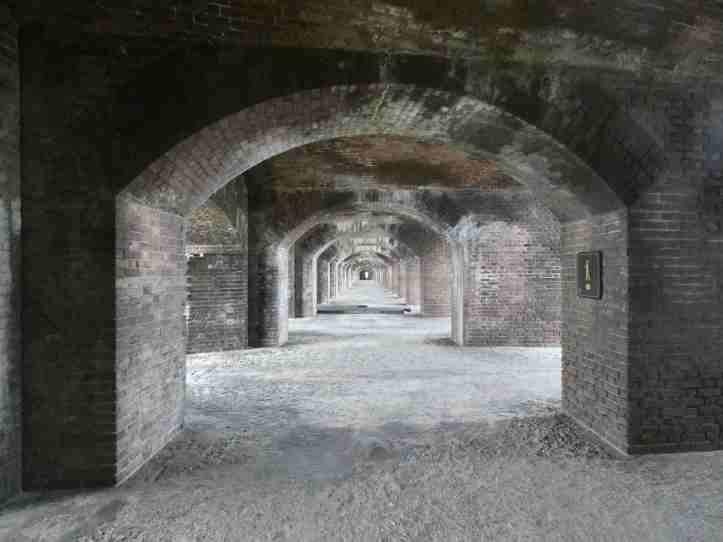
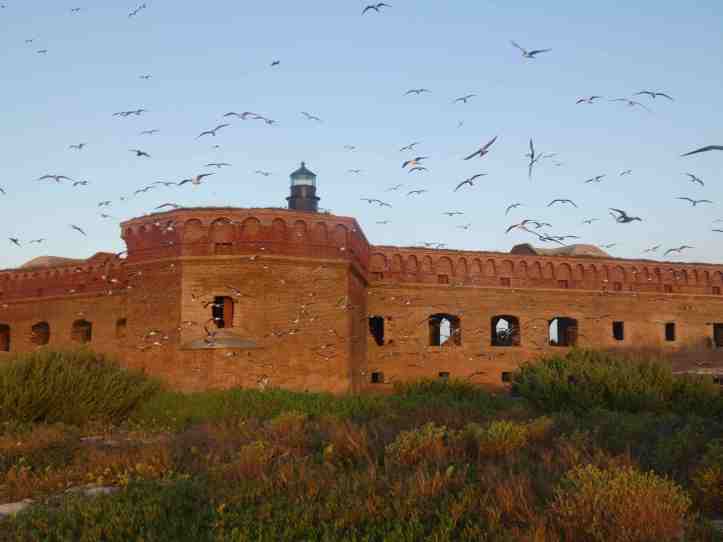
I had to get myself deep in the mindset of the people who built this place to understand why they build this massive fort with 400 cannons on a small island in the middle of the Gulf of Mexico. Trade was important and as the Louisiana purchase was new, quite a bit of trade was going through the gulf to the the new ports at the edge of the Mississippi river. They believed building a fort here, to supply ships, would ensure USA trade interests in the area. At one point 500 people lived on this 14 acre island. Bricks were shipped in (during the civil war, bricks were shipped in all the way from Main), 400 cannons, cannonballs, gunpowder, fresh water, and a great many slaves to dig the moat were all shipped in. I just could not understand it, why not just sail around or avoid the area. But I guess I’m not smart enough to understand the geopolitics of the 1800s. At any rate Fort Jefferson is massive.
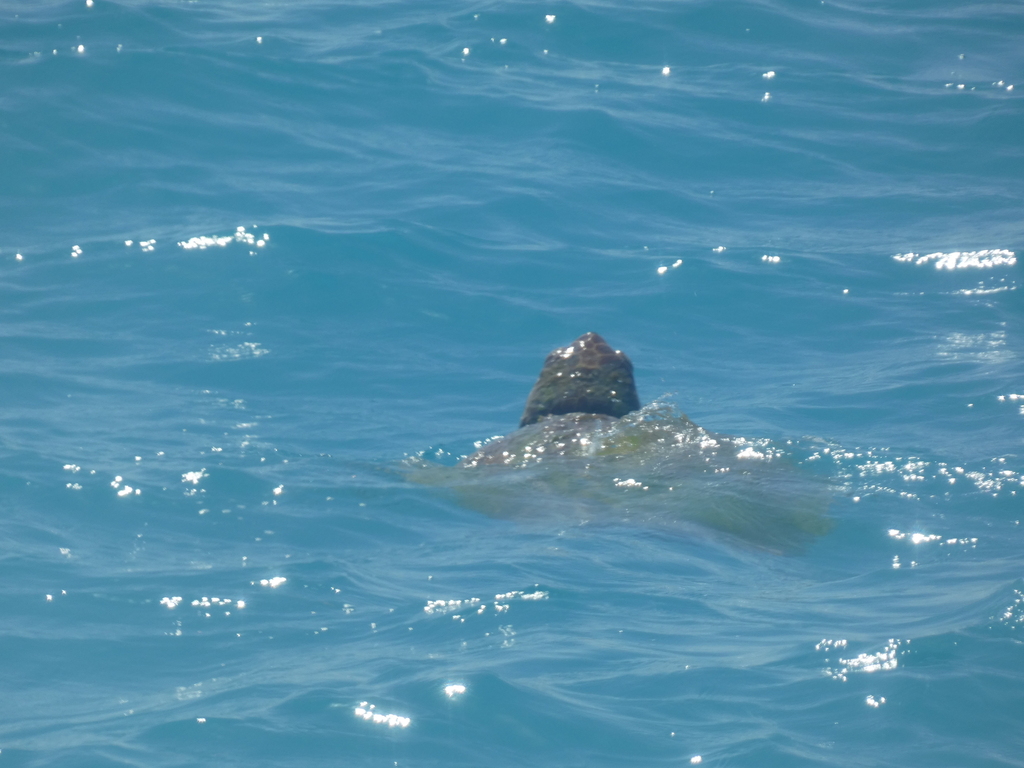
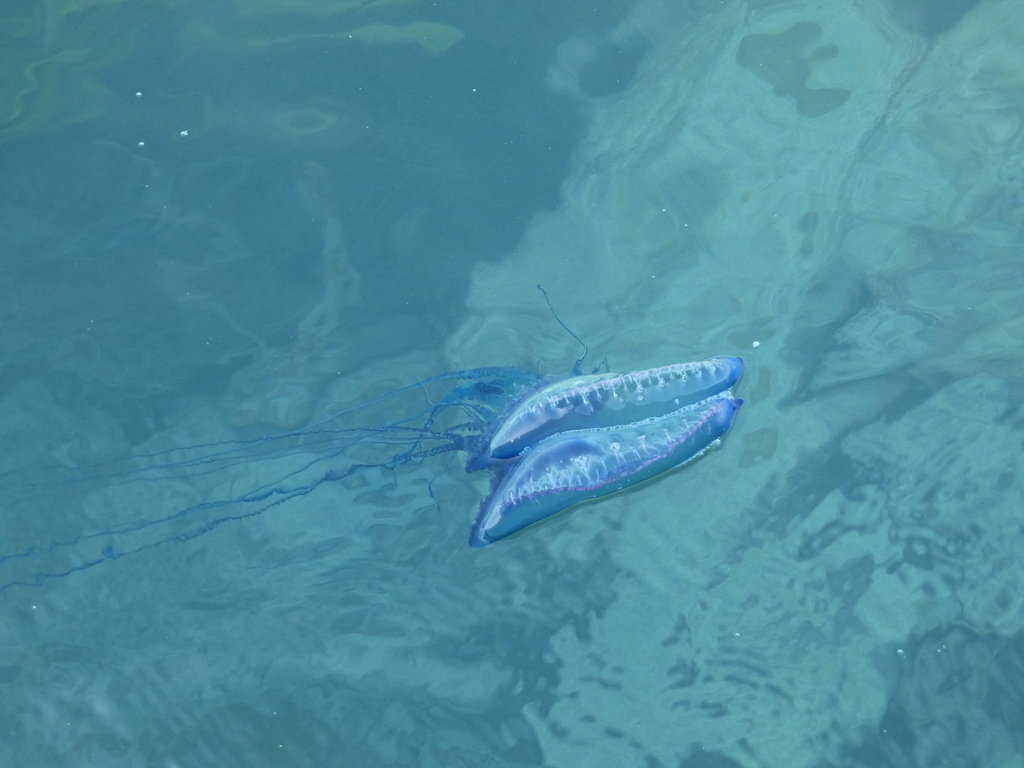
The original plan was to kayak to Loggerhead Island and camp there; however, the sea was rough and kayaking 3 miles in open ocean was a challenges I chose to forgo. However I did kayak all the way around Garden and Bush keys, all the way to long key seeing a loggerhead turtle, portugese man-o-ware and plenty of birds. Instead I ended up camping on garden key with about 8 other campers. I forgot my tent, so I camped under the stars. (Side note, when I mentioned this to the ranger the next morning he was surprised. He had never heard of anyone not bringing a tent: “Well you are pretty lucky, in a few weeks the mosquitos here would have eaten you alive.” I made it through with only some sand flea bites and spray kicked up by evening winds.
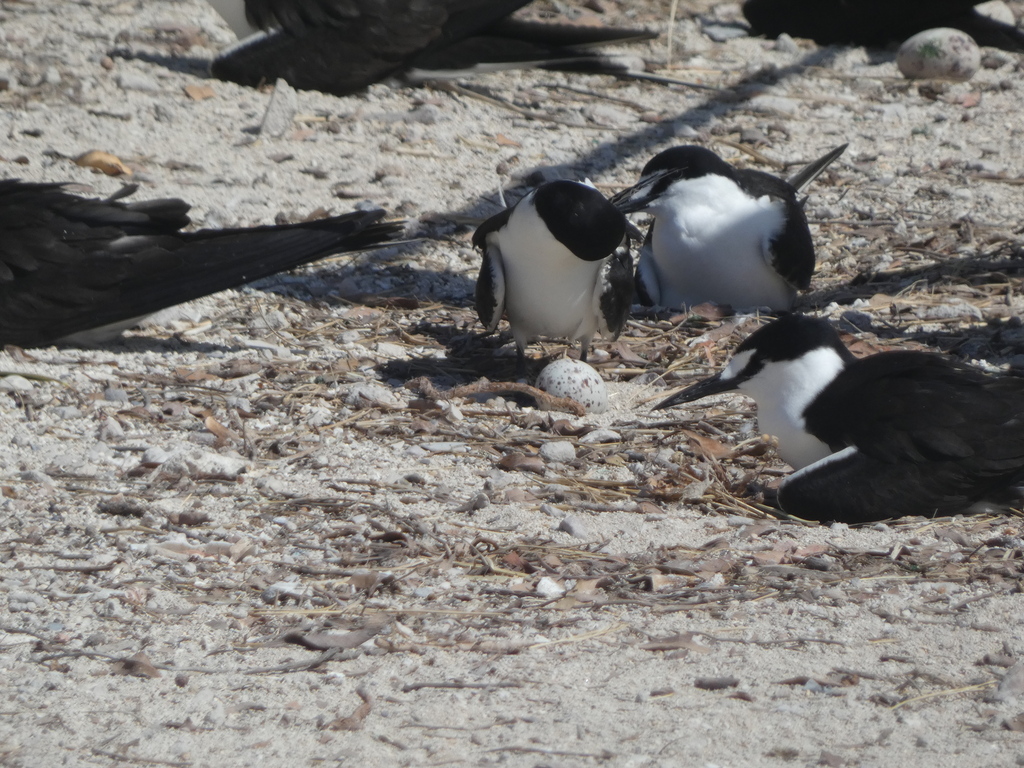
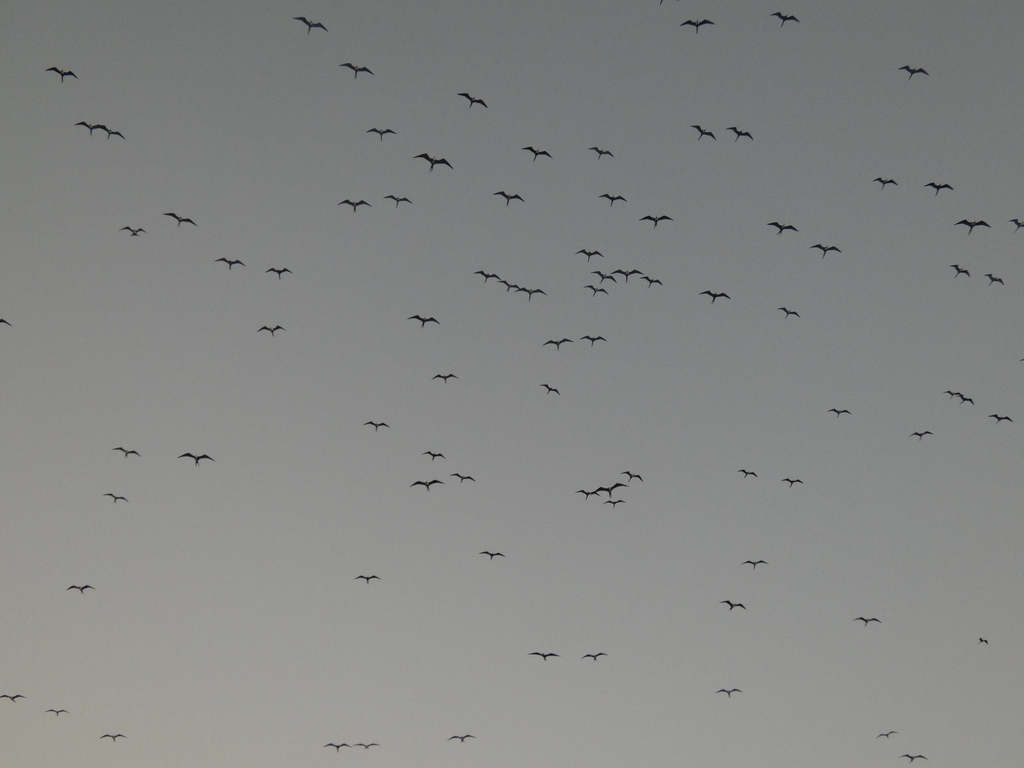
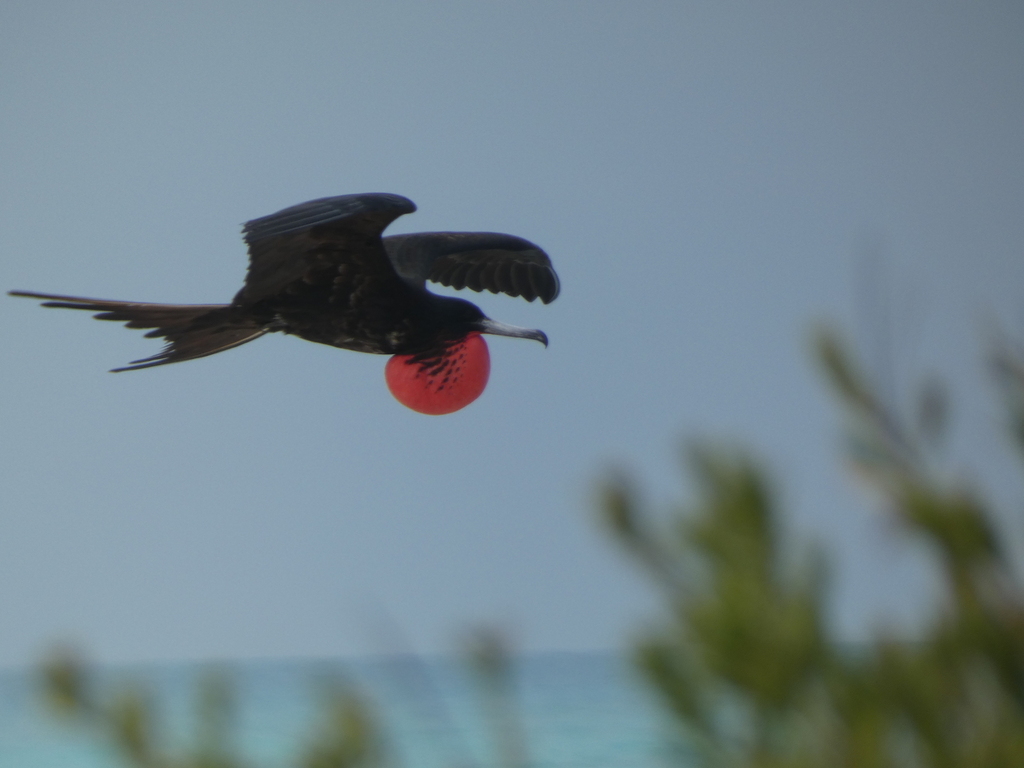
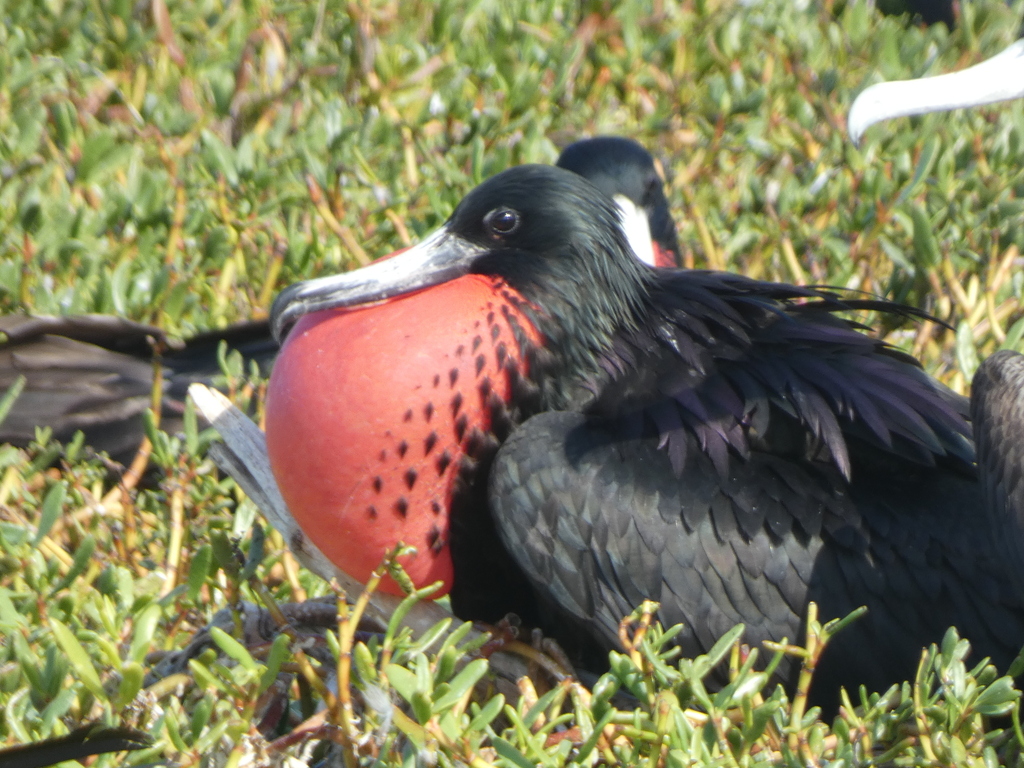
While the Dry Tortugas is mostly the marine sanctuary around the island, there is quite a bit of wildlife. It is the only nesting colony of frigate birds in the United States. In addition, there are thousands of sooty terns and noodies that nest here. So in early spring, the skies are dark with birds, and the air is thick with pelagic birds trying to find mates. While the frigate birds enjoyed a small colony at the end of Bush Key, the sooty terns were nesting right on the ground on edge of Garden key. The biologist said he counted 400 eggs on the morning I was there.
 Epic Odyssey