In the Sierra Madre Del Sur mountains above Oaxaca lies a great many Zapotec communities and the Benito Juarez National Park.
The Benito Juarez National Park
At about 8000 feet, the entrance lies at the beginning of Xtapi. A network of dirt road tracks allow people to explore. Many mountain bike, some camp, and some just walk. It is expansive and one day could be enough to get the gist, but more time is better. Set in a coniferous Pine, Oak, Fir forest, it chalk full of wildlife. The one species that draws a great many people to it is the Dwarf Jay. With about 5000 bird left in a this type of limited habitat, it is listed as endangered on the IUCN Redlist
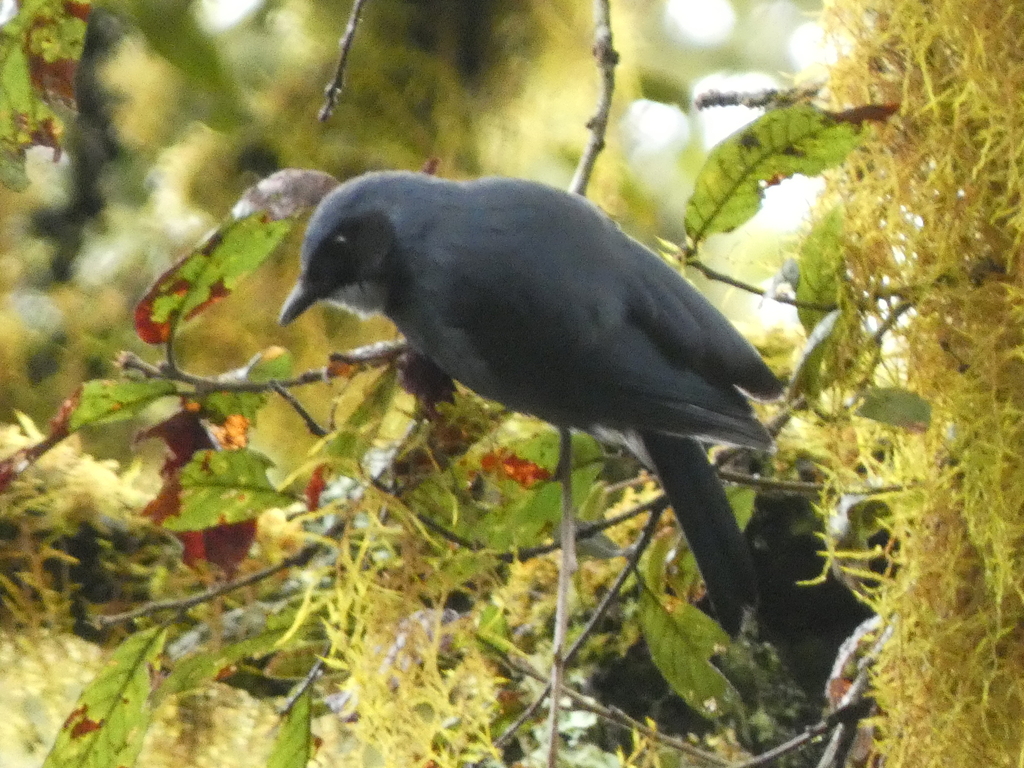
There are quite a few other endemic species in this forest.
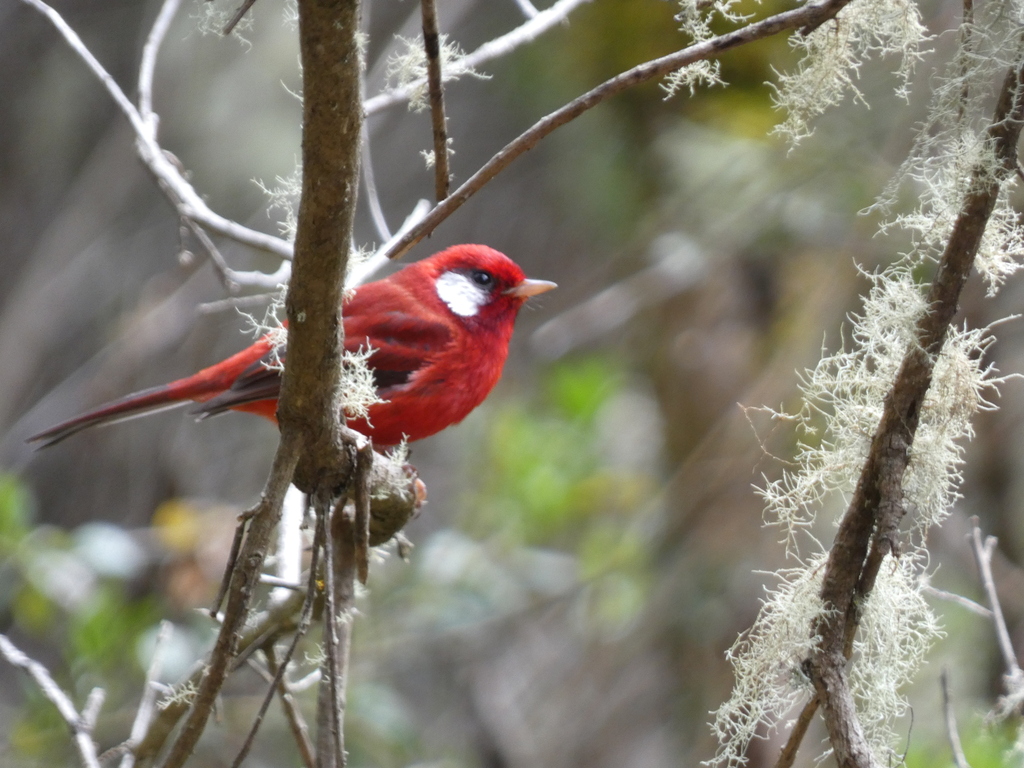
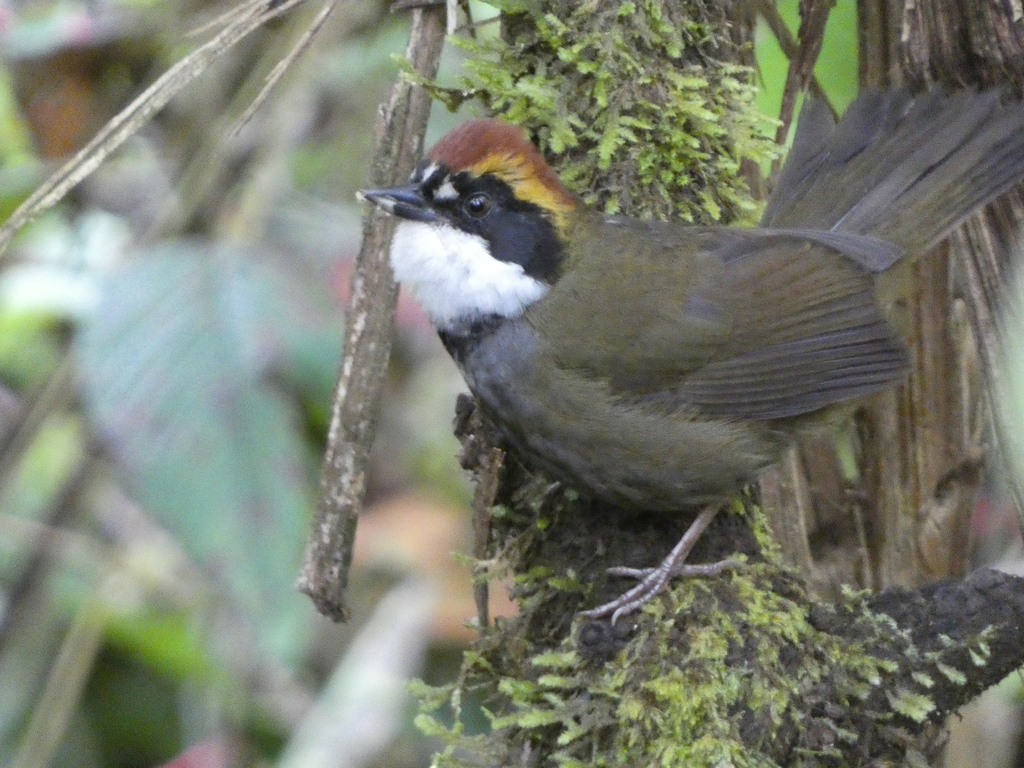
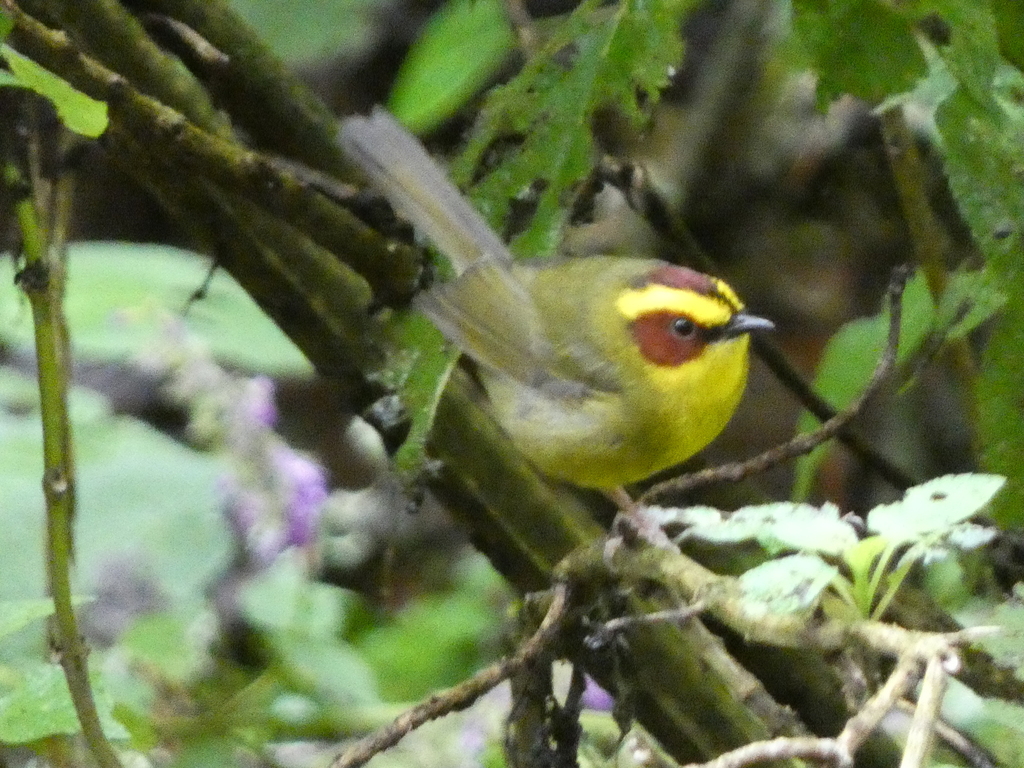
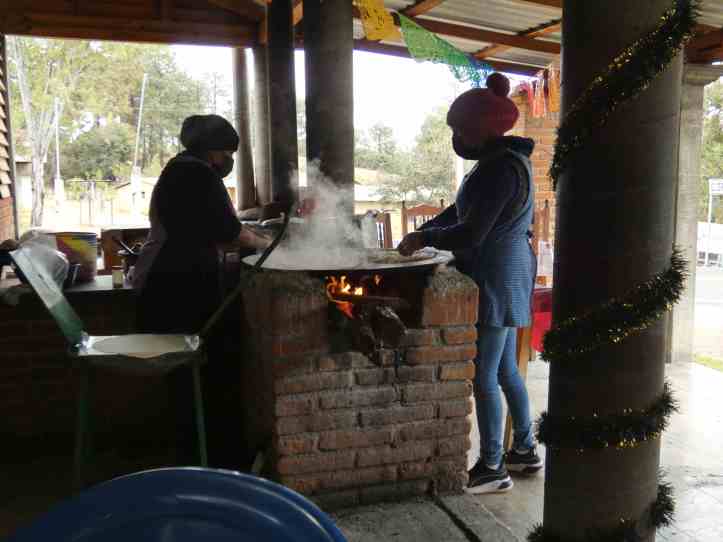
In addition to the visiting the National Park, a drive along Calle 175 will showcase many comeadors (eateries) and some beautiful mountain vistas. Along the road runs the a walkway that is over 40km long. People are welcome to walk and experience the mountains in a space between driving, and hiking dirt pathways. It was cold at the top, but fortunately there were several eateries (comedor).

Pueblos Mancomunados
Several of the communities of the Zapotecas have banded together forming a commonwealth for a common good. They successfully reversed government efforts to log the are and have been very successful in promoting ecotourism to showcase their natural wonders. It is not a national park and the people do use the forest. Small patches are cleared for farming, occasionally wood will be harvested, there is some livestock, and a several trout fisheries. But all of this is done in a sustainable nature. When trees fall from wind storms, people go to municipality to see who can cut the wood. There are fences for the livestock, but people walk freely through the forest over fence bridges. In fact along the way to the small community, signs would read: “This is the land of your ancestors, parents, brothers, and sisters” “Take care of nature if you want to live here.” “It is all for a common good.” In all there are 8 communities: Santa María Yavesía, Santa Catarina Lachatao, San Miguel Amatlán, Latuvi, Benito Juárez, San Antonio Cuajimoloyas, Llano Grande and La Nevería
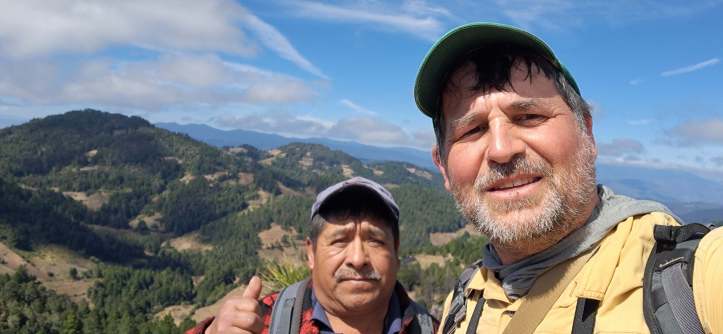
I visited the town of Cuajimoloyas. The entire hillside is a complex web of old logging roads, trails, and paths. Some of the roads are so old that ten year old trees are growing in the middle of them. There are hundreds of kilometers of trails. Some people just hike around and other like from town to town. Because of this complexity a guide is required, both for safety and to provide work and income as a piece of the ecotourism pie. My guide Thomas was amazing. At 63 he walked me in to the ground. He know every trail, path, stream, and tree stand. She shared local customs and introduced me to the different flora and fauna.
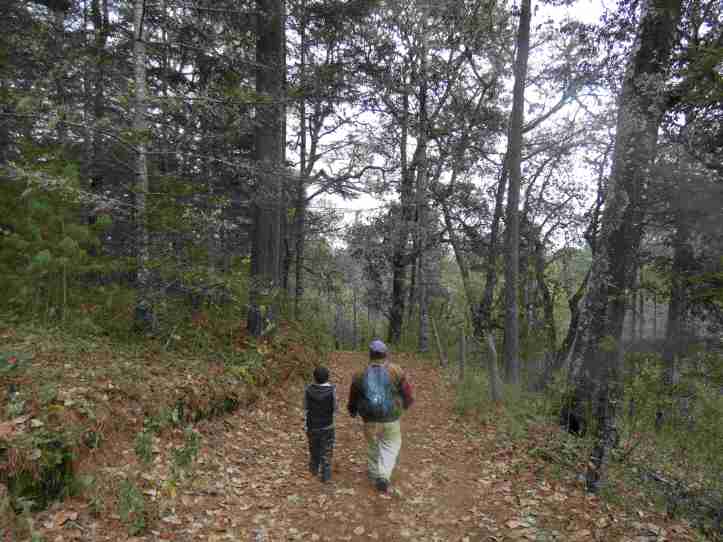
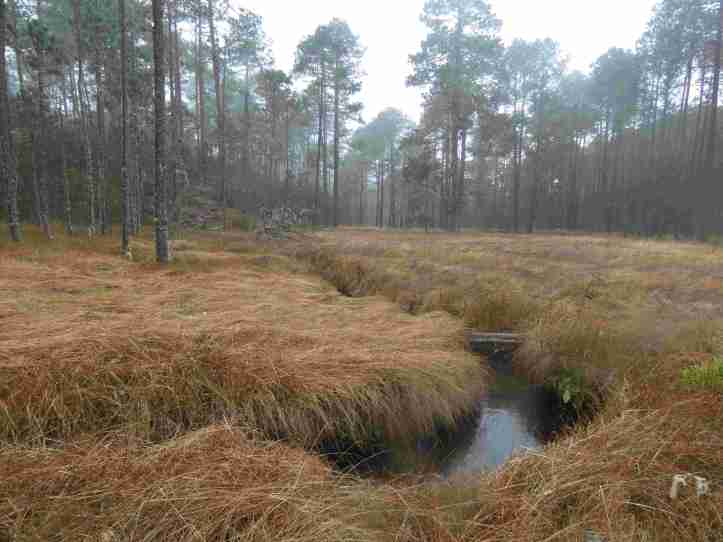
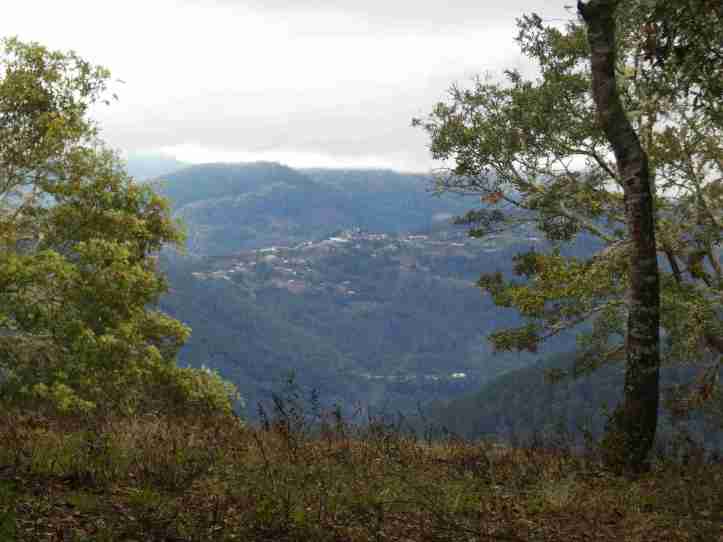
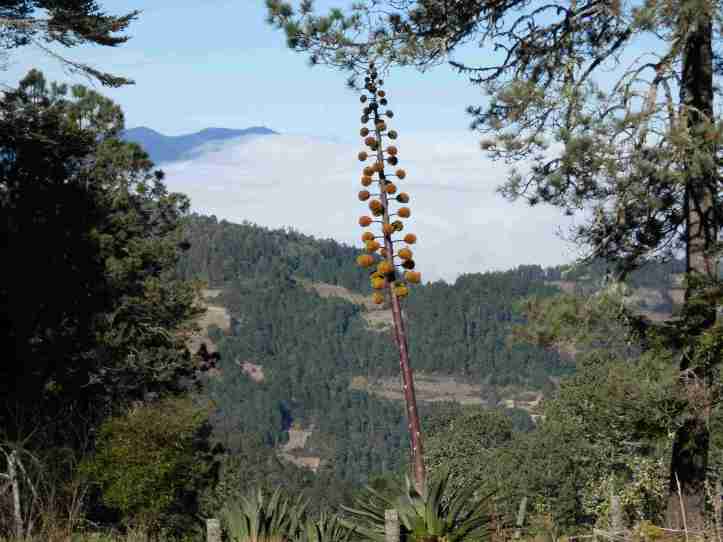
For some of this time, his son help guide. Pointing at Trogons and Orioles, then looking at things with binoculars, or playing on the swing while we had a breakfast snack at a local trout farm eatery. It was cold at 10,000 feet. The wind and the fog made it even more so, As it was winter and cold I opted for a cabana. At night I welcomed a fire to beat back the 31 degree weather and stop my teeth from chattering.
Thomas lives in the city with his wife and youngest son. His two older children studying criminology and civil engineering. He is the youngest of 6 and all but one of his sisters have moved out of the mountain pueblos. “It’s hard here, and if you don’t have children to help you its difficult.” His town has grown. “Even though a lot of people have tried to leave and go to the United States for work, the town is much bigger now than when I was young. We have nearly 1000 people here, and it used to be half this size.”
“People grow everything here. Corn, potatoes, flour, vegetables. In those green houses they grow cauliflower and cilantro.”
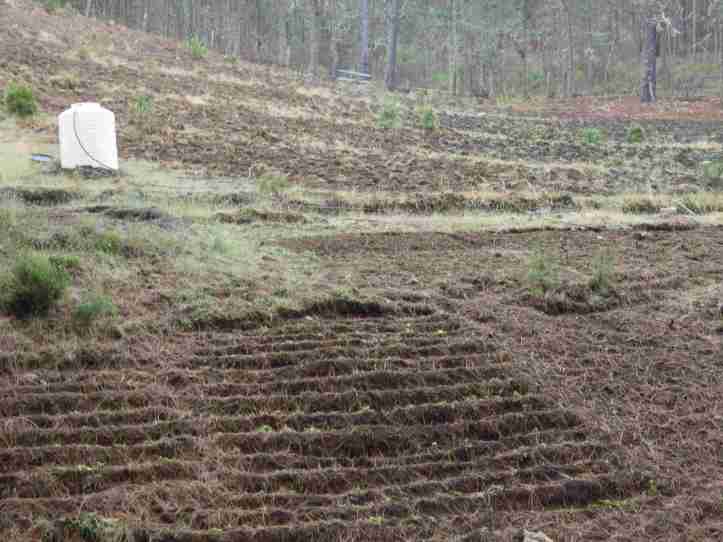
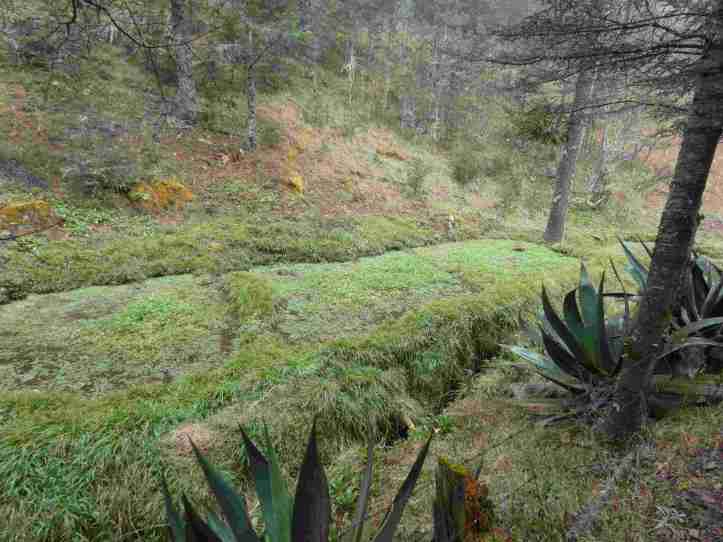
Almost all goods make their way down the mountain for sale in the local cities.
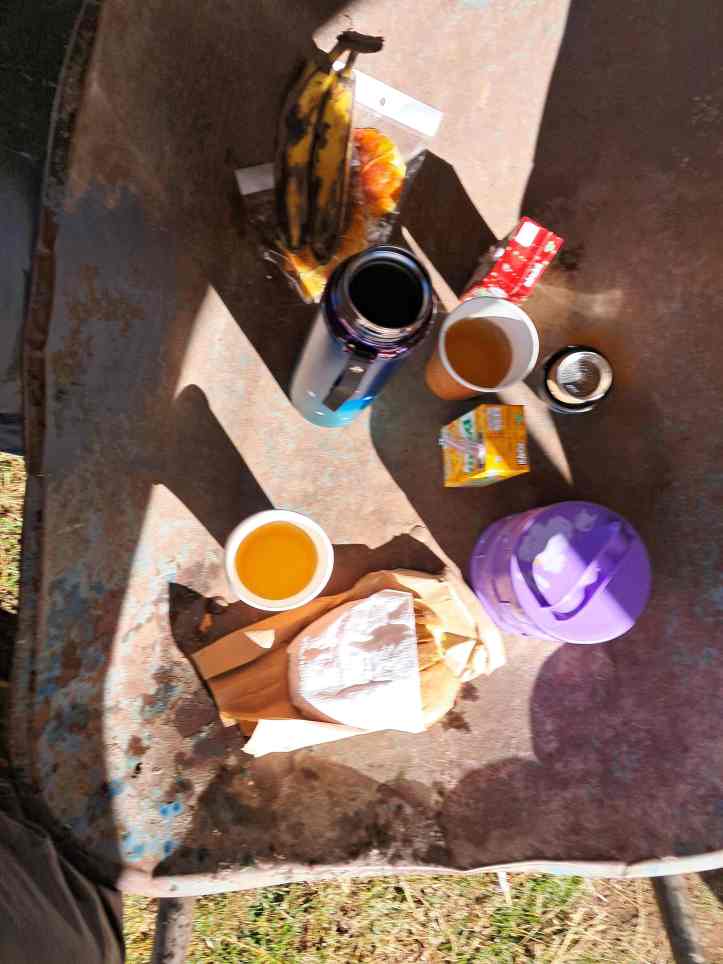
When not leading a tour, he works his field. He took me there for lunch and we used a wheel barrel as a makeshift table as we talked. “I grow potatoes and corn here. Over there they grow flour, but that is mostly to feed the cows and burros.” He explained more about how the eco tourism has helped the town: “There is more money for communal investments such as water and roads, and also people have more money for home improvements. Out school system goes though high school. Many of the other small pueblos don’t have that, so they send their children here. You know our school has dormitories, so children don’t have to walk the 4-5 hours back and forth every day.” Thomas is Zapotec and I had to ask about what is happening to his language. He taught me a few words and then lamented: “Yes the young children do understand Zapotec because of their mothers, but the government changed the law and now only Spanish is taught in schools.” We both acknowledge that language is a critical part of culture, but he just kind of shrugged about what will happen.
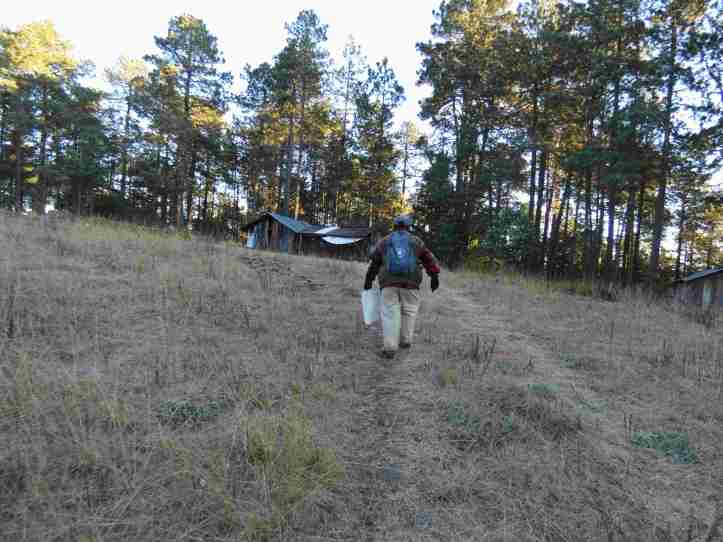
Thomas was personable, funny, knowledgeable about a great many things and perceptive. “Many tourists come here and they just want to eat and walk, they don’t want to converse with us about us, I don’t know why. Sometimes they want to talk about international politics. I know what’s happening, but I prefer to focus on the the things right in front me: my family, my field, my work.”
I certainty felt his words. There are many times when I’ve gone to a place and really just wanted the visual or aura of place without really wanted to connect with the people of that place. Thankfully, that was not me here. Connecting with Thomas enriched the experiences. Instead of just a walk in the mountains as I had planed, I came to know and understand a little bit about his Zapotec community.
 Epic Odyssey