Oaxaca is nestled in a high plateau with mountains on all sides. It has inhabited by indigenous communities since 2000bc, and currently there are 18 recognized communities that still occupy the valley. UNESCO recognized its ruins (Monte Albion), and the downtown center as significant world heritage site (Click Here). The earliest settlements of the valley appeared around 11000bc. Many of those communities coalesced and constructed Mont Albion in about 500bc. The Aztecs, arrived around 1400AD, with the Spanish Conquistadors shortly behind them in the 1500s.
Today, things have changed. The center is bustling. There used to be a great many street vendors selling the street food that made Oaxaca famous. After Covid, outside investors flooded into the downtown area replacing “local” with business that cater to a “tourist disneylandification” of downtown and compounded an already beginning trend of gentrification. (Click Link). Some of the hotels sport a swanky colonial feel. Terracotta floors, murals of colonial life, and opulence. Small local business have also been replaced with AirB&B rentals. The downtown center is also dense. Bars flash neon lights, groups of people walk together. There still are parks and there is much authentic life happening here; it just gets obscured (like all things), by the draw of tourist money.
Just east of the center is the community of Tlalixtac de Cabrera. With a small town feel, the roads are a mix of dirt, concrete, and cobblestone. Along with cars and motorcycles, moto-taxis (aka tuk-tuks), horses and horse buggies also occur on the roadways. People passing will say buenas dias or tardes. Sometimes the many stray dogs are friendly….and sometimes they’ll nip at your legs. Within a short bike ride is the Ex-Hacienda Aranjuez.
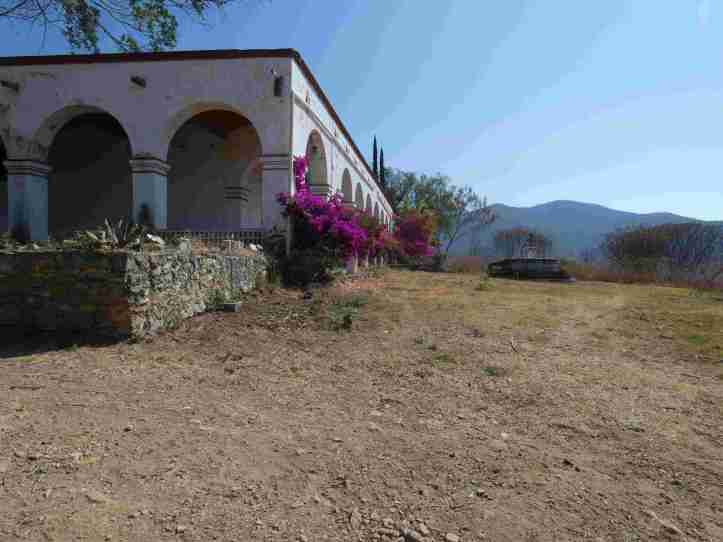
In Mexico, the government owns the land. The government can transfer land rights to people based on local codes and ordinances. However, the majority of the land in Oaxaca is Ejido, which means it is owned by indigenous communities. As everyone in the community owns the land, everyone takes care of it.
Beyond the Hacienda, up the dirt road is the Presa de la Mina. it is a small reservoir which is is a hot spot in the summer with a little eatery. However in the winter, no one is there except for a occasional roving packs of dogs, and people heading up into the hills to collect wood for fuel. This land is Eljido, and everyone passes the community land working not to take more than their share.
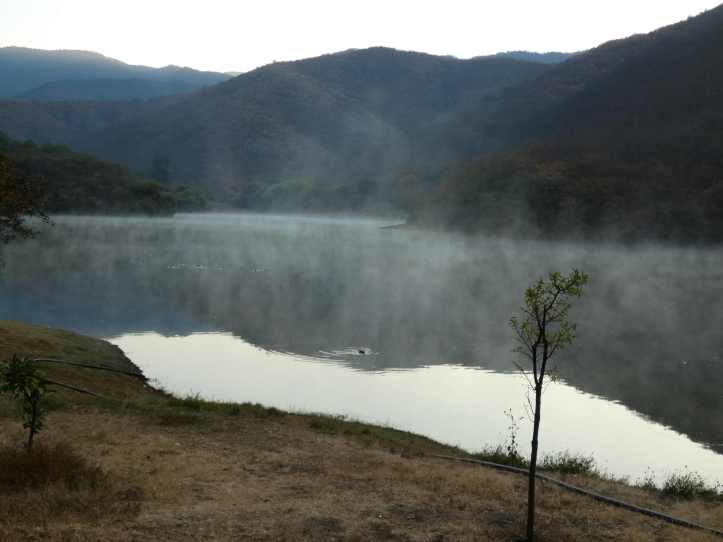
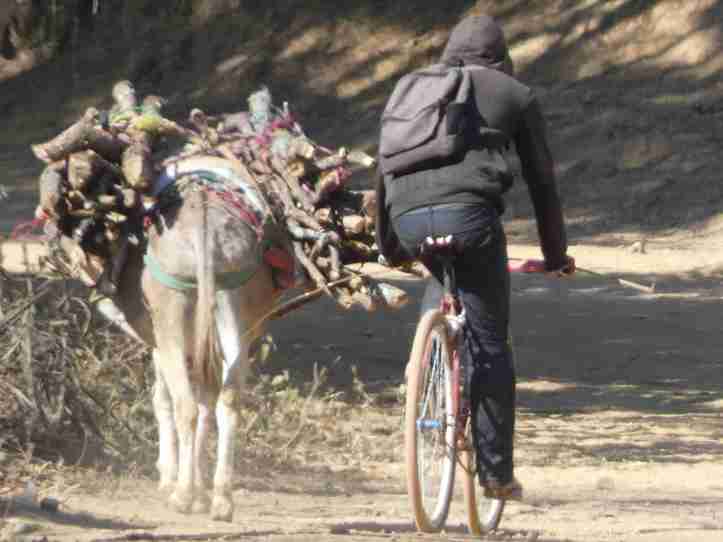
Further East in the in the valley is the community of Tecutlan. In this community, the schools and services are run by the community they serve. Students at school learn their history, culture, and language. This town is a gateway town for trips up the mountain – by dirt road. Only locals use this road as taxis and buses usually want to use pavement. Also here is the Presa piedra azul. A lovely reservoir to walk around with plenty of wildlife. It’s out of the way and feels authentic, everywhere you look slices of life: A small recreation center with a pool (open in the summer), people going to and from town getting supplies. People building and doing home improvement projects. Children on the way to school and parents dropping off and picking up. Just regular stuff without the touristic chaos.
Some key traveling tips for Oaxaca.
- The major highways are two lanes separated by a double yellow line. Most cars drive straddling the white line and veer left to go around bicyclists and veer right to avoid head on collisions from cars passing on the other side of the road. In other words, that double yellow line doesn’t mean the same thing as in the USA. The double yellow is a “common” road space, as is the white line.
- There are a great many motels on the outskirts of town. However, a motel is not the same as a hotel. If you don’t get the hint by the “hacienda de amor” and “Solicito Personal: maculino y feminino” signs. You will learn if you try to get a room for the night. As the motels are by the hour and they won’t let you check in by yourself. Make sure to book a “Hotel” or a “Hostel”
 Epic Odyssey