In the late 1960s there was growing environmental concern around the world. In Ramsar Iran, a treaty started recognizing the importance of wetland sites for preservation. Originally in 1971 there were 18 countries that signed on to this treaty. These are the first 20 to sign on: Australia, Iran, France, Finland, Greece, Norway, South Africa, Sweden, the UK, Switzerland, Senegal, Poland, Pakistan, New Zealand, Jordan, Italy, Iceland, Germany, Denmark, and Italy. Gradually, more countries signed on and now there are 160 signatories, and over 2500 sites. It was one of the first International Treaties on the environment of its kind.
It was a treat to visit Tueticlan and Presa de la Vega which is part of the RAMSAR site network. Tueticlan is a town located on the outskirts of a large basin lake. Before civilization this basin was marsh. A confluence of different river systems that collected in this basin provides a home and migratory stopover for birds for centuries. As humans started to inhabit and cultivate this area the habitat started to change. As the sugar can fields and cow fields ate into the marsh, the habitat started to shrink. This phenomenon was not limited to Presa de la Vega. In fact, its a global phenomenon of habitat loss. In the 1970s a global initiative started to work to preserve such spaces.
The USA version is the National Wildlife Refuge system. A key difference, a large part of the funding for the NWR program comes from seasonal hunting rights. Another key difference, quite a few NWR in the USA require maintenance and upkeep due to the fact the land was lost to agriculture, and then converted back to wetlands. Thus the NWR frequently has to dredge, manage water flows, and make ongoing efforts to remove invasive or introduces species, and maintain roads. (Not all NWRs are based on marsh lands, some our desert, mountain, or coastal based).
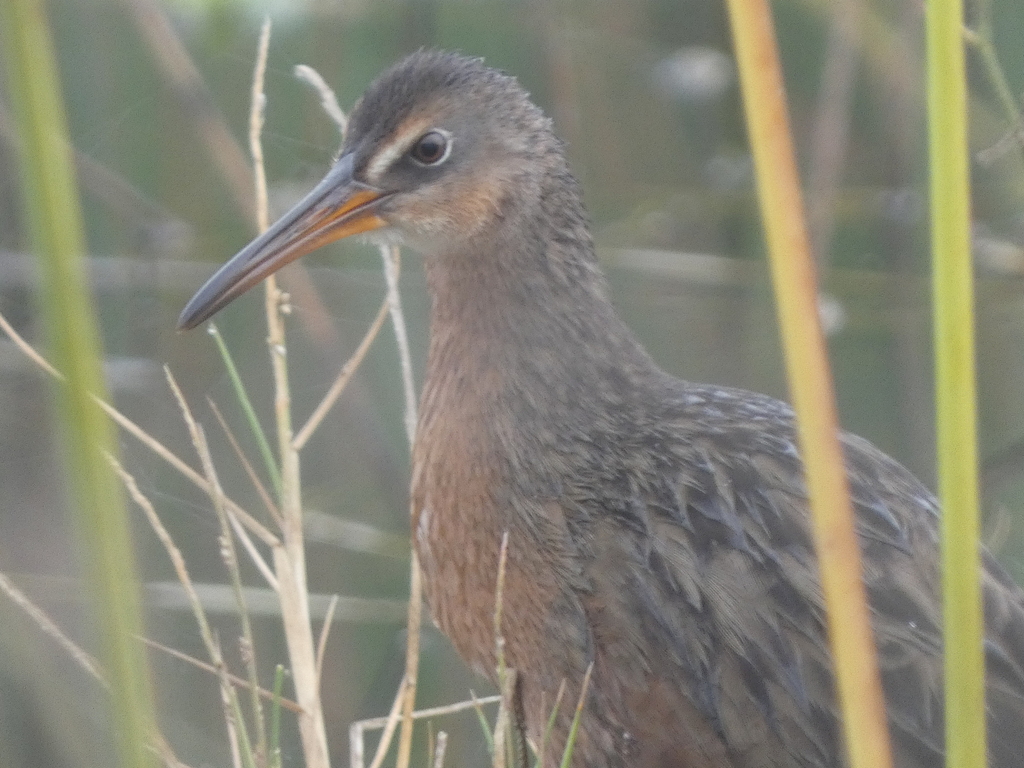
In the large freshwater marshes of Central Mexico lives the Aztec Rail. The IUCN list regards this species as near threatened and estimates about 15,000 species in the wild. (IUCN Redlist report here)
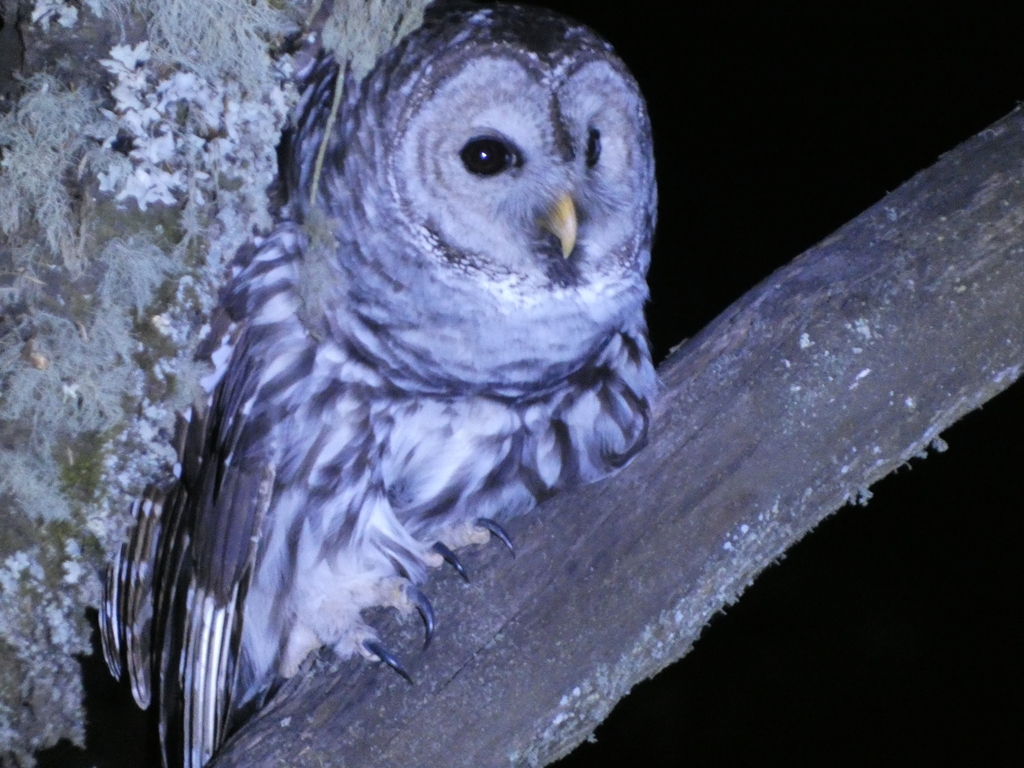
A dominate geographic feature in Colima Mexico is the Colima Volcano. It is a melding of an older less active volcano to the north, and a vary active volcano to the south (which last erupted in 2023). The Mexican government recognized this areas a an important natural area making it a National Park in 1936. A steep winding dirt road ascends to to 11,000 feet from 5000 feet in just 9 miles of winding road. With the abrupt change in altitude, there is also an abrupt change in temperature. The temperature went from about 75F at the base, to 36F degrees at the top. We arrived around sunset and waited in the cold for about 90 minutes until we got a chance to see a Cinereous Owl. This high altitude bird is not even listed on IUCN redlist as there are no studies on it. It only has 33 observations on Inaturalist and 72 on ebird.
 Epic Odyssey