Hot and humid in the summer.
Mustang Island State Park
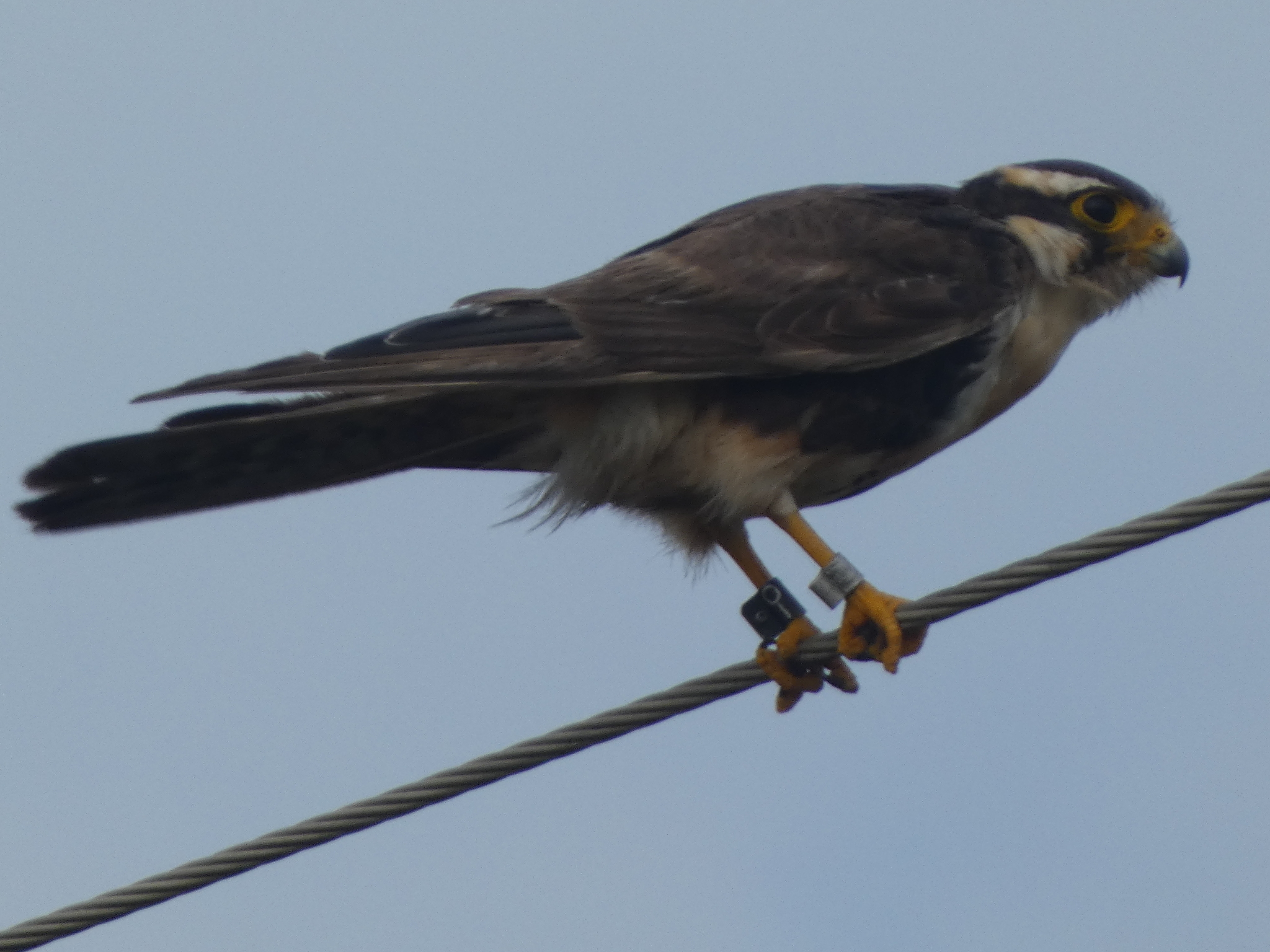
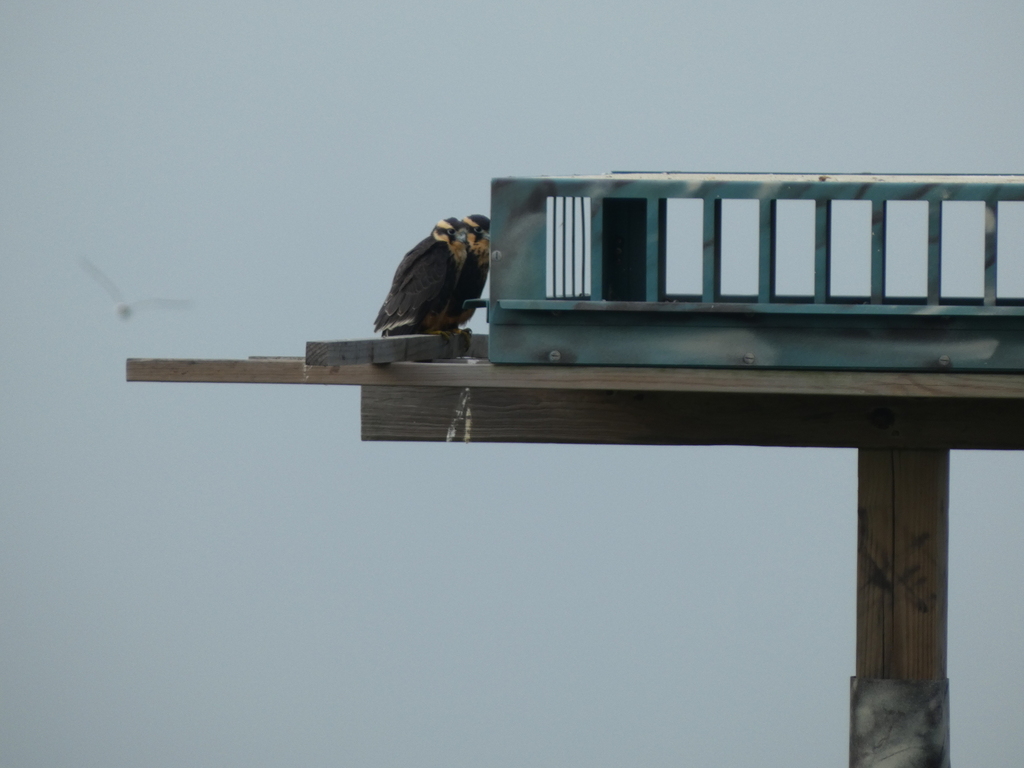
Just north of Padre Island National Seashore is Mustang Island State Park. The strip of land is narrow, and people flock to the beaches and cool breezes from Corpus Christie. Mustang Island harbors another amazing attraction: The Aplomado falcon. This particular falcon prefers shubs and grassland. They were numerous in the southwest. Terraforming efforts for agriculture contributed to massive habitat loss since 1930. 1952 was the last time a nesting pair of Aplomado Falcon was observed. Fast forward to the 1990s when a multi state effort to reintroduce the falcon began. Hundreds of nesting pairs were settled. Today although spotted in New Mexcio from time to time, Mustang Island, Padre National Seashore, and in the far southeast corner of Texas are the only places to catch a glimpse of this bird in recovery. Although IUCN Redlist lists this species as stable, it does do because its populations are stable in South and Central America. It’s populations in the Southwest are far from recovered.
Port Aransas Preserve and Aransas NWR
The Port Aransas Preserve and Aransas National Wildlife refuge is the haven for another species: The Whooping Crane. The largest bird in North America, over 10,000 of these birds once populated the continent. Due to habitat loss and hunting the species plummeted down to 15 in 1941. Biologists could not figure how where these birds nested until an accidental discovery of a nesting area in Buffalo Wood Park in Canada in the 1960s. Recovery is far from full and is slow. The population is estimated at between 50 and 250 according to the IUCN Red List.
Laguna Atascosa NWR
This large National Wildlife Refuge no longer offers an auto tour because people kept striking and killing the ocelots. There were quite a few trails to hike, but all were exposed and the area was quite hot. The end of the Mesquite Trail took me to an old cemetery with only 8 graves. Three were unknown, one person died in 1895, and others dying in 1902, 1913, 1951, and 2020. The names were all different and three of them appeared to be children, and two were spouses. A strange and remote place for a cemetery.
San Bernard and Brazoria NWR
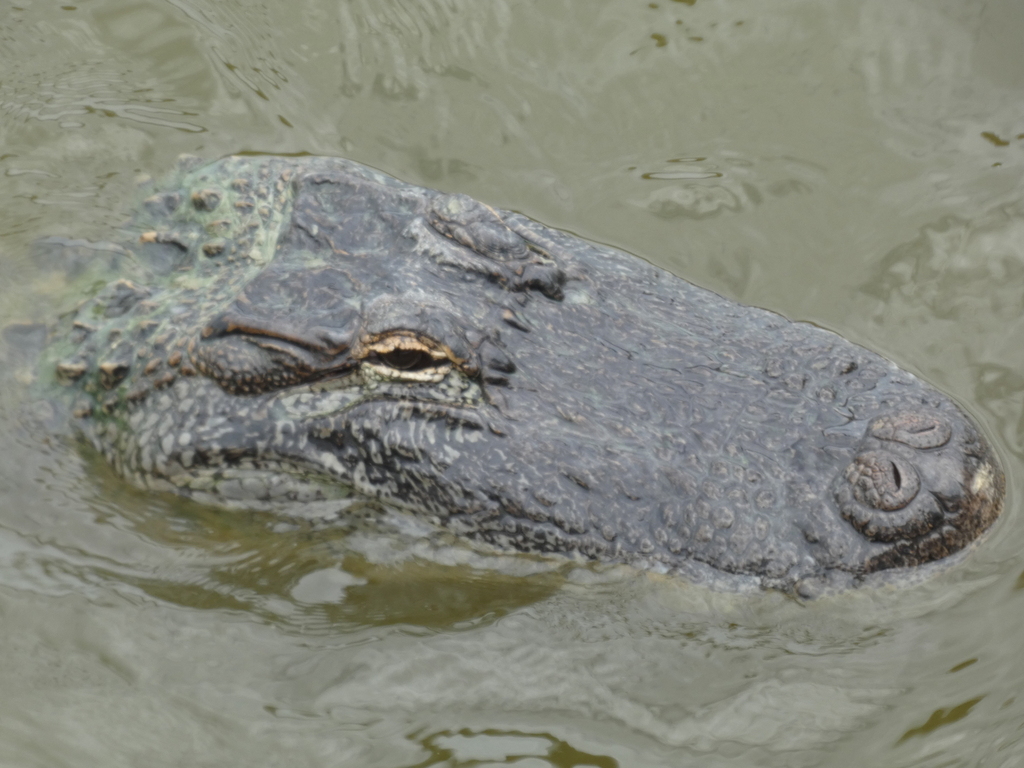
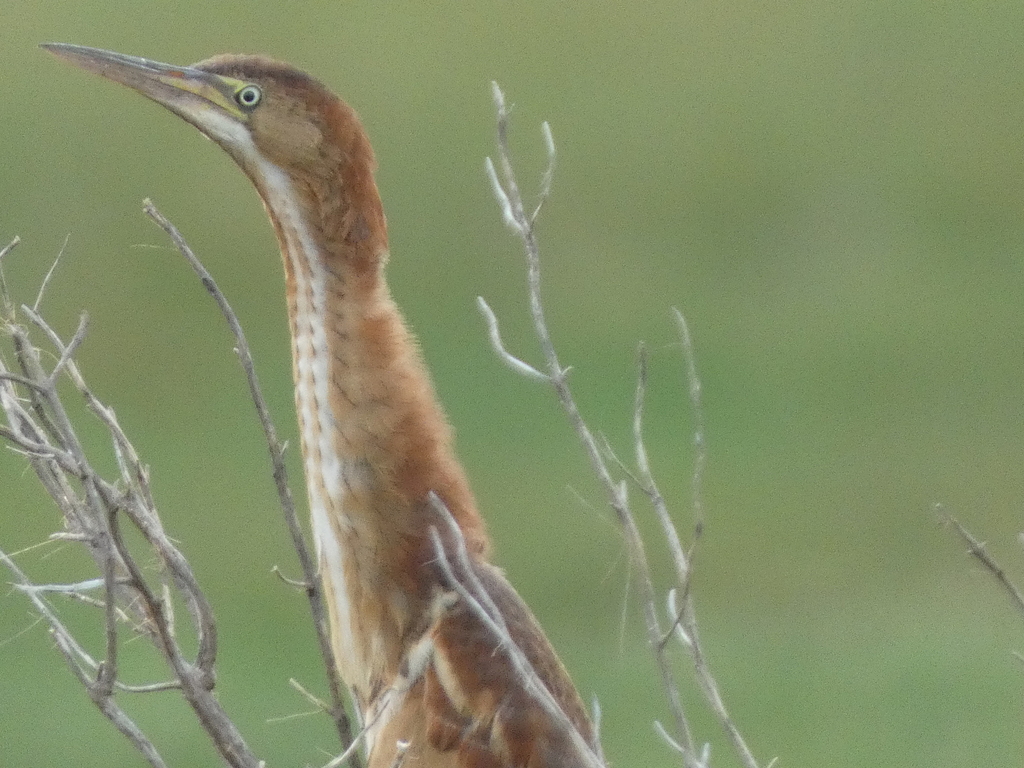
Both San Bernard and Brazoria had auto tours, plenty of walking trails, and a good amount of mosquitos and biting flies. Most of this land was purchased back from ranchers and farmers to did their best to subdue the land and make it productive for them. Even though it was summer, the refuges were filled with sights to see. Walking the trails in the early morning was a bit eerie. In almost every pond along the path, as I moved close, alligators splashed into the water and all the birds the flew into the air. Between one such pond I had to wait until an alligator moved from one side of the trail to the other.
Boca Chica
In the corner of Texas is the Boca Chica Wildlife and Management Area, State Park. This area is fairly barren, with large playas, and a small bay, and a large beach front. Aside from the jeeps and trucks taking their families to drive along the beach there is one stand out feature: Space X village. There are fueling stations for space rockets, a massive warehouse used to construct space crafts, a small restaurant, and two office-like high rise buildings. A massive toll road is being built to replace the two lane ill-kept road that had been in place for years. Places that were an undeveloped marsh in a wild protected area, were in the process of being cleared for housing development. Prior to Space X arriving in 2003 the area only had two dozen people living there with Brownsville residents making the trek to the secluded beach. However after hundreds of thousands of political donations Space X was allowed to acquire and build on land that was previously part of a refuge. This Reuters story details how Space X bullied local residents out of their houses and removed evidence of their community and how several local officials have benefited immensely from the breakneck development. (Click Here). Space X acquired refuge land by donating a like size of land to the Laguna Atascosa wildlife refuge. On one level this seems like an apple for apple switch. However, when one considers that refuges are established not just as an arbitrary piece of land for wildlife but rather are selected because migratory, habitat, and nesting needs, this switcharoo is bonkers and shows a clear prioritization of money and business over biological and community needs.

 Epic Odyssey