There were quite a few notable locations along the Rio Grand Valley
–Santa Ana National Wildlife Refuge
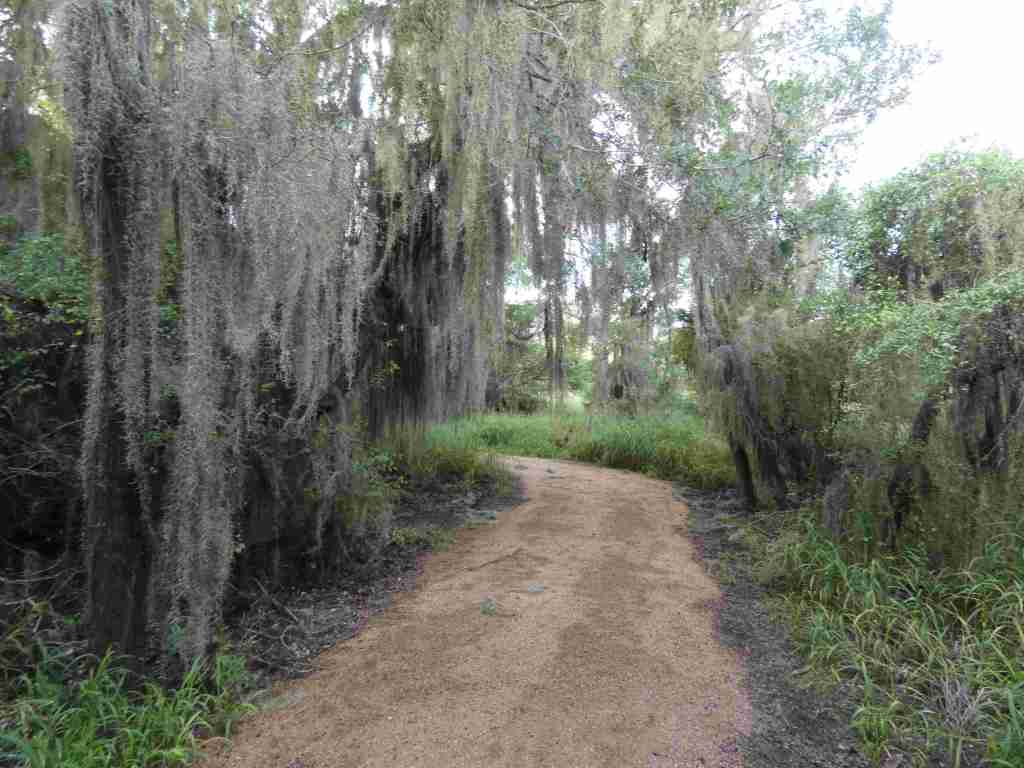
This was a largest tract of land adjacent to the Rio Grand. Full of marshes and woodlands, a wide variety of wildlife called this place home. Even with an early start, by noon, the heat was just too much. Everything here was a walking trail, as the auto tour was shut down years ago. People wanting to get far into the refuge often bring bikes.
–Bensten State Park
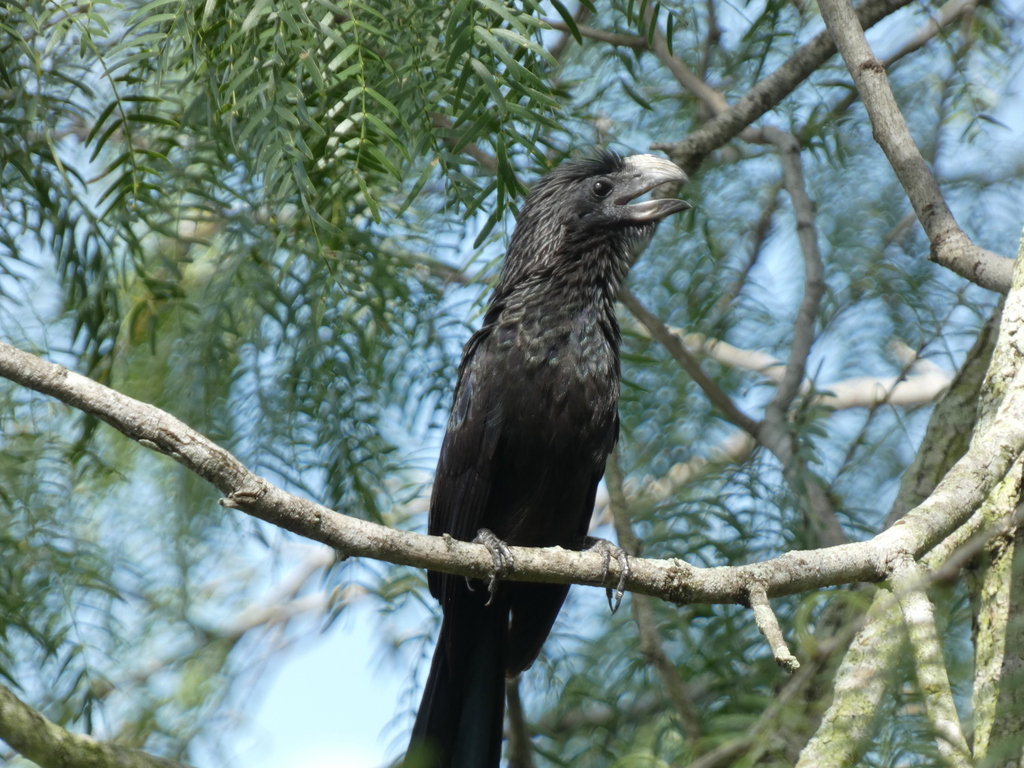
This place was setup for both people viewing wildlife and people wanting to picnic and boat and camp. It was slow during the summer months due to the heat. They had bird feeders and water features throughout the park, but because of costs and the summer, none were replenished. Still Chachalacas were everywhere.
–Estero Grande State Park
Like Bensten State Park, this park was setup for camping and picnicking. Although due to the amount of alligators, water activities were not part of the agenda. It looked as if their campsites had not been used in quite a while.
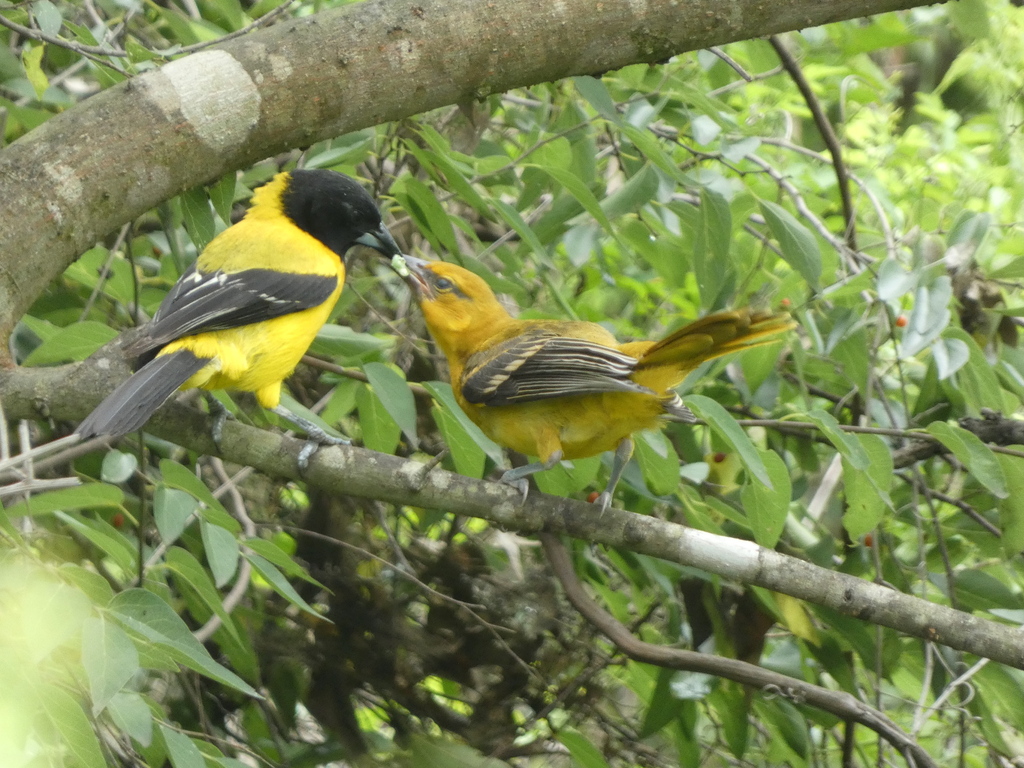
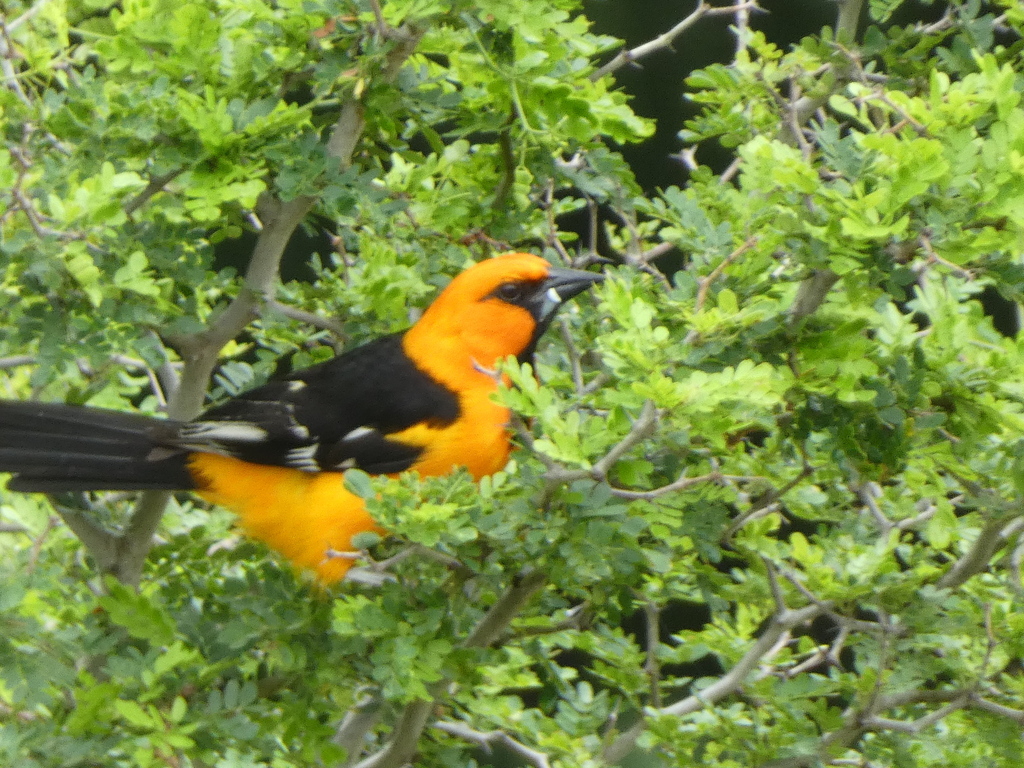
One of the smaller preservers I visited, but it was very dense. Butterflies, birds, bats, insects, a beautiful garden, and one African tortoise, provided a lot to look at. One thing to be found here that can’t be found anyone else in the US (currently), is a hybrid species of Oriole: Audubons crossed with Altimira.
-Salineno Wildlife Preserve
Signs on the preserve state that it is both a preserve and also a national wildlife refuge. A short drive through the village of Salineno down a dirt road is the refuge. The gate is locked and during the migration, one can call and some will setup feeders on the grounds. Short of that there are some dirt roads to explore that go along the Rio Grand. The trees are alive and full of sounds. However, I wanted to visit this land for a different reason. The US government tried to acquire a significant portion of this land to build a border wall. The people fought back, established the Valley Fund Trust and currently there is no wall or fence. Instead a preserve that provides critical habitat for a variety species.
Just outside of Brownsville is the Sabal Palm Sanctuary. The house is a plantation style home and was the base of large sugarcane operation and then changed to citrus. The house is a museum and can be viewed. There are three miles of trails and boardwalks. Part of the trails meander through a grove of Sabal Palms – palm trees that historically covered the rio grand valley. However, this stand, no more than a few acres, is all that is left in the Rio Grand Valley. They exist elsewhere, but here they are almost extirpated.
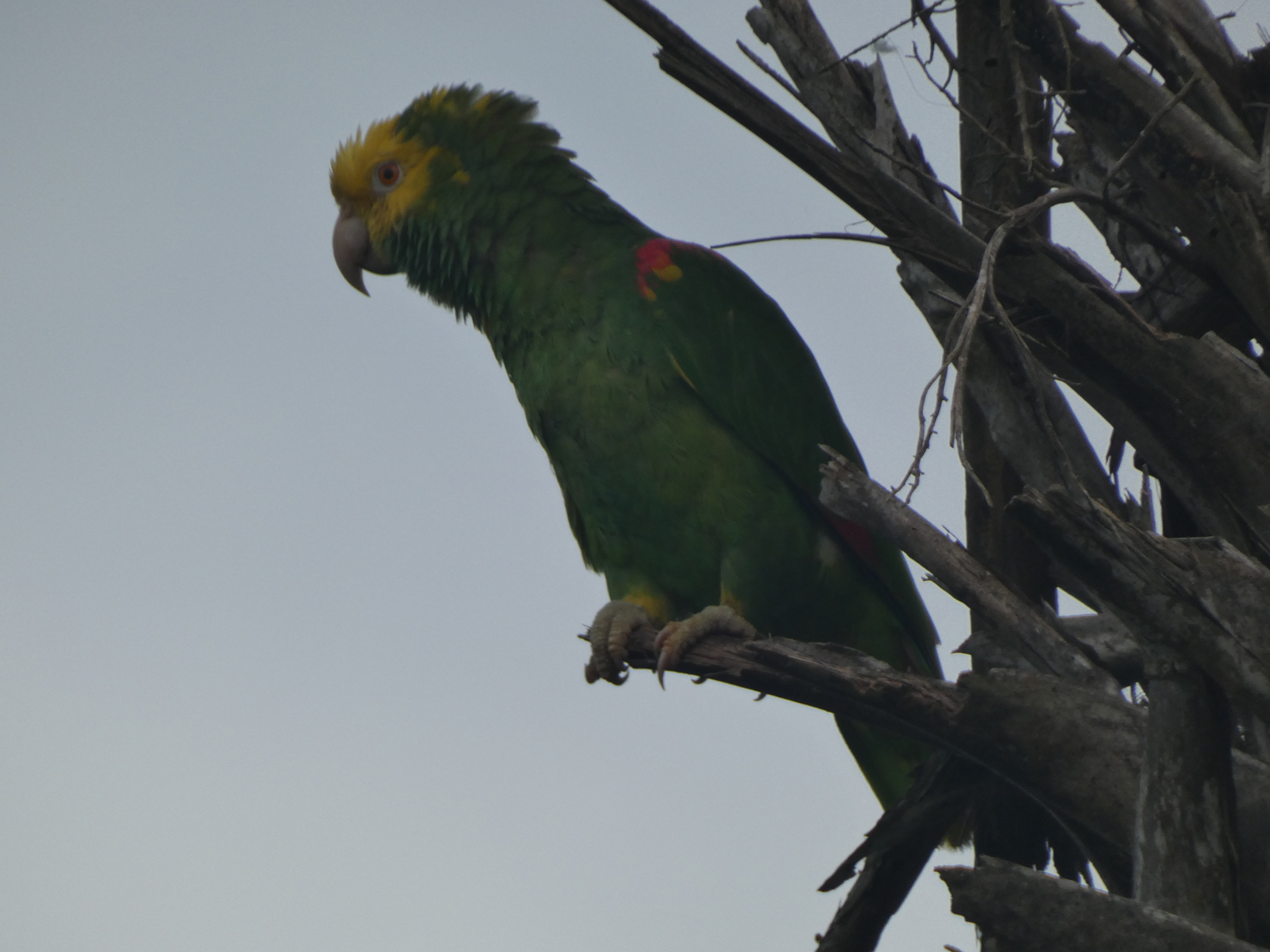
The concept of the border fence/wall reared its head again. A border patrol agent (one of 7 who stopped me on my Rio Grand Valley trip), helped me understand. The river is the border between Mexico and the United States. However, in order to build a fence it must be built on land in the US. The US Government purchased or leased tracts of land to build the fence, and those tracts are not necessarily continuous. So in many places there is fence, then nothing, then fence again. Additionally, the fence often separates people farming land. Openings in the fence exist so they can regularly to access their land. The fence does very little in these areas and is in large part a token of political will that can be shown to citizens far away who know nothing of the geography or politics of the border region. People have been moving back and forth in this region for a very long time and the fence illustrates ignorance and xenophobia rather than a will to create a solution that is beneficial in the aggregate.
The Rio Grand
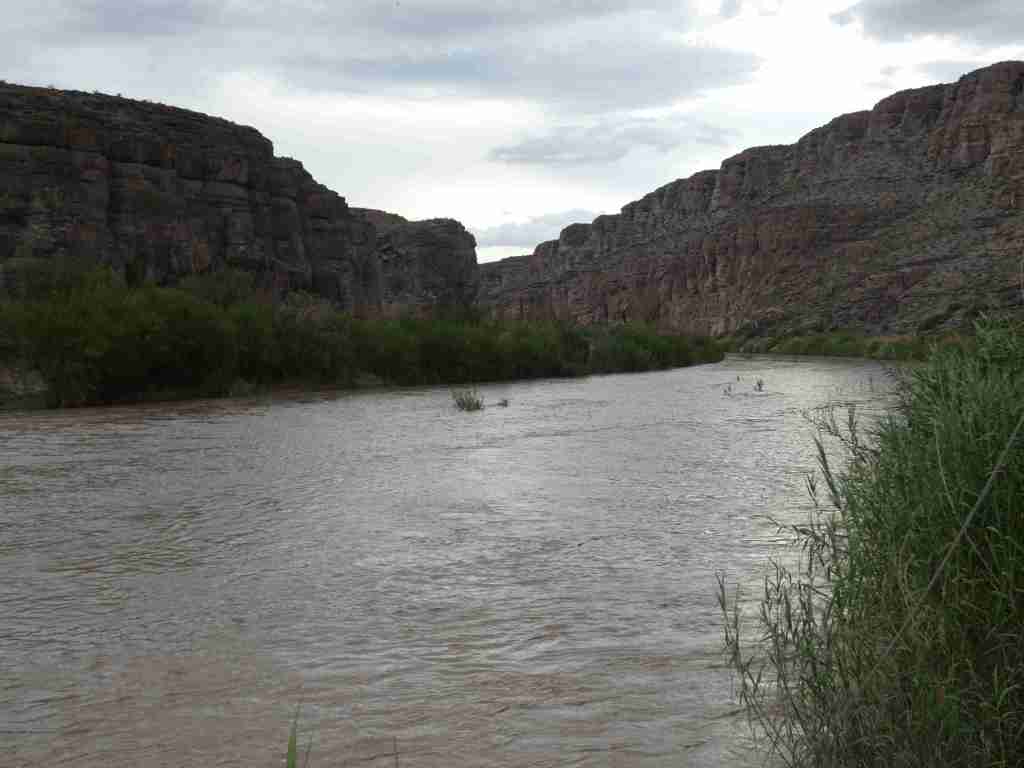
My thoughts jumped to a former student when I first saw the Rio Grand. Charismatic, a natural leader, and rather affable, my student “A” decorated her graduation cap with: “My parents crossed a river so I could cross a stage”.
It was a powerful sentiment and caused me to reflect on the many people who crossed this river over time. The river is not as wide as it once was. There is a wooden platform in the Sabal Palm Sanctuary that used to be on the edge of the historic Rio Grand (it was used to load sugar cane onto steamboats). That platform is a good 150 meters from the current banks of the Rio Grand. It may have been much more difficult to cross in past than now; however it was and is still crossed. At some point the xenophobic portions of the population that are possessive of what they perceive as theirs moved US public policy from one of welcome to intolerance. Even though land ownership can span generations, my time along the boarder and view historical ranches and ancestral native lands has shown me that possession is ephemeral, and land abides. Ownership, fences, and line drawing seems to be more of an effort to shape our interactions with each other rather than with the land we temporarily occupy. It is folly to say we own the land. We can’t take the land with us and it will outlive us all.
 Epic Odyssey