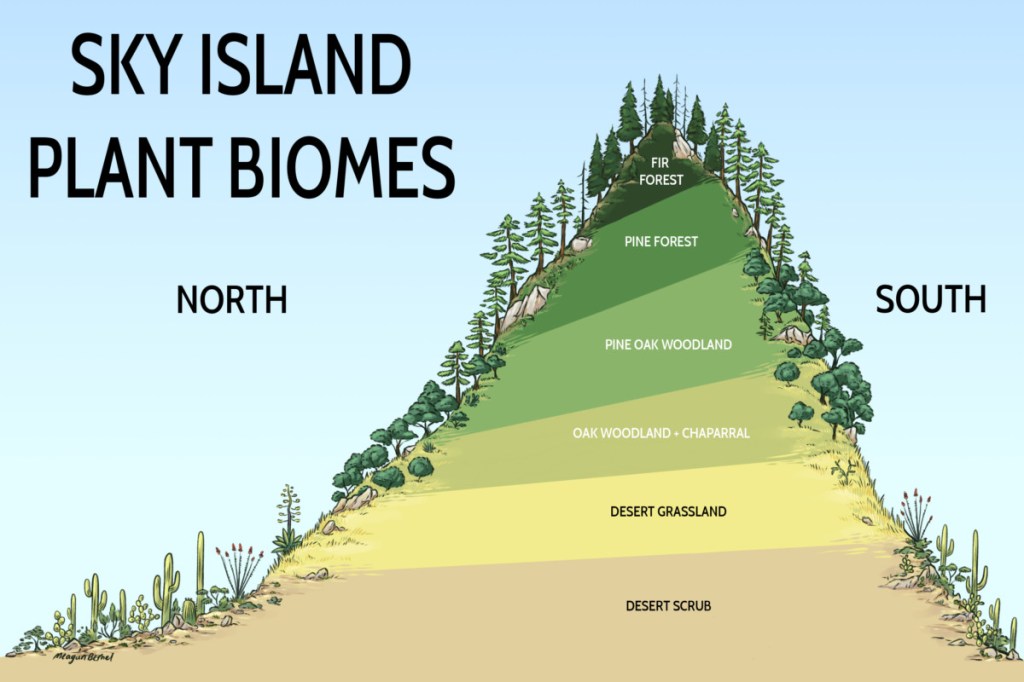
Deserts. Rocks. Cacti. Lizards. Mesquite. Hot. These are just some of the words people associate with the southwest. The Sonoran and Chihuahuan deserts are relentless. In the summer months the temperatures often exceed 110 degrees. Ironically, during the hot months there are monsoons. On the whole these derserts are a hard place to live and many places are barren. However there are some notable exceptions to the barren landscape and lack of life. Sky Islands are landforms that rise high up above the desert floor, sometimes over 9000 feet. They contain multiple biomes and refuge for migrating species as well as homes to species that have the tectonic changes that have changes the region.
Davis Mountain State Park – Texas
One of the lower sky islands it reaches up to 6000 ft. The McDonald Observatory lies atop and there is plenty of ranches packed in nearby to take advantage of the cooler climate and grasses that grow.
Chiricahua Mountains – Arizona
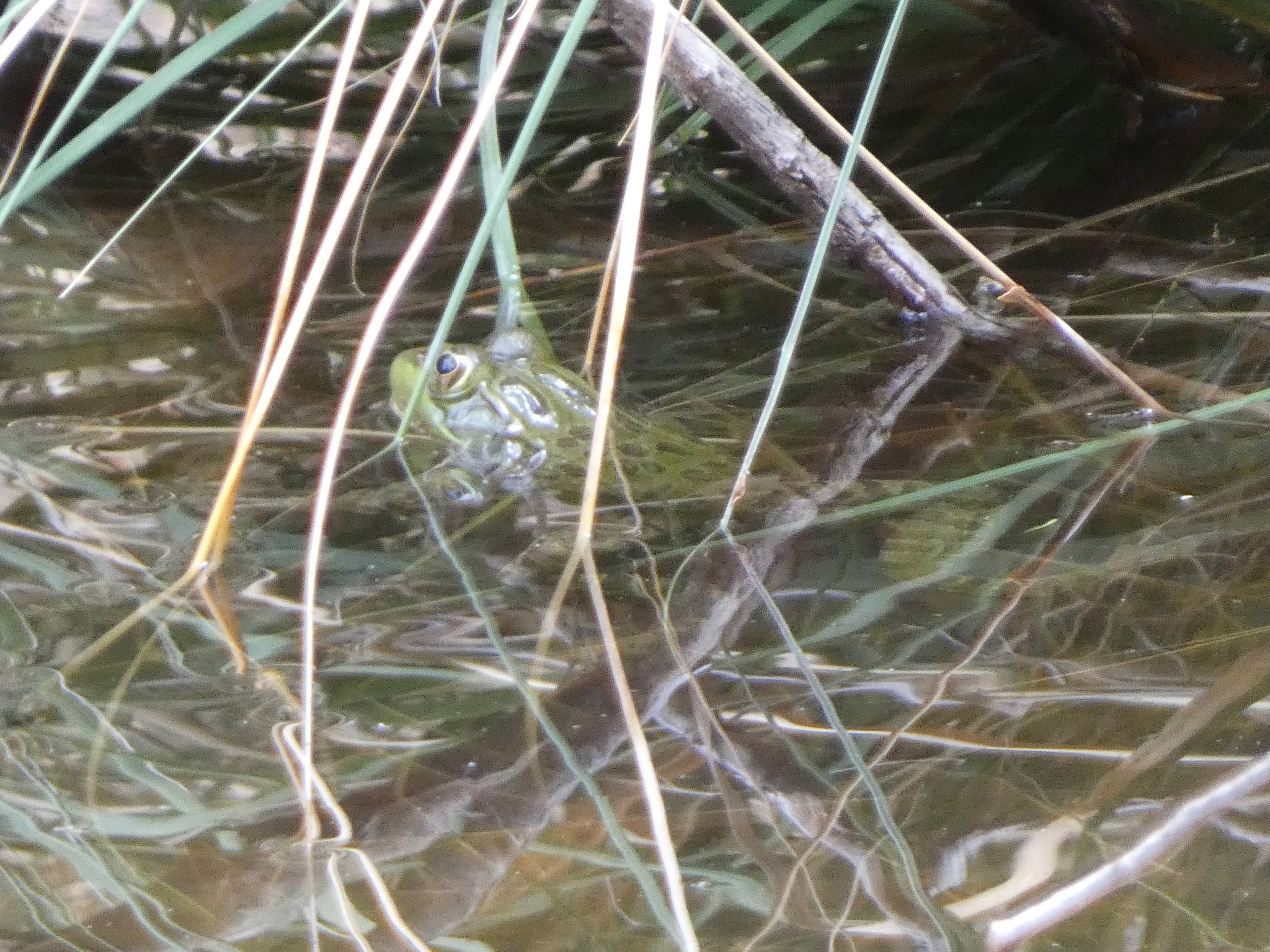
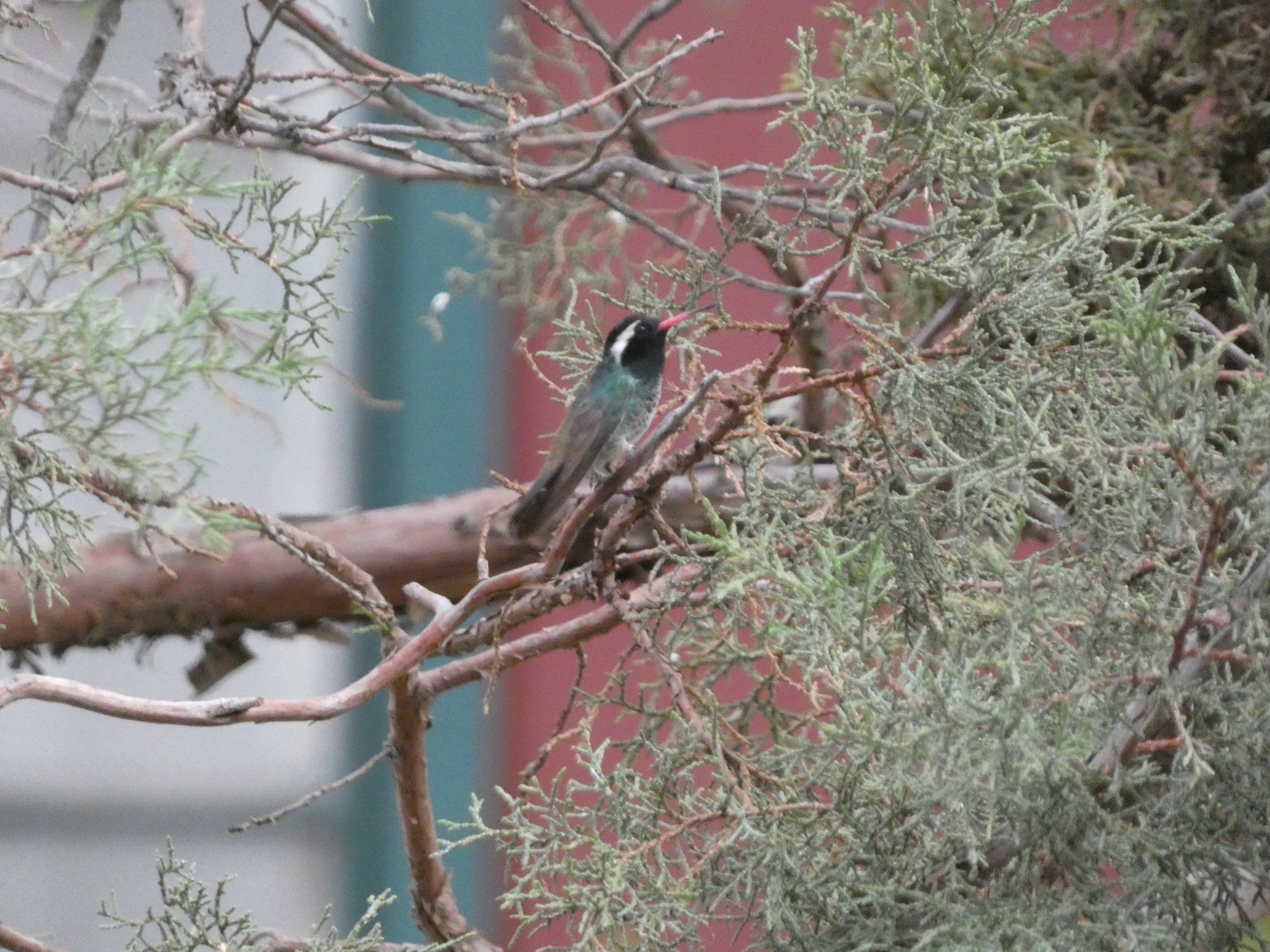
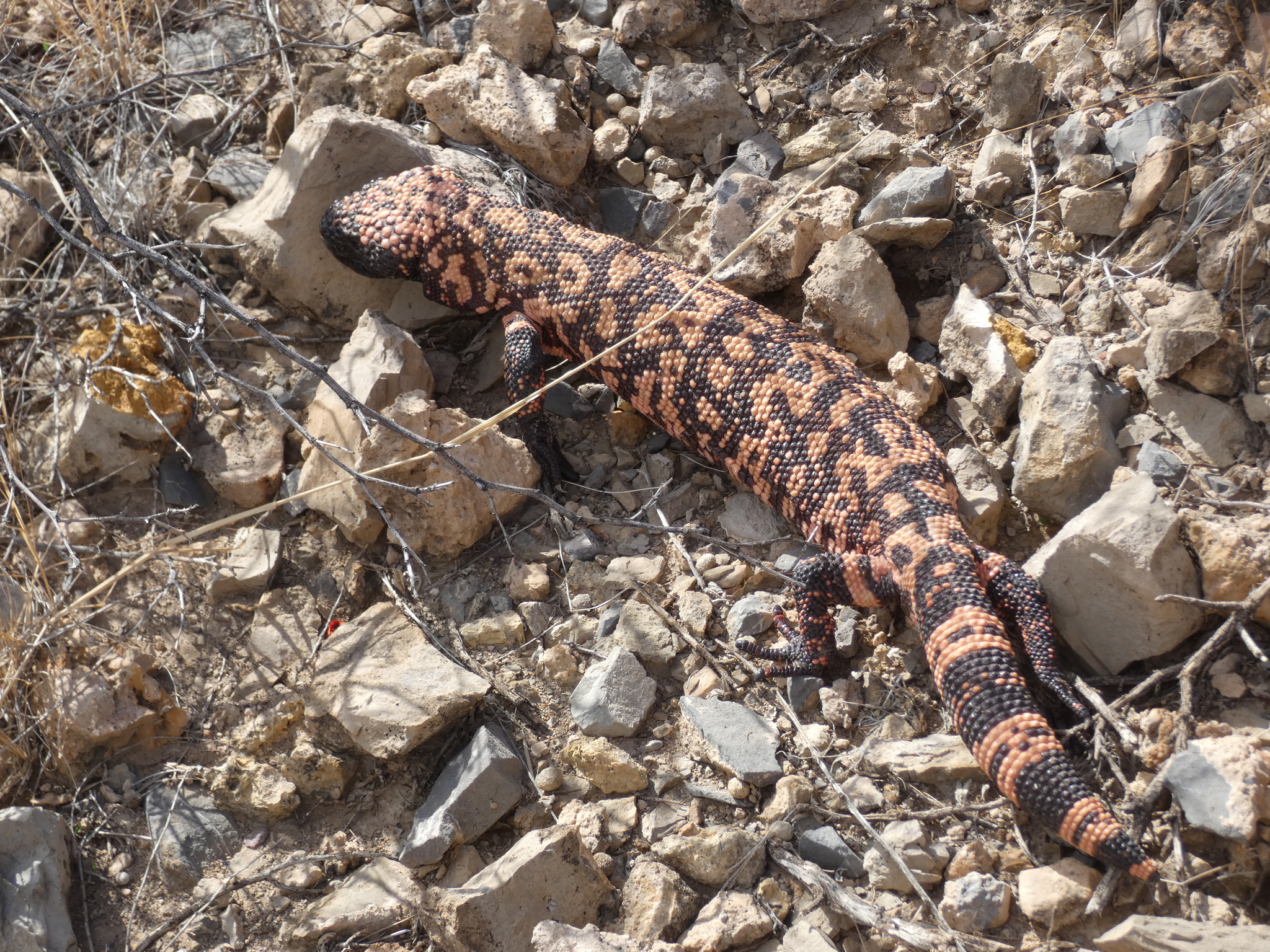
There are plenty of vistas and trails to hike and pull out places along the 20 to 30miles of dirt road that go through this national monument. Some roads are easily passable and some need high clearance vehicles and four wheel drive. These mountains reach over 9700 feet, and has a large footprint. Nestled in these mountains are several hidden gems, the first is the Southwestern Research Station. Scientists from around the wold gather here to study sky islands habitat. Scientific stations abound. Numbered corrugated metal lie on the ground for checking which types of creepy-crawlies are around. White sheets with lights on them attract insects. There are blinds and numerous camera traps. Ponds provide habitat for the endangered Chiricuahan leopard frog, for which the IUCN Redlist states there are under 10,000 left in the world. On the day I was there, there was a special seminar on bug photography. In talking with scientists at the station, he told me that because of the severe drought Whiskered Screech Owls which normally nest here, are not nesting at all. In fact, the drought in combination with a massive decline in insects have been causing the smaller owls (Elf Owls, Flammulated Owls, and Screech Owls), which primary feed on larger insects have been starving to death. “We found a dead Whiskered Screech owl on our grounds just the other day and it was quite clear it starved to death”.
The Huachuca Mountains – Arizona
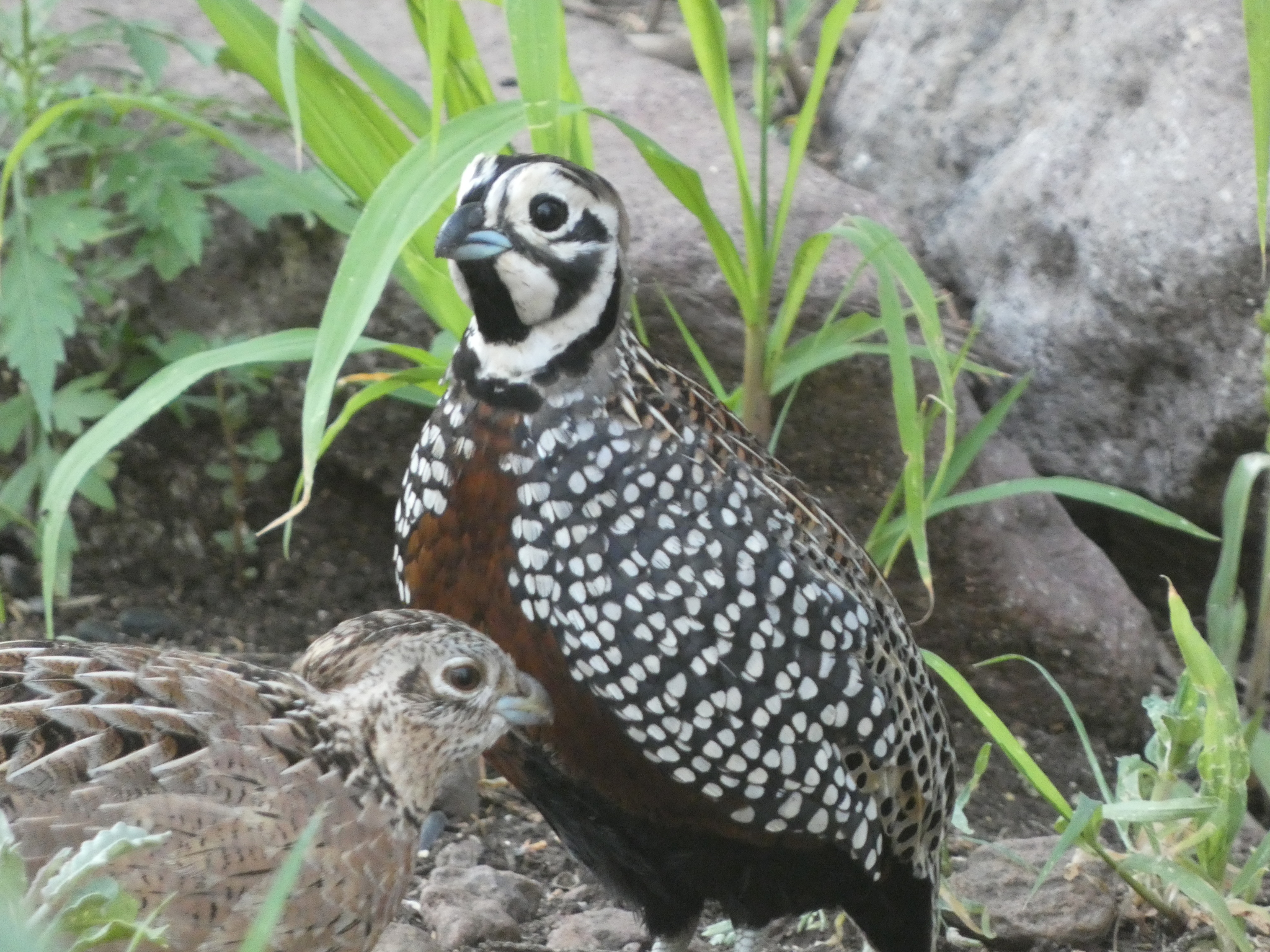
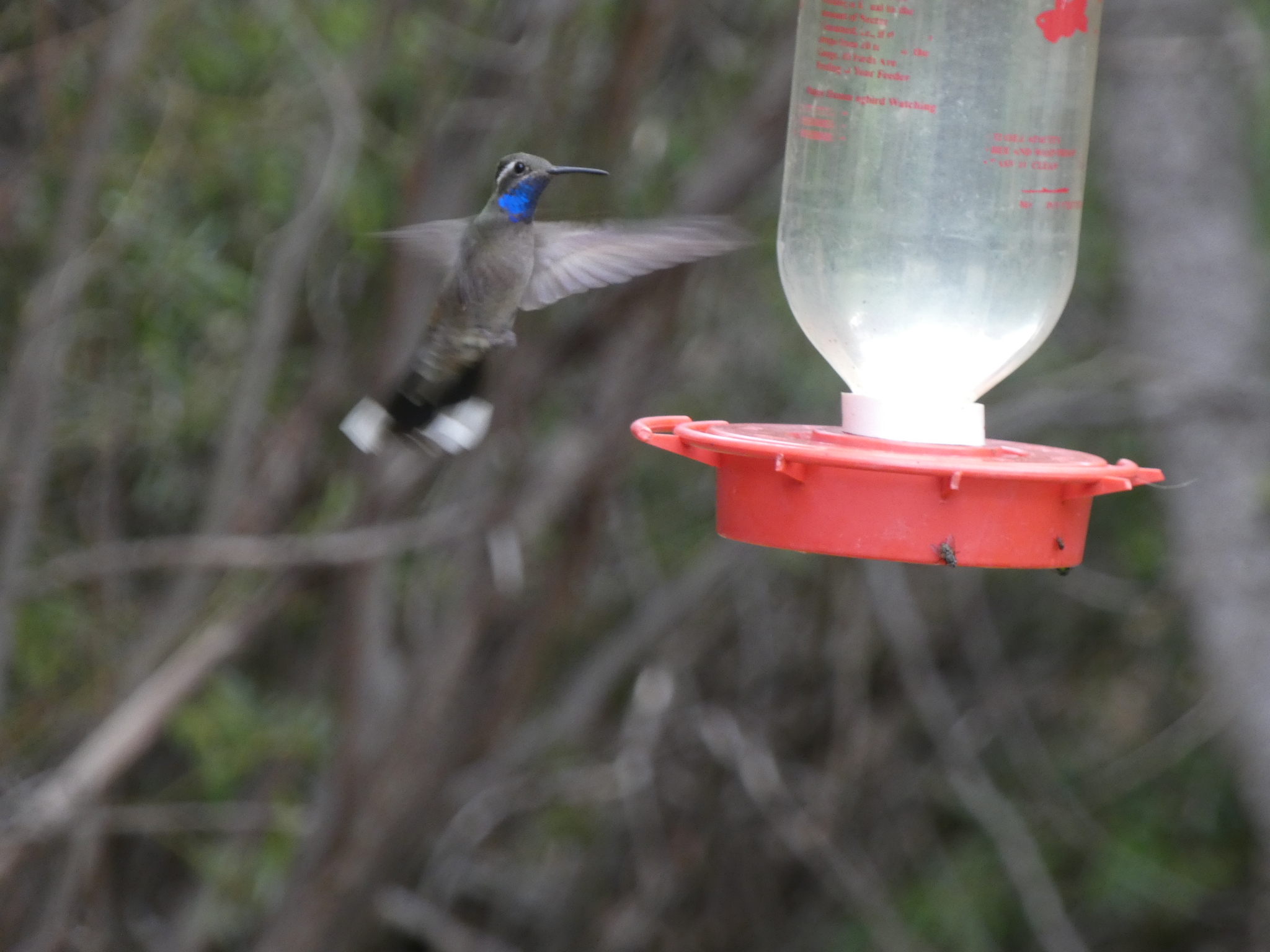
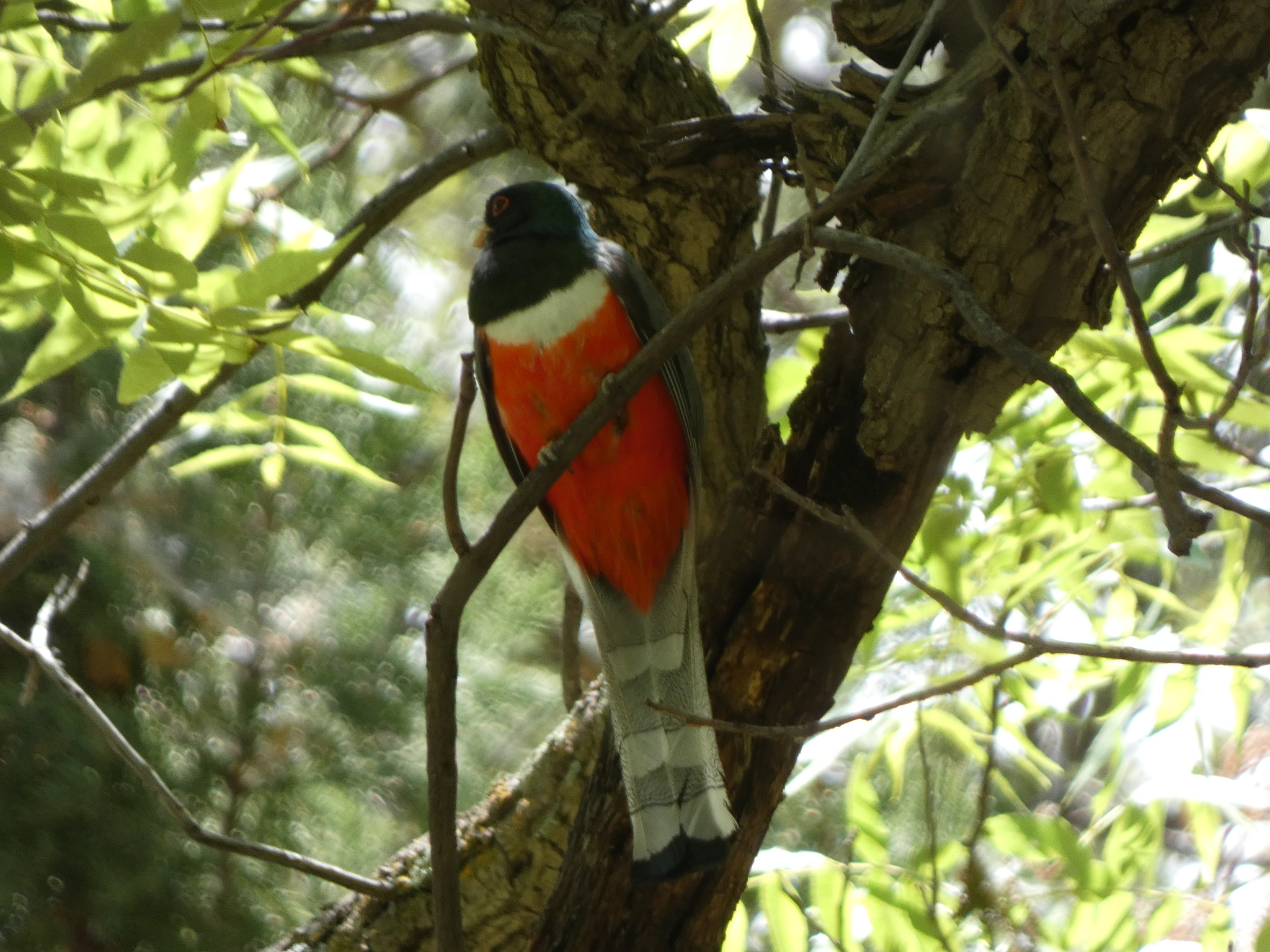
The Huachuca Mountains are much smaller than the Chirichuas, but reach high getting to about 9,000 feet above sea level. There were more communities in the foothills of these mountains than the Chiricahuas. While also a part of the Coronado National Forest, the foothills were much more populated and catered to the many birdwatchers the flock to this area to find specialty birds that can only be found here. Between Ash Canyon, Carr Canyon, Miller Canyon, and Ramsey Canyon, as well as the San Pedro Riparian National Conservation Area (One of the only rivers that flows from Mexico, into the USA), there are plenty of opportunities to look for unique wildlife.
The Santa Rita Mountains – Arizona
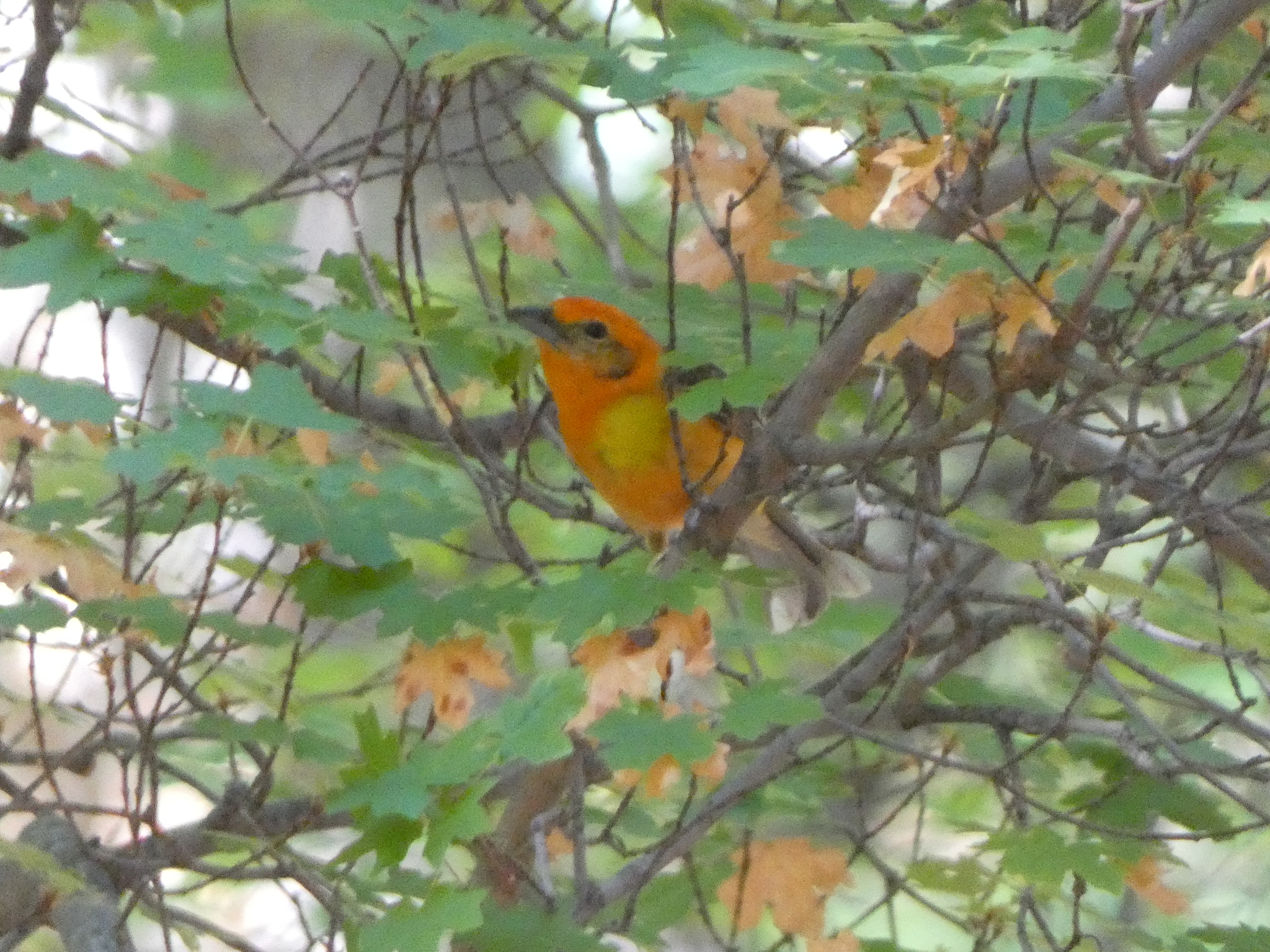
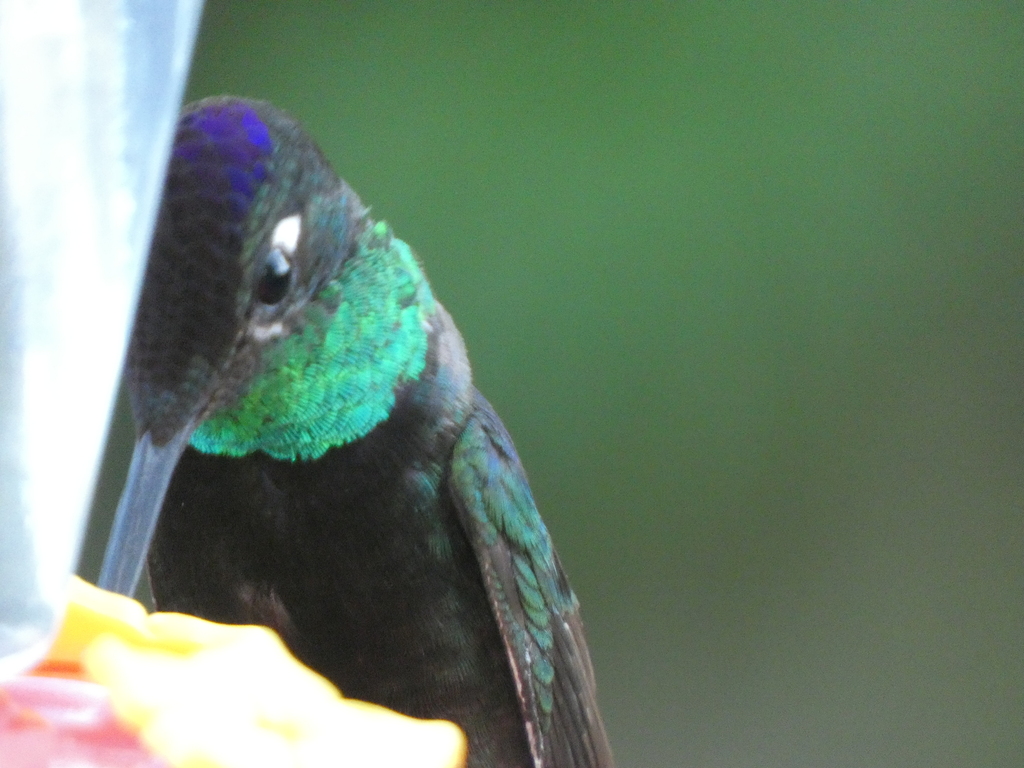
The Santa Rita Mountains also rise up to 9,500 feet in the Mount Wrightson Wilderness in the Coronado National Forest. The steep mountain trails also boast a wide variety of wildlife. Trogans, tanagers, and high altitude warblers, as well as ring tails, coati, bears, and and until 2011, a Jaguar call the Santa Ritas home. This is a special place to be at night at the forest is alive with many night time birds. Also and a variety of bats frequent the hummingbird feeders.
Mount Lemmon – Arizona
Like the Sierras in California, there are many campgrounds and trails offering respite from the heat of the valley floor. Additionally, there a great many cabins and summer getaway homes dotting the ridge line. At the top, there is a ski resort for the winter.
Don’t miss
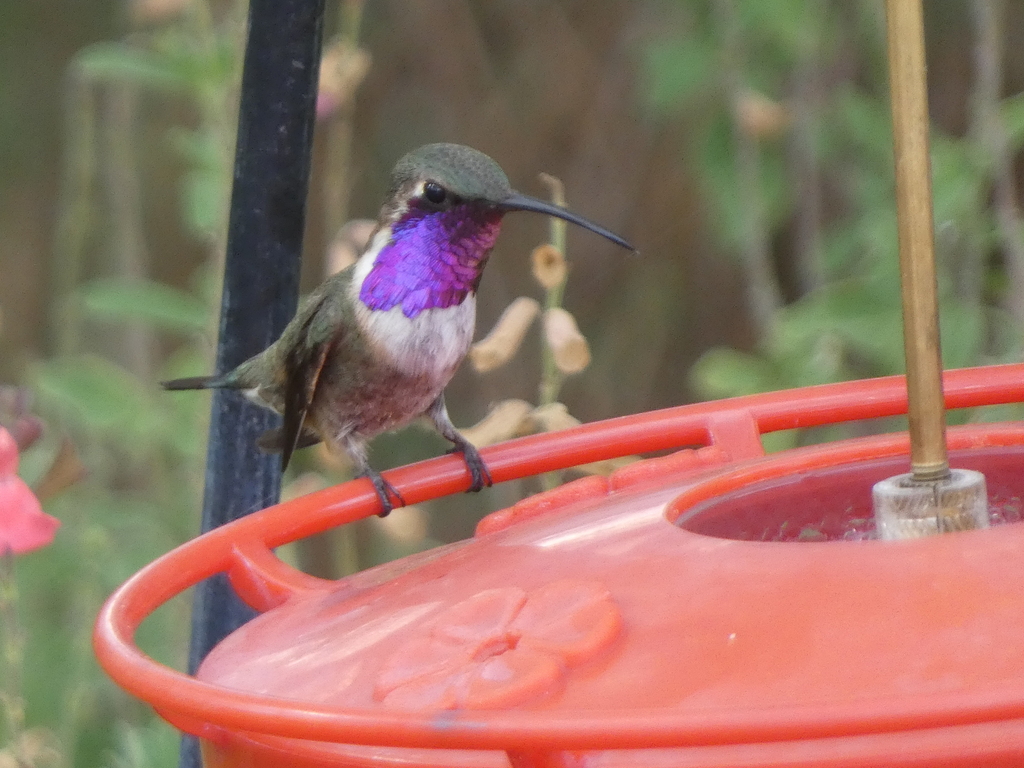
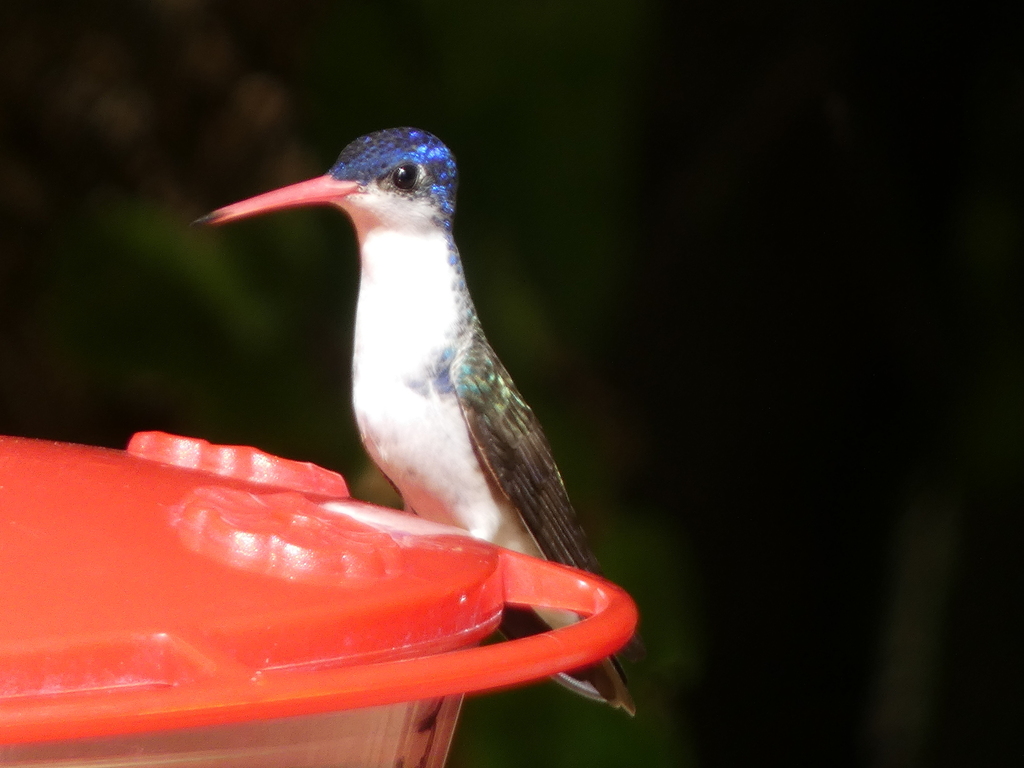
Many people have backyard feeders. However, in this region of the country back yard feeders take on a whole new level. Multiple feeders with different seed, suet, and hummingbird feeders, and specialty plants to attract wildlife. Interestingly, sometimes these places started as backyard hobbies as is the case with the Ash Canyon Bird Sanctuary. Mary Jo Ballator started inviting people to her back yard in 2002. When she died, local community organizations purchased the land now keep it open to the public. Similarly, Jasper’s old house near Portal started as a back yard endeavor. Even though he sold the property, the new owners continue the tradition by allowing birders from all over come and see some of the unique species that visit their yard. There are several other places open to the public to get a close experience with some of the bird diversity in the southwest:
Patton center for hummingbirds
One last word about driving in this area. If it’s not the heat, its the sudden and torrential rain. If it’s not the rain, its the flash floods and debris spread over dips in the roadways. If not that, then its the Haboobs (dust storms). Even though the roads are straight and go on for miles, climactic conditions in the summer really put me on my toes.
 Epic Odyssey