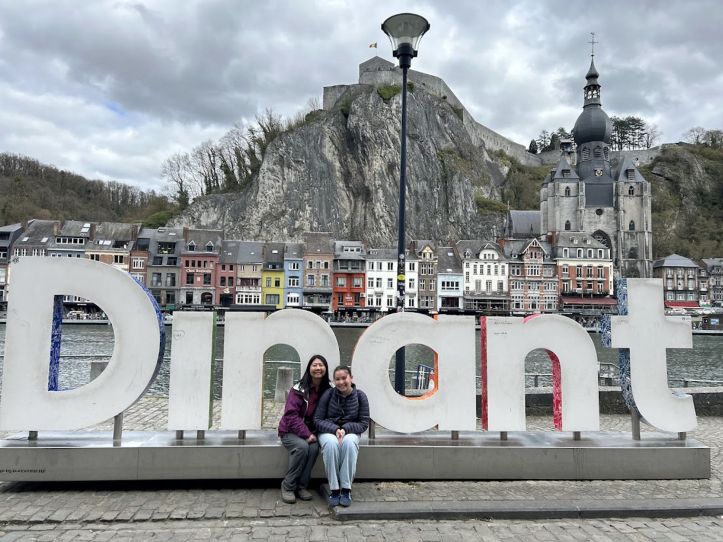
Dinat, a quaint little town, two hours away from Brussels is a quiet and sleepy town. The three main attractions – the Collegiate Church of Our Lady, the Citadel, and the birthplace of Adolf Sax (invented the saxophone!) took us only about three hours to explore. The town itself is only about 2 blocks in width and 1 mile in length. However, stepping off the train, we are greeted with the Meuse River, several decorative saxophones, and the most stunning church and backdrop I’ve ever seen.
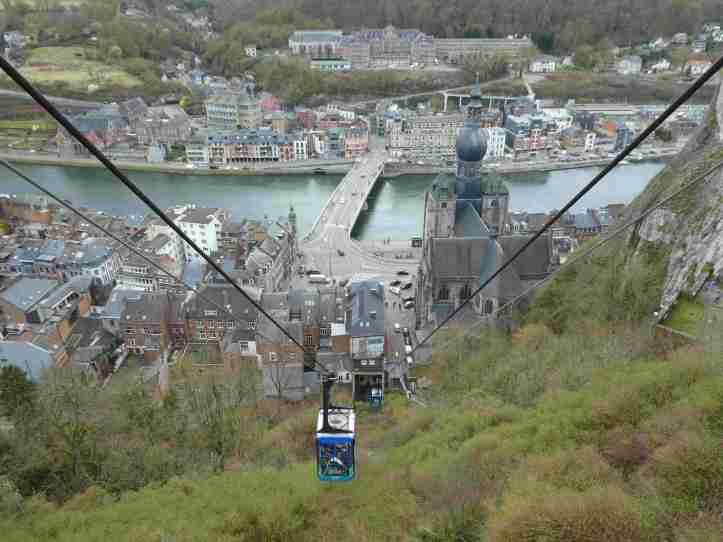
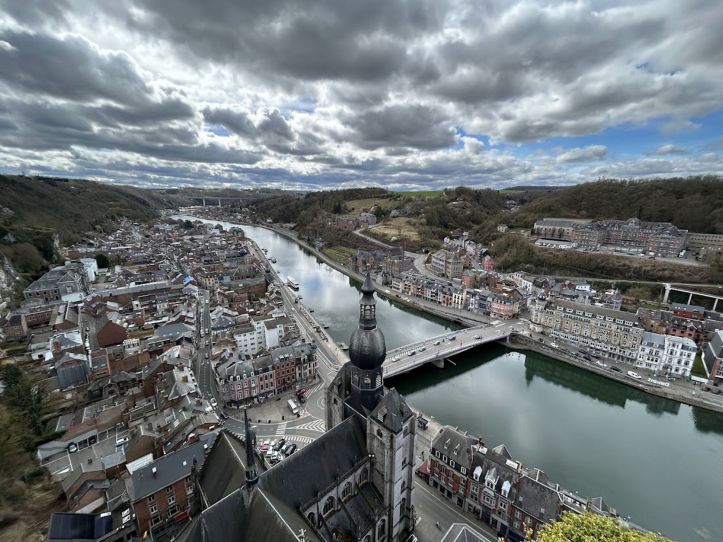
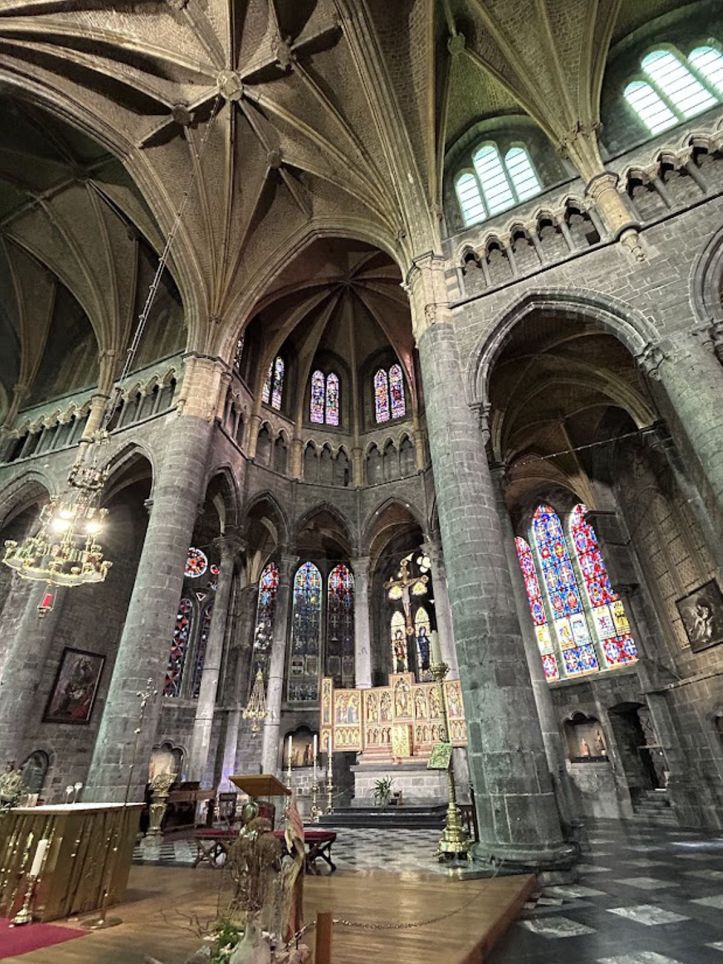
The sunshine casted rays through the spires of the church, reflecting off the water to create the most tranquil and beautiful site. Directly above the church, the citadel looked over the city. The inside of the church was much more moody than the others. With a dark interior and the citadel casting a shadow, the stained glass windows let in little light. I maintain that I am not religious, but the sheer grandness and achievement it took to build something like this church really made me understand how some people give their lives up for God.

To get up to the citadel, we could either walk up 500 stairs or take a gondola. We opted to take the gondola, only because the price was the same. The citadel was built in 1815 as a fortress to protect the popular trade stop. But it’s main use was during WW1 when the French army used the citadel as an army base to defend Dinat, the main city before France, from the Germans during their invasion of Belgium and Europe. The citadel had artifacts and models of barracks, real canons, old guns, and plaques with information of the battles incurred in Dinat.

The museum recounts a particularly gruesome day marking the end of the Battle of Dinat. The French finally lost and the Germans went on to massacre 674 civilians that failed to evacuate in time. The oldest victim was 88 and the youngest less than a year. Over 2/3rds of Dinat’s buildings were burned. A rolling slide replayed the names and ages of all the known victims.
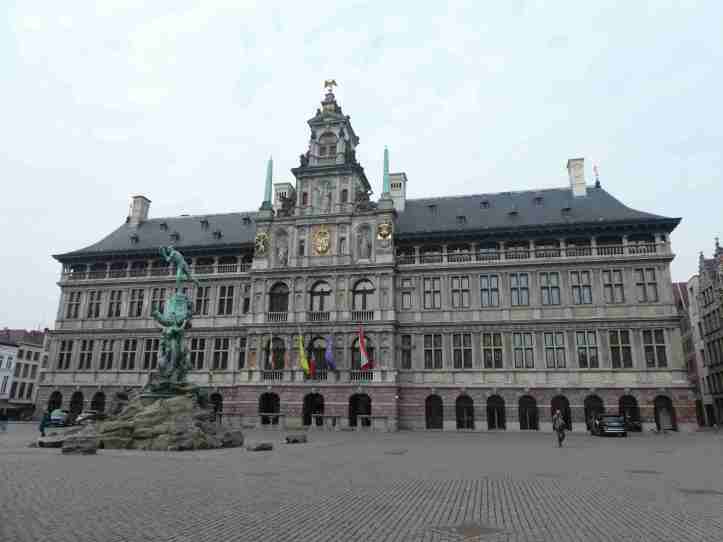
The following day, we took a train to Antwerp, a city similar but slightly smaller to Ghent and Brussels. Known for their grand train station, Antwerp is a pretty chill city with more city squares, elaborate buildings, and decorative gothic churches amidst 21st century architecture. The square has the original city halls, still utilized today. The grandeur of these buildings still amazed me after seeing it several times in every other city we went to.


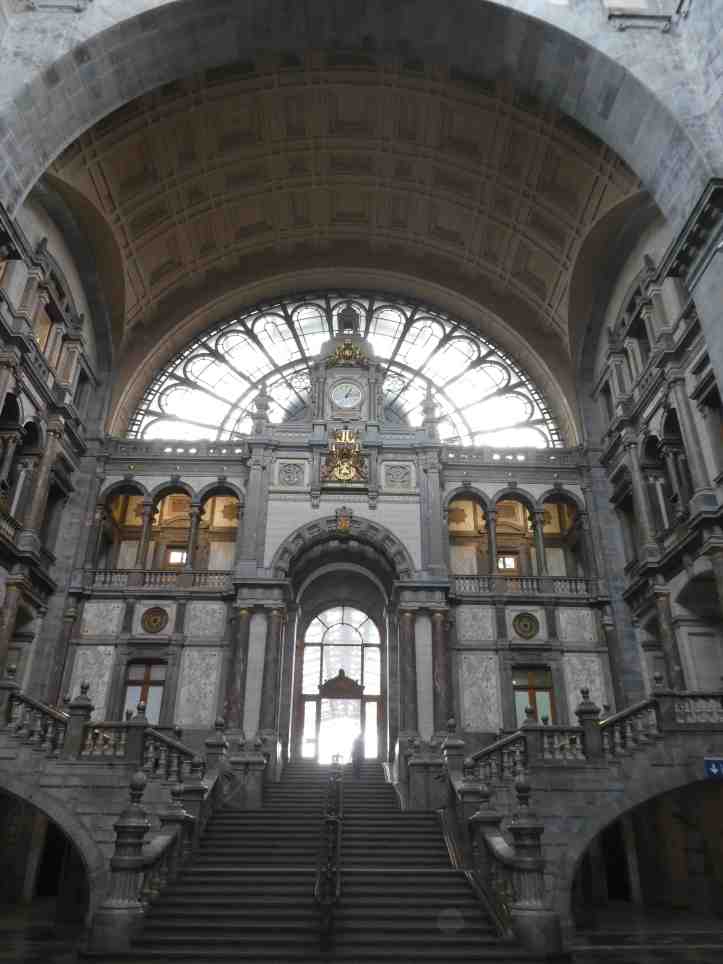
The Antwerp Central Station is one of the most important hubs in Belgium. Constructed in the 1890s, the station doesn’t even look the part. With high arched ceilings, decorative walls and artful stonework, the train station looked like it should’ve been a fancy government building. It’s expanded to over 5 levels of rail to accommodate the amount of commuters it takes a day. Picture

 Epic Odyssey