Getting Lost in the bayou
I drove onwards, deeper into the south looking to experience the bayous of Louisiana. To me, that meant the Atchafalaya National Wildlife Refuge. It was a full day drive from the Talladega National Forest to the visitor center off interstate 10 in Atchafalaya. After booking a “swamp tour” for the next day, I had 2 hours of daylight left, so I thought I’d hit some trails. Not having much time, I decided to drive down the dirt road to the Indian Bayou Trail. It looked like an easy one mile horseshoe shaped trail. I parked and headed out. Hot but shaded, the wide path was full of all shades of green. Giant Golden Silk spiders lined the path.

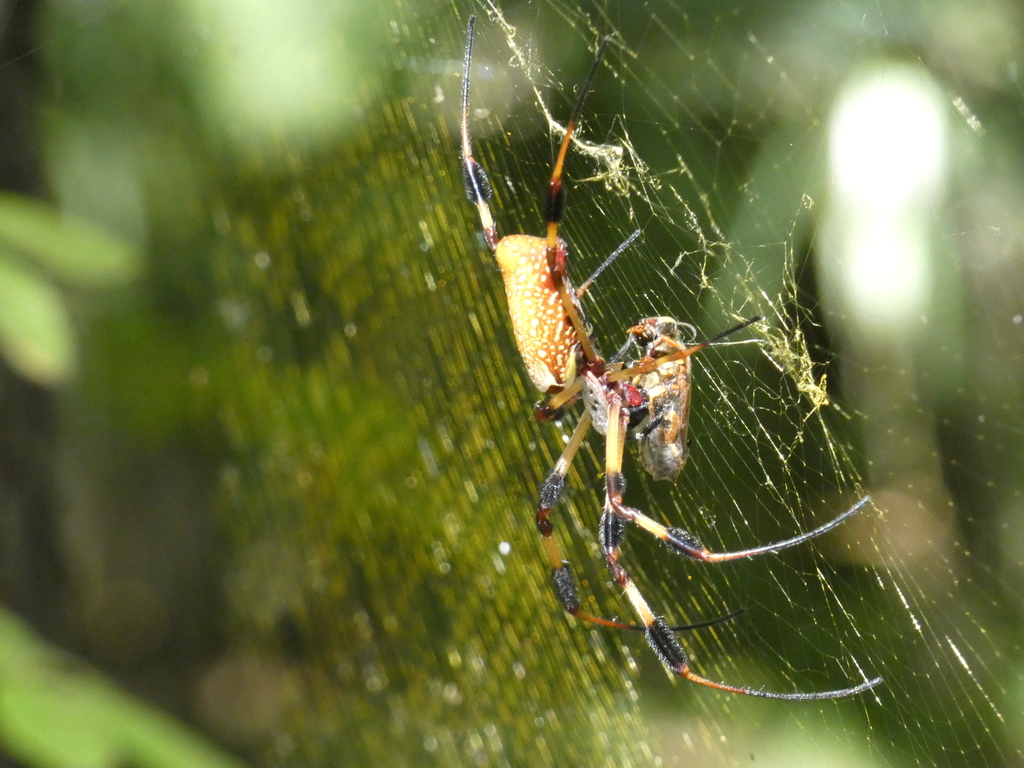
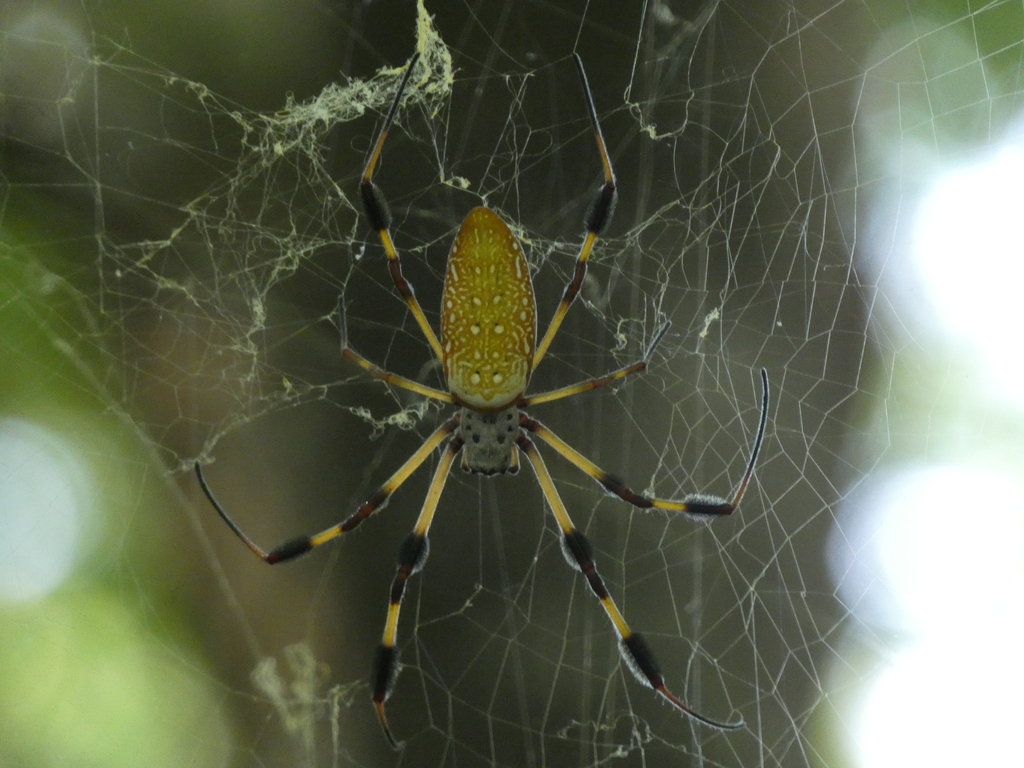
Long canals and wide swarths of land (under which pipelines lay) overgrown with green life thick with insects, birds, and other creepy crawlies were everywhere. At one point I came to fork. Left or straight. I took a few snaps of the canal keeping my eyes peeled for gators. The left path was overgrown and the path ahead was lightly graveled and quite clear.
I looked at my map and at this junction my map told me to turn right (moving from the left end of the horseshoe to the other). I continued, even though it was straight and not right. There was no traffic, no civilization sounds, just wildness. I continue on enjoying the woodpeckers, the warblers, and buntings. Kites flew overhead and hum of the insects grew louder. Time slipped by and sun got low and I was now certain I had walked far more than the 1-2 mile trail. The path had veered right, but now the main path went left and a small overgrown path went off to the right. I looked at my map again and concluded I was not where I thought I was. With nearly 30 minutes of light left, I turned right and plunged myself trough overgrown grass, spider webs, swampy muck. I tried not to think about the snakes, ticks, and other bitey things crawling on my legs and arms. I hustled through this a broke out onto a dirt road, picked the ticks off, brushed the spiders away, squished the bugs, picked the webs away from my face and arms, and walked another mile or so down the dirt road to find my car. Flocks of egrets, ibis, herons, and storks flew overhead towards roosts. (Apparently, I had thought I had started on the left side of the horseshoe path, when in fact I had started on the right side and kept veering right into something else). Drenched with sweat and out of water, I was happy to make it back to the car. I drove in search of a campground, but it was too dark. I ended up parking roadside on the dirt road in the basin and feel asleep thinking about how many different ways the afternoon could have ended.
A wander in the Atchafalaya Basin
I awoke in the predawn hours and took what I believed to be a road into the basin (It was actually an ATV path). My headlights only illuminated a brief way ahead and penetrated nothing of the wall of vegetation to either side. It was narrow and I had to periodically stop to move branches from the road. Eventually the road ended with a barricade. I got out and listened for a bit. Several owls hooted from above. Between hoots other insect noise filled the air. I debated briefly continuing on foot; however given last nights escapade I returned into the van and back up for nearly a mile until I could find a suitable place to turn around. I drove further up the road until I found the original road I wanted. I headed deep into the center of the basin. I only had two hours until my tour, so I took in as much as possible. I watched kingfishers and kites hunting, ibis, herons, egrets, storks, and anhinga leaving their roosts and starting their day forging. Gators skulked up and down the river’s edges looking for easy prey. A watched an armadillo forge for several minutes. The basin is designated as an internationally recognized important species refuge and from this vantage point I could see why. It would have been great to spend another few hours here, but I was excited for the swamp tour.
A swamp tour
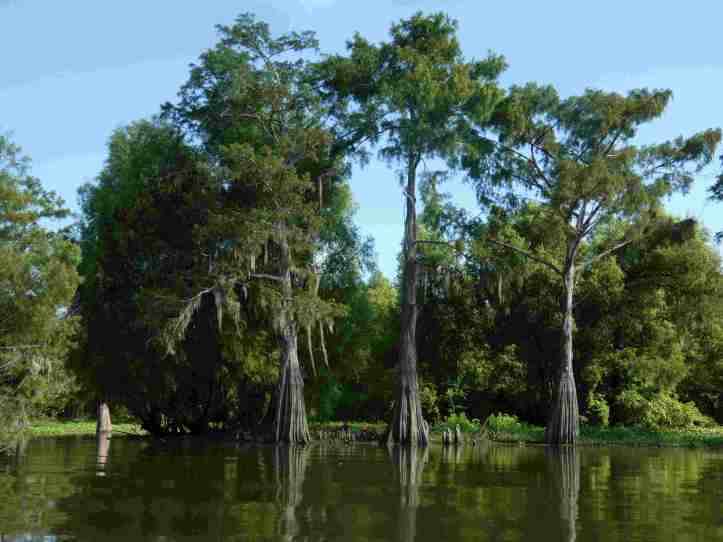
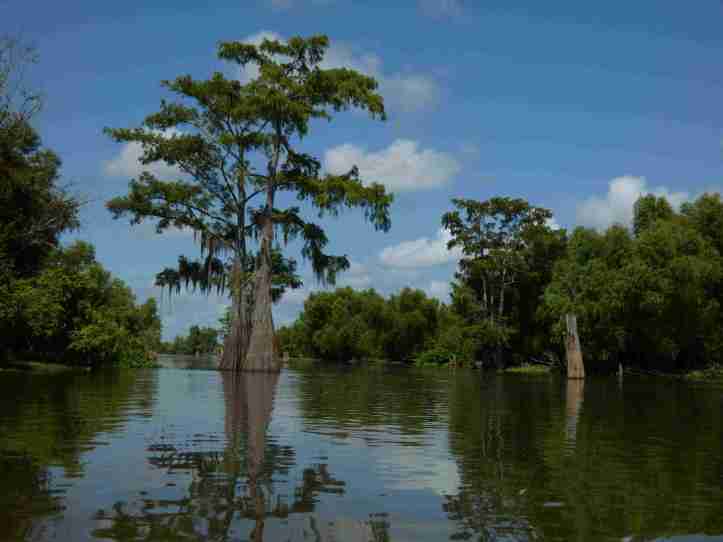
When booking a tour last minute you have to be happy with what you get. I was the last seat in a group of five travelers from France. We were all snug in his single engine boat as he weaved up and down the various canals and waterways. The guide spoke Cajun French. Luckily, he pause every once-in-a-while and say a few sentences in English for me. He grew up in the basin, as did his father. He shared the history of the area while pointing out some of the local wildlife. It was only two hours, I wish it could have been four.
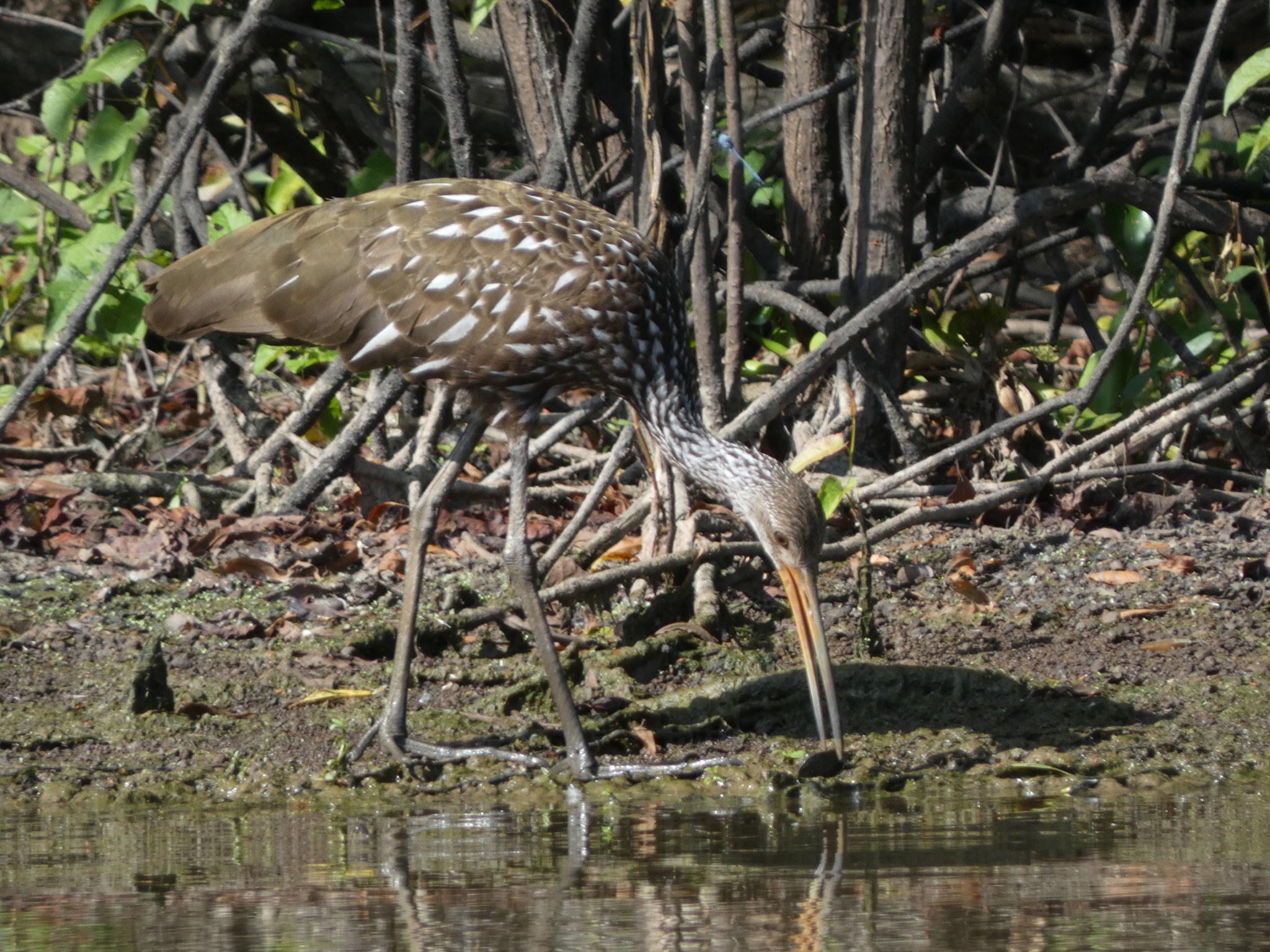
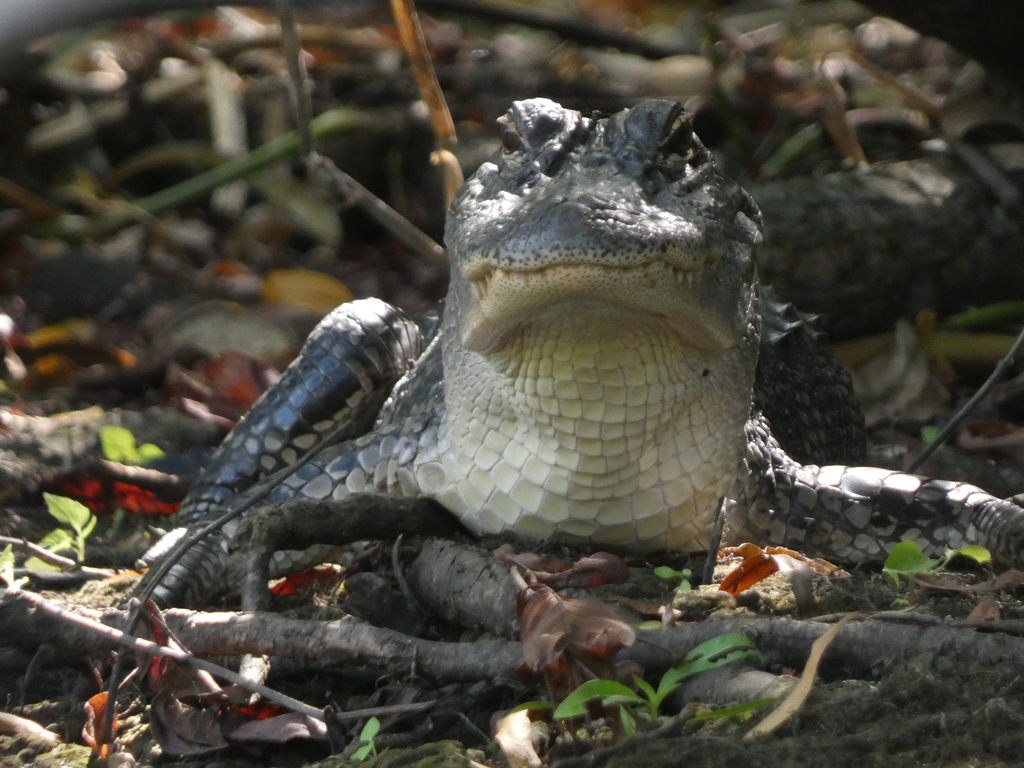


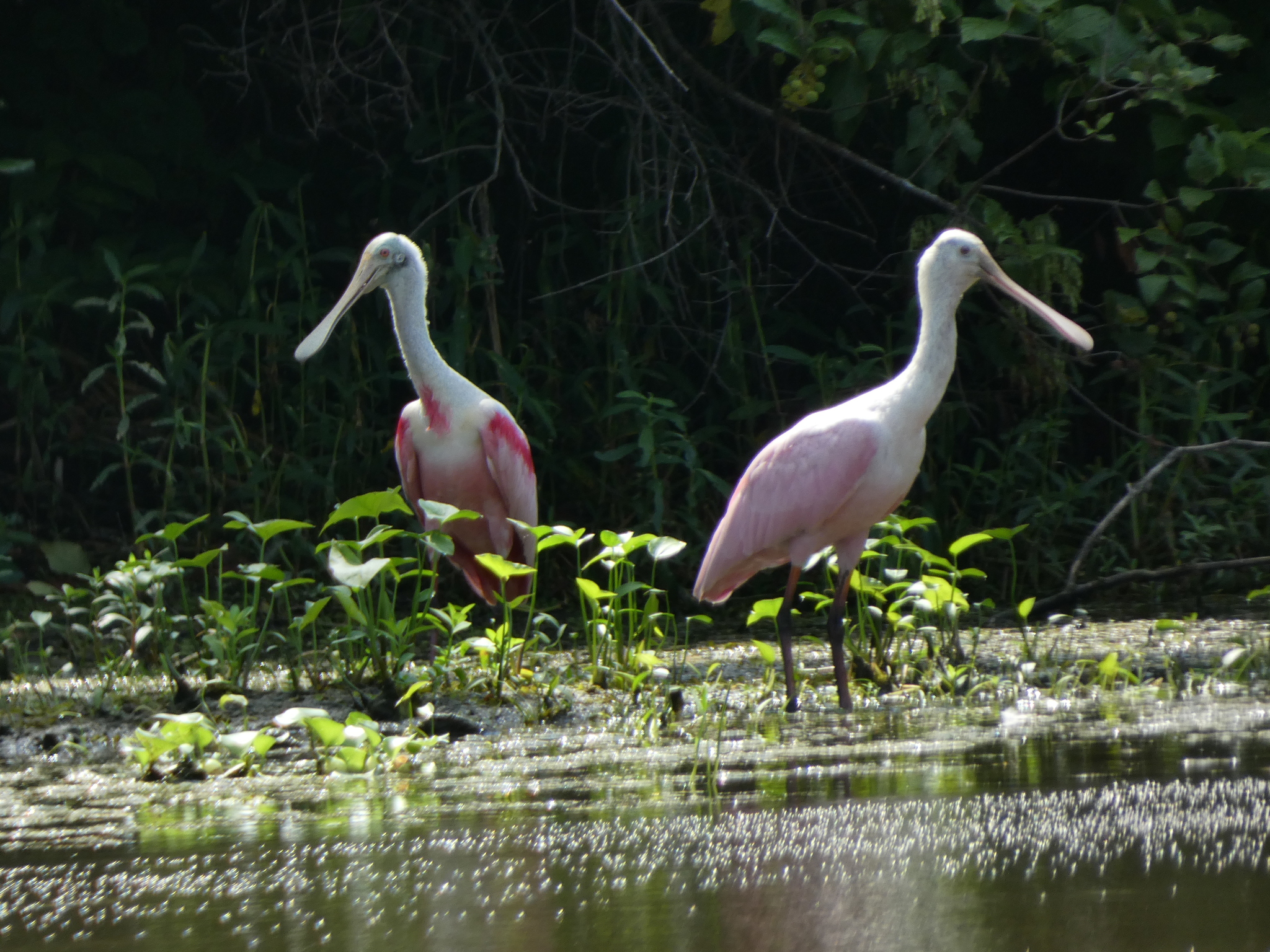
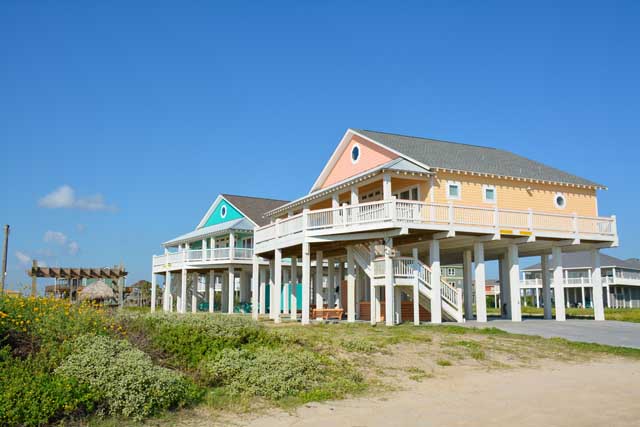
I wanted to hit Texas by sundown, but I also wanted to see several more reserves. I stopped by several locations in the Sabine National Wildlife Refuge, but midday head kept most wildlife at bay. The roads were flat and long with ubiquitous views of the oil-gas industry with the sun getting low I finally hit Bolivar Flats. Driving along the gulf peninsula and especially on the Bolivar Peninsula most houses were elevated. Instead of just not rebuilding there, they seemed to resigned to perpetual flooding and storm surges and that this was the best way to handle it. It seemed quite the party town. Hoards of people crowding the beach. Kids riding in golf carts and ATVs and booze everywhere.
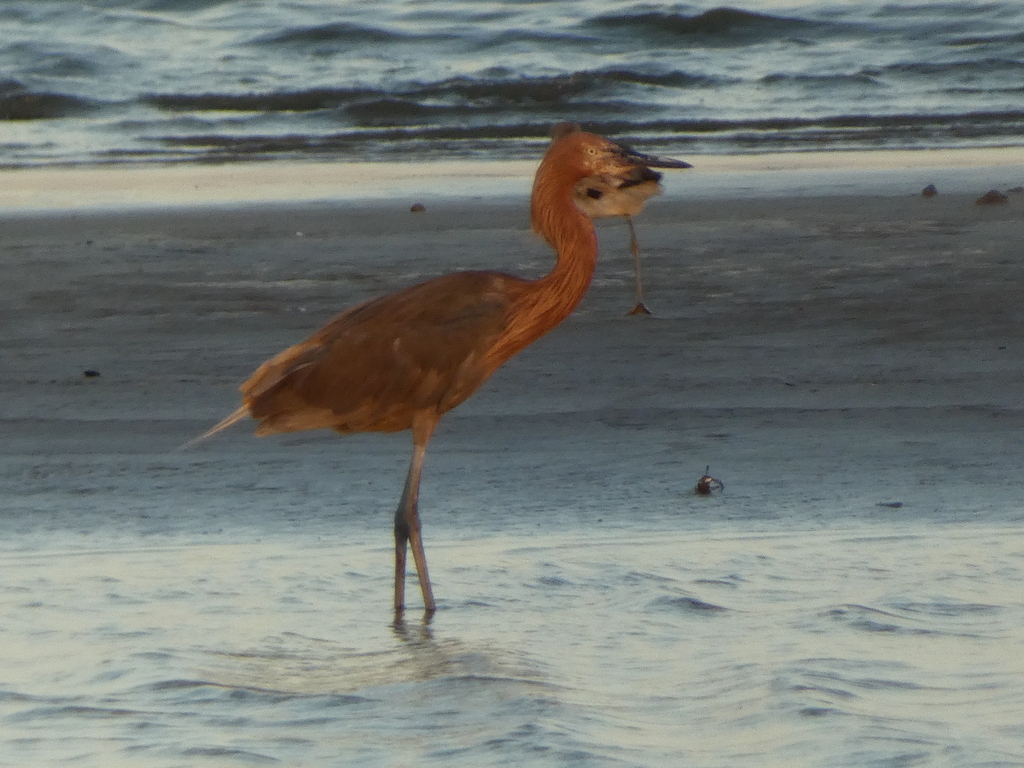
At the very end is a bird sanctuary. At sunset I was just in time to catch a red egret, yellow crowned night heron, and several other uncommon species.
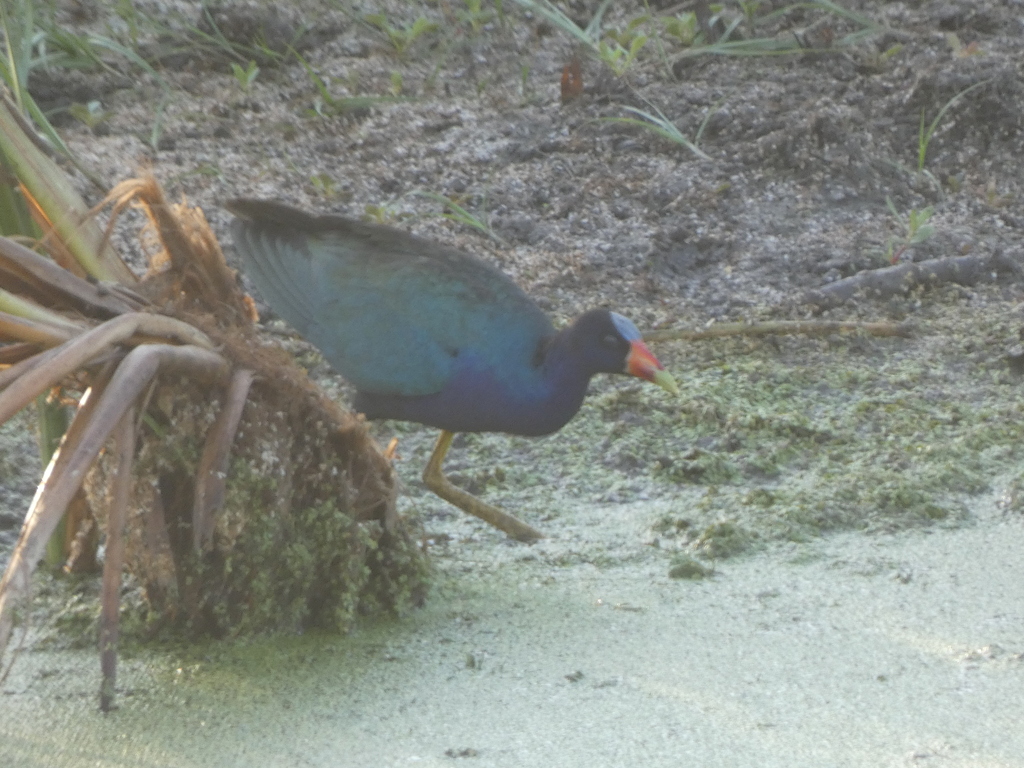
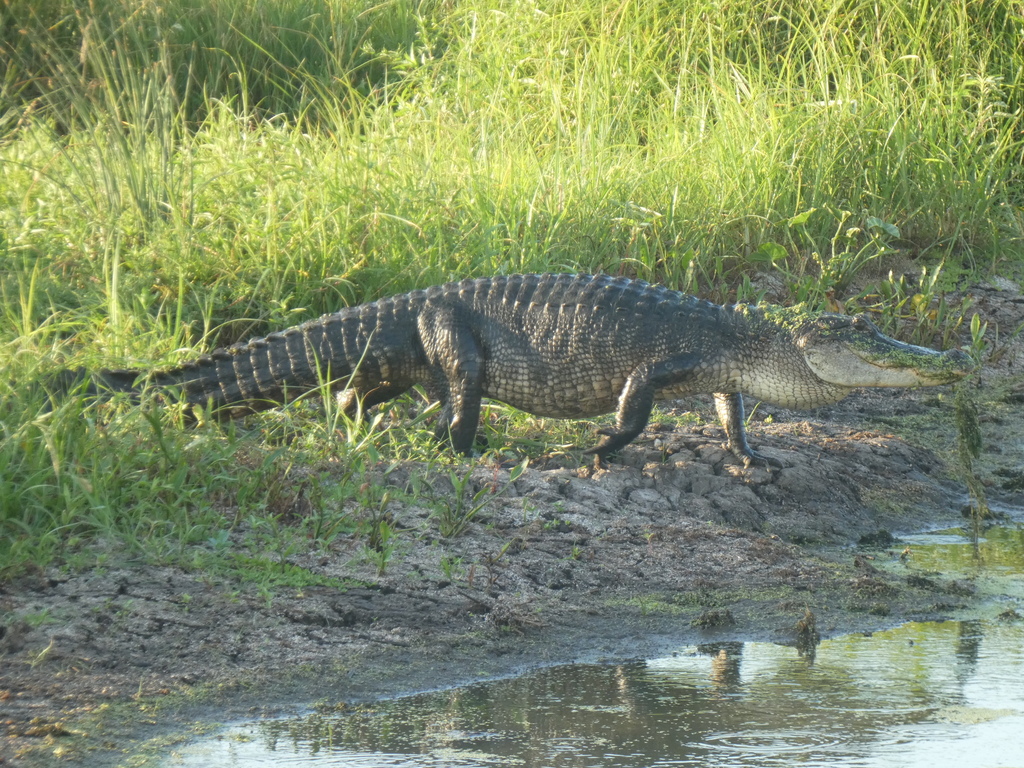
The next morning, Anahuac National Wildlife Refuge was the target. Rich in wildlife I counted nearly 50 gators (and those were ones I could see). Little ones, big ones, and everything in between. Gallinules, stilts, terns, gulls, whistling ducks, herons, and bitterns all with juveniles dotted the reeds and waterways.

 Epic Odyssey