The Rust Belt
When crossing the Mississippi River several changes caught my eye. The landscape became more green – rather a darker shade of green, the foliage more lush. more dense population, and less elbow room (School House Rock Flashback). The radio programs changed as well. While still a healthy amount of country music and public radio, there were more religious program’s and talk radio shows. “….And if you follow god and trust me you call me right now and work with me to invest in gold.” After listening to a few minutes of audio evangelism, periodic promotions for products that to my ear sounded like transparent and shameless self-enrichment schemes. Not all programs were like that, but a few were. Some of talk and interview programs were laden subtle and not-so subtle inuendo of race-based politics and the lack of virtue some “races” possessed.
Many of the National Parks in the West focus on grand landscapes and historical monuments. The Cuyahoga Valley National Park had been a hotbed of human activity for centuries. For centuries the Wyandot, Iroquois, Ottawa, Objibwe, Munsee, Potawatomi, Miami, Catawba, Shawnee, Lenape, and Delaware nations and indigenous people used and traversed the land here. There had been consistent efforts to maintain open space in the area since the early 1900s, however, industry and the demands of the industrial revolution took a high price on the area resulting in a polluted river and contaminated soil. In 1987 (13 years after being designated a National Recreation Area) clean up began in earnest, with 337,000,000 kg of contaminated soils removed and restoration completed by 2015. (Citation) Additionally many years were spend cleaning up the Cuyahoga river which burned more than 10 times in the early 1900s (Citation). In other words, what made this National Park different was a testament to how we can be good stewards of the land in spite of past sins. Today you can read informational placards about the mills, the train, the locks, but families swim in the river and Beaver Swamp are models of restoration. Small communities intersperse the central drive through the park and there are many options on stopping to get a local pie, or some locally grown fruit and vegetables.
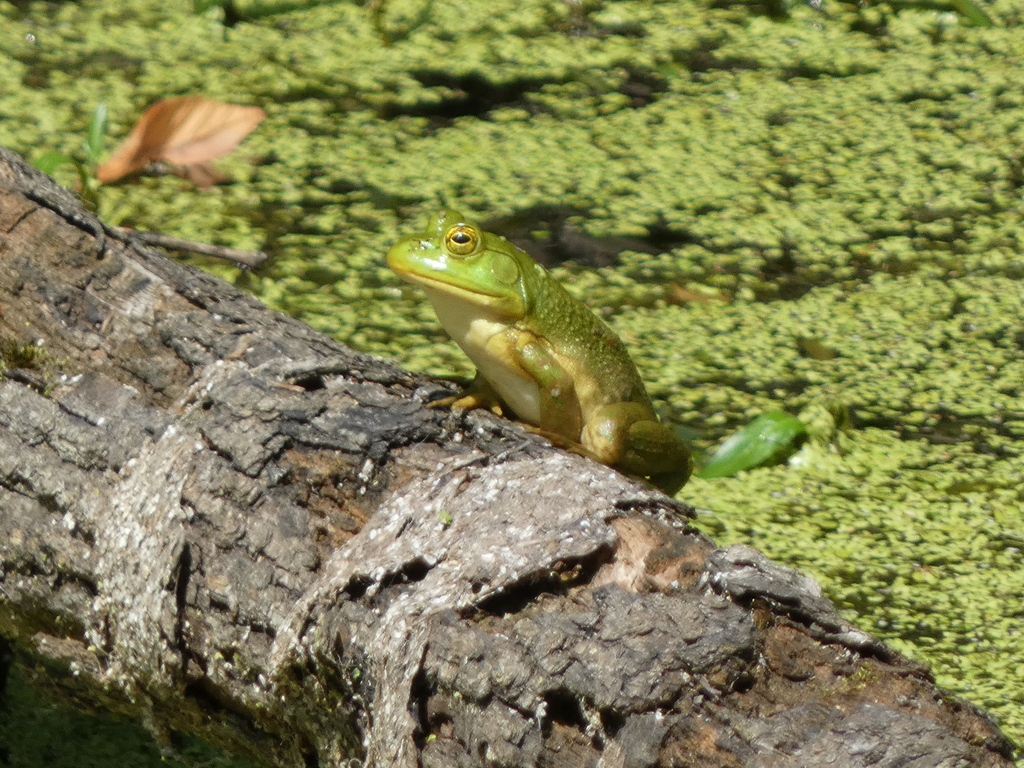 American Bullfrog – Beaver Swamp Cuyahoga Valley National Park
 Snapping Turtle – Beaver Swamp Cuyahoga Valley National Park
 Painted Turtle – Beaver Swamp Cuyahoga Valley National Park
 Wood Ducking surfing pond scum. Beaver Swamp Cuyahoga Valley National Park
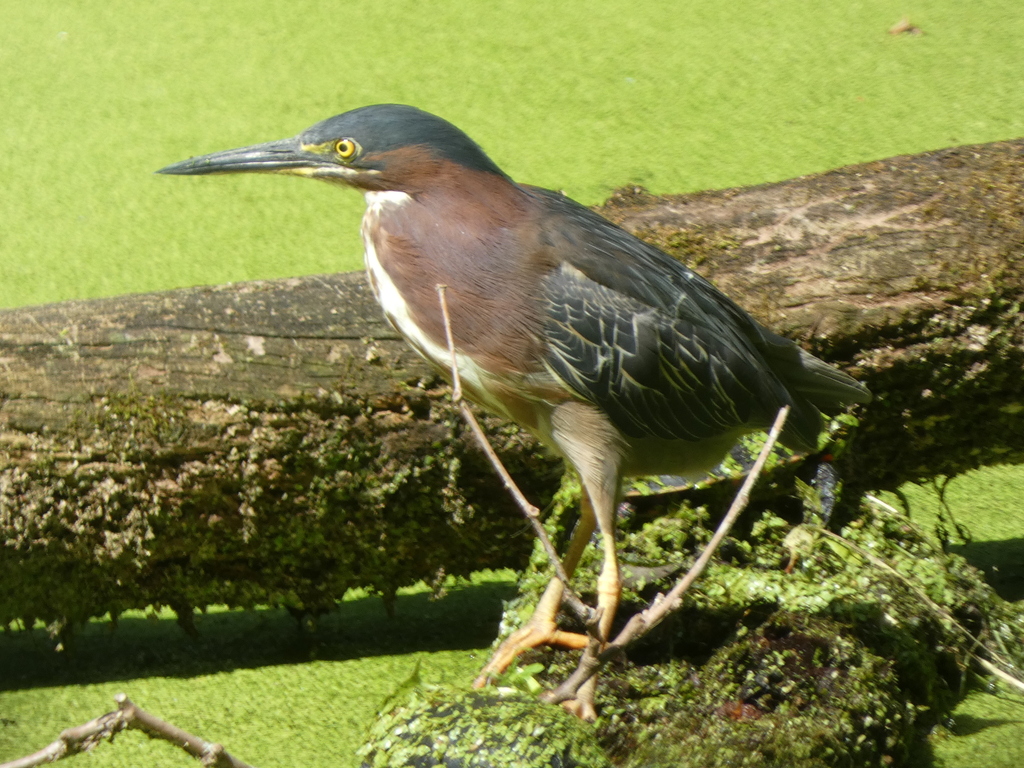 Green Heron – Beaver Swamp Cuyahoga Valley National Park
Finding places to sleep were more difficult in this area. A dirt road into a cornfield here, a lakeside park there, a boat ramp to a river, even a state park. In all places from Missouri to Pennsylvania when dusk came so did the fireflies. Though called lightening bugs, their path was more like slow stream meander though air, flickering on, then off, then on again. Darting in between corn rows, where the grass meets forest, in the willows, and tall grasses they amused me more than a fireworks display.
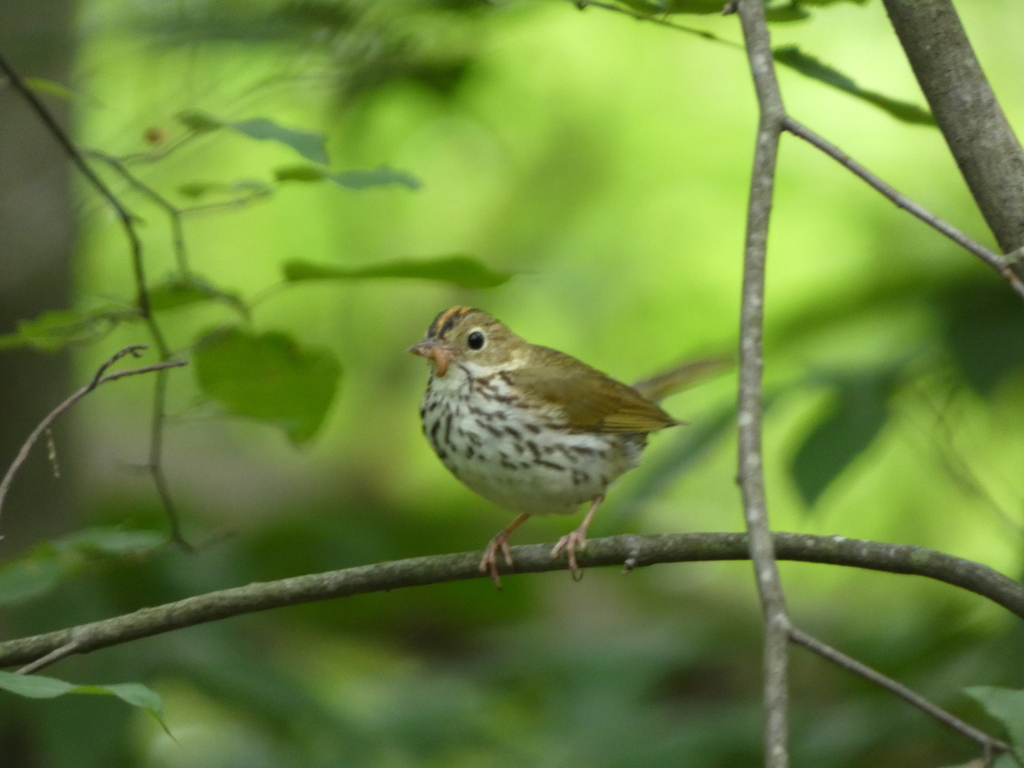 Oven Bird – Erie National Wildlife Refuge
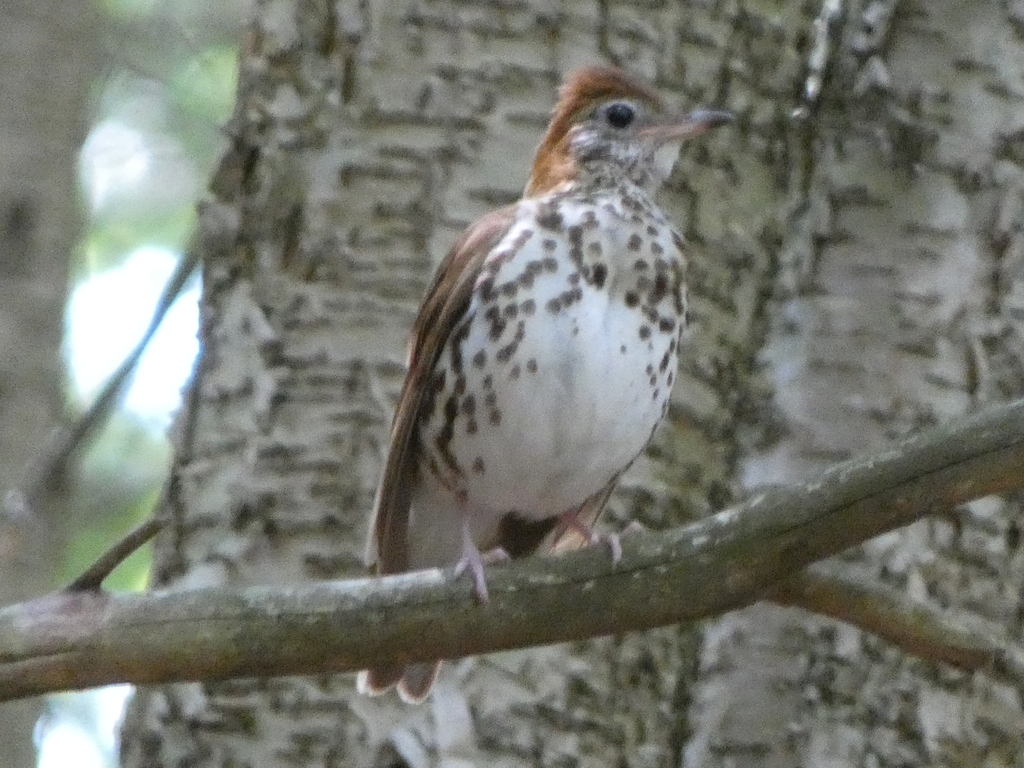 Wood thrush – Erie National Wildlife Refuge
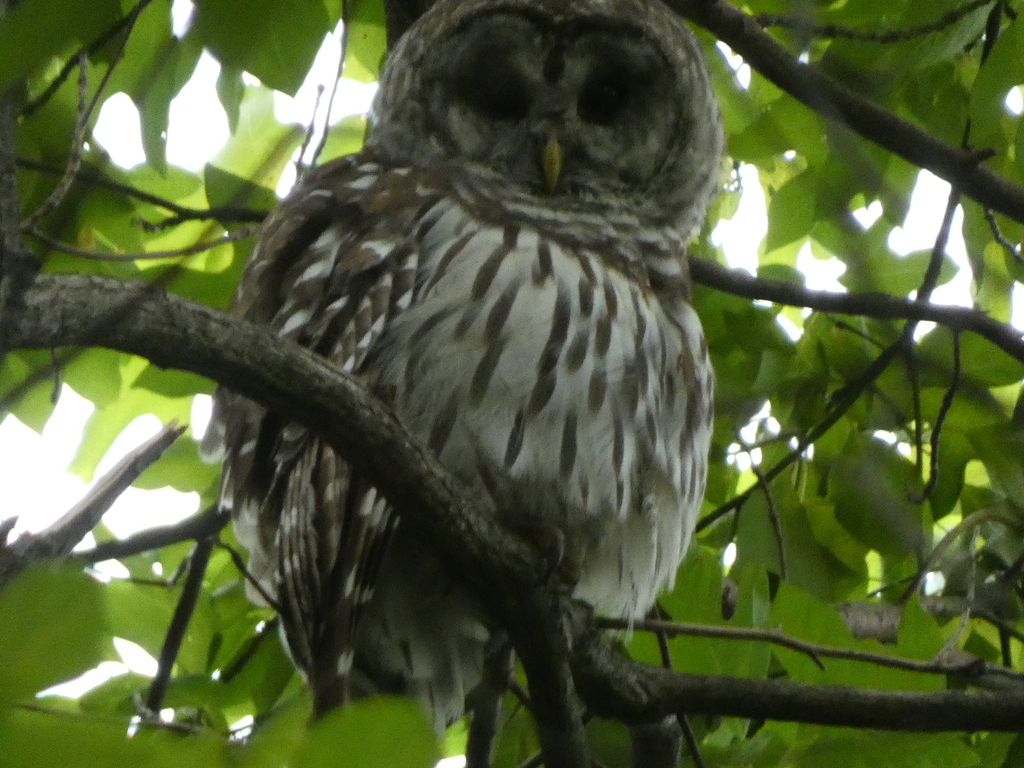 Barred Owl – Hazlet State Park
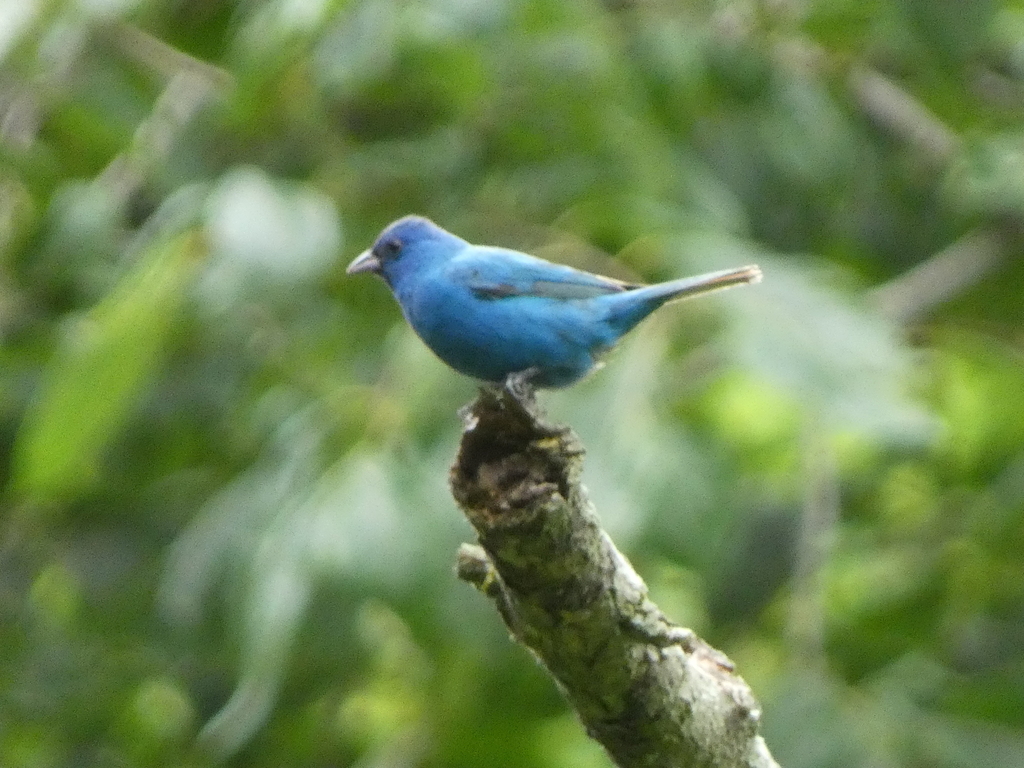 Indigo Bunting – Newton Lake
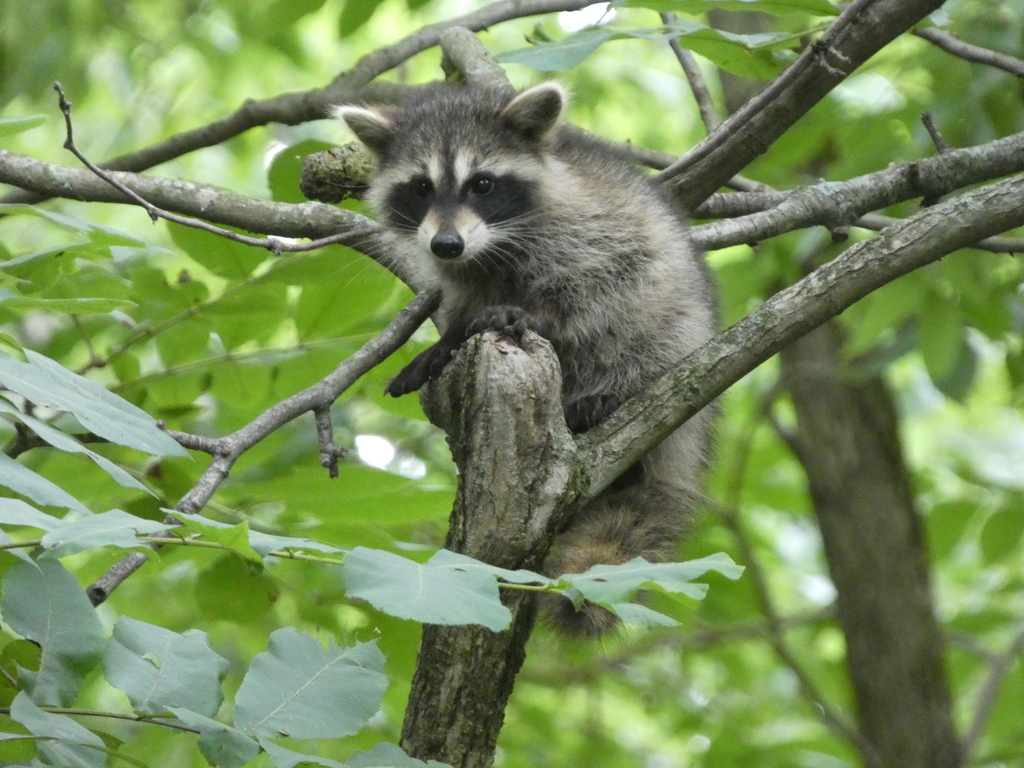 I accidentally treed the baby raccoon in Hazlet State Park. It picked the wrong tree to climb as the top of the tree was only eight feet high.
Erie National Wildlife Refuge provided a different refuge than the those I visited. Full of coniferous forests and lakes. Trees full of red-bellied and red-headed woodpeckers, vireos, and warblers were both nesting ground, and playground for many hatchlings. Why a National Wildlife Refuge in Crawford County? According the informational placards, much of the land was gifted to Union and Revolutionary soldiers for their service. However the land was “untamable”. While some some persevered, others abandoned it and moved on. In 1959 the lands were purchased and cobbled together to make the refuge what it is today.
I had planned to camp near Buzzard Swamp in the Allegany National Forest, but an escaped inmate in the area (The escaped inmate)prevented that. Deputies stated under no circumstances was I to tent or car camp in the area. I did manage to walk around the swamp. Signs everywhere read: “Wildlife Propagation Area”. Geese, wood ducks, and dozens of other birds wallowed in the evaporating marsh without fear.


 Epic Odyssey